Scott Rusnak: Why EOS Life Is About More Than Business Success
In this week’s episode of Better Business, Better Life, Debra Chantry-Taylor welcomes back Scott Rusnak, EOS Implementer, author and cyclist, for an inspiring conversation on designing a life that truly aligns with your values.


In this week’s episode of Better Business, Better Life, Debra Chantry-Taylor welcomes back Scott Rusnak, EOS Implementer, author and cyclist, for an inspiring conversation on designing a life that truly aligns with your values.
Drawing from his new book, Who is the Architect of Your Own Life, Scott shares practical exercises to help you achieve clarity, purpose and balance. He uses his signature analogy of juggling life’s “balls” such as business, family, health and faith to illustrate how to prioritise what matters most without dropping the ones that cannot bounce back.
Together, Debra and Scott explore how EOS tools and strong core values can guide your business decisions and also support your personal growth. They discuss the importance of planning intentional time with loved ones, maintaining daily health habits and surrounding yourself with supportive people.
With plenty of warmth and wisdom, this episode is a reminder that true success is not just about business wins. It is about living deliberately, loving fully and designing your life on purpose.
CONNECT WITH DEBRA: ___________________________________________
►Debra Chantry-Taylor is a Certified EOS Implementer | Entrepreneurial Leadership & Business Coach | Business Owner
►Connect with Debra: debra@businessaction.com.au
►See how she can help you: https://businessaction.co.nz/ ►Claim Your Free E-Book: https://www.businessaction.co.nz/free-e-book/ ___________________________________________
GUESTS DETAILS:
►Scott Rusnak – LinkedIn
►Scott Rusnak – Website
Episode 248 Chapters:
00:00 – Introduction
00:38 – EOS Life and Importance of People
05:45 – Scott Rusnak’s Journey and Insights
07:05 – Balancing Business and Personal Life
11:04 – EOS Implementation and Core Values
18:02 – Core Values and Business Success
29:04 – Planning and Clarity Breaks
32:15 – Scott’s Book and Personal Stories
39:28 – Final Thoughts and Future Plans
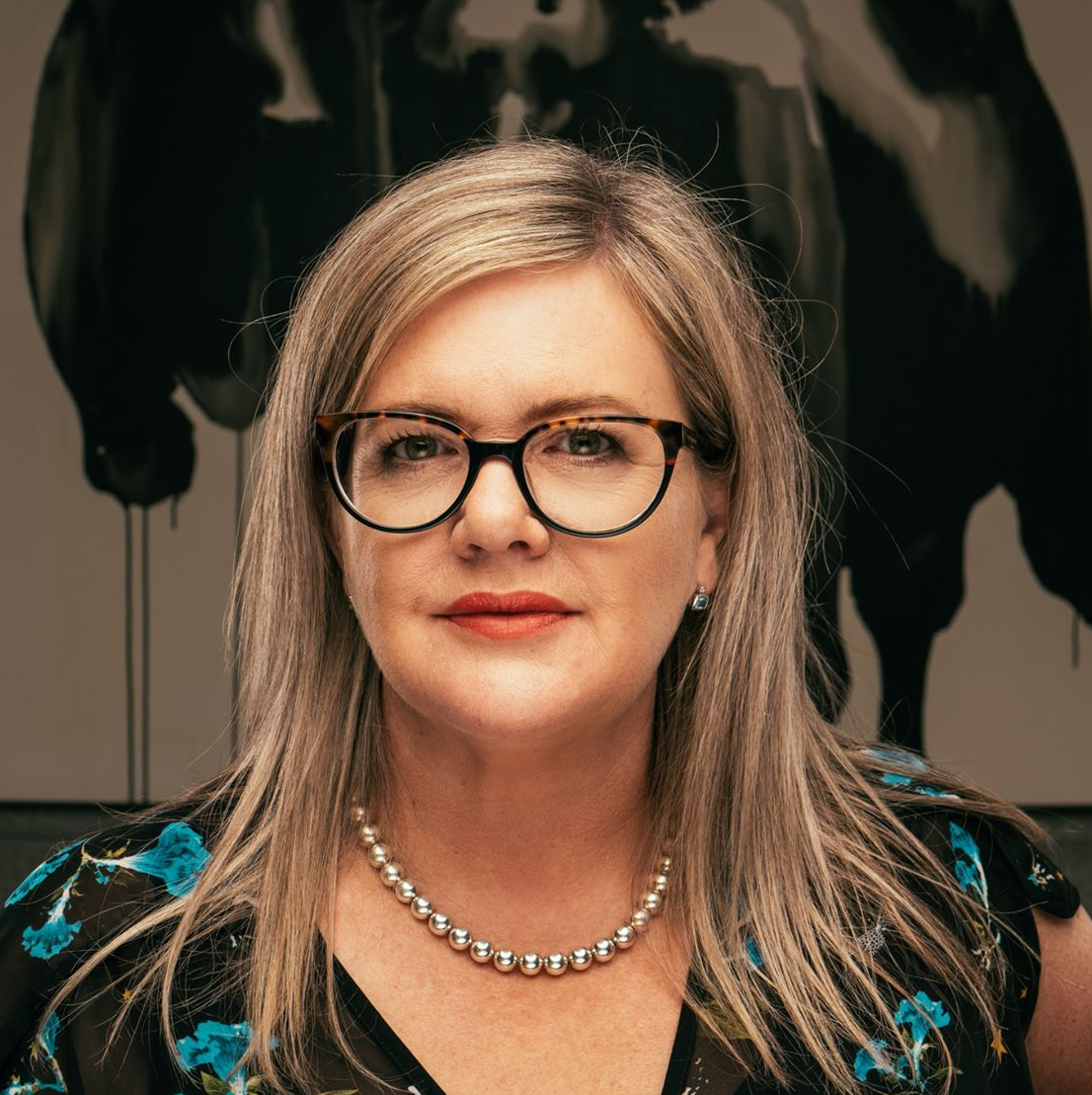
She is based in New Zealand but works with companies around the world.
Her passion is helping Entrepreneurs live their ideal lives & she works with entrepreneurial business owners & their leadership teams to implement EOS (The Entrepreneurial Operating System), helping them strengthen their businesses so that they can live the EOS Life:
- Doing what you love
- With people you love
- Making a huge difference in the world
- Bing compensated appropriately
- With time for other passions
She works with businesses that have 20-250 staff that are privately owned, are looking for growth & may feel that they have hit the ceiling.
Her speciality is uncovering issues & dealing with the elephants in the room in family businesses & professional services (Lawyers, Advertising Agencies, Wealth Managers, Architects, Accountants, Consultants, engineers, Logistics, IT, MSPs etc) - any business that has multiple shareholders & interests & therefore a potentially higher level of complexity.
Let’s work together to solve root problems, lead more effectively & gain Traction® in your business through a simple, proven operating system.
Find out more here - https://www.eosworldwide.com/debra-chantry-taylor
Scott Rusnak 00:00
If you can envision your future and realise it's going to be better than the past, and have really cool things to do, hang out with people you love working with, that's kind of the EOS life. If you're saying you don't have time for that and or I'm too important for that, you've just told me your friends, your family, the most important people in your life, aren't that important. It doesn't matter how big or how small you are. You've got to make sure that you've got your year designed with the most important people. Whatever your enterprise is, you're actually not in that enterprise. You're in the people business. So you better make sure you got the right people.
Debra Chantry-Taylor 00:38
Welcome to another episode of Better Business, Better Life. I'm your host, Debra Chantry-Taylor, and I'm passionate about helping entrepreneurs lead their best life ever. I'm a certified EOS implementer, a family business advisor and also leadership coach. And I work with business owners and their leadership teams to put in place a set of simple, pragmatic tools called the Entrepreneurial Operating System that just helps them to run a better business so they can create a better life. Today's guest has been on the show a few times now. He is one of my heroes. He has certainly fundamentally changed the way that I approach both business and life, and he is going to share with us today some of the things that he has learned in his 60 years on this planet. He is an expert EOS implementer. He's an absolute mad keen cyclist. And also he has written several books. The latest one is about how to become the architect of your own life. So today, he is going to share with us how we can juggle all these things in life as an entrepreneur, our family, our health, our faith and our business, without dropping any of the balls and without creating absolute havoc. He's going to talk about his new book, which is who is the architect of your own life, and also some stories from his clients that will really help you understand how this works across multiple businesses. Scott Rusnak is an expert EOS implementer. Welcome to the show, Scott. So welcome back to the show, Scott. It's great to see you again.
Scott Rusnak 02:06
We seem to cross the oceans from time to time, and it's wonderful to see you as well.
Debra Chantry-Taylor 02:11
Debra, it is great. I don't know if anybody's been listening in, but a couple of weeks ago, I did do a podcast. I was talking about how I like to plan out my year and plan my life before somebody else does. And I mentioned it came from Scott. Scott is my good friend in Eos, and I have to say, the things that he has taught me over the six years that I've been in EOS have really fundamentally changed not only my life, my business and the way that I approach business as well. I know we delve a lot more, a lot deeper into that today as well. So thank you, Scott. I'm eternally grateful to you. But yeah, tell us a little bit about how you have been and what has been happening.
Scott Rusnak 02:42
It's a lot going on, and we're on the same page. Before we started this recording, we talked about what the next 12 months are going to look like. And my wife and I just celebrated 34 years. Whoa, she hasn't left me quite yet, so I'm good there. But when we were together last weekend, we talked about what the next 18 months will look like, whoa. And we really went deep. And it's really cool, just to be aligned with the most important people in your life, so that that box has been checked. Practice is fantastic. I get to see you in a week in Melbourne. Fantastic as well. And then, you know, a little bit of self promotion. My book just came out on Audible, and as a gift, I would love it. If anyone's curious, I'd give them a free copy, so all they have to do is reach out and we can talk more about that later. So what is the book called? Who is the architect of your life perfect? And that's we're talking about
Debra Chantry-Taylor 03:34
And that's we're talking about today as well. So yes, absolutely. Honestly, Scott is one of the most generous people I know. If you just reach out to him, he'll get you a free copy of that, and I promise you will change his life. Obviously. Just gonna share something very quickly. I know, before we came on the call, I actually shared this with Scott. So Scott, many years ago, told me that I had to plan my life out. And so I have this this 12 month planner, where I have now planned out my entire life for the next 12 months, and I've got one on the wall for this year as well. And what has been really interesting for me is that even in the process of doing this, it really forces you to think about what's important in your life and what you want to put in there. And I always go, I always remember back to that. I think it was a 60s or 70s video with Stephen Covey, where he talks about putting the rocks into the jar first, the important stuff into the jar first, that you can then put the other stuff around it, and I share it often with my clients. I said, this is what I do every year, and I find it really cathartic, and I find it really amazing in terms of getting clarity on where I want to go. And they say to me, oh, but that's easy because, you know, you're an EOS implementer, you don't have a real business. And I do remind them that I have staff, and I do actually have people who rely on me, so it is a real business, but they said it's not the same as running a 5060, 100, 200 person business. And so I wanted to sort of ask Scott, who was obviously the person who introduced this of concept to me, how does it work when you're running a bigger business?
Scott Rusnak 04:54
Yeah, great question. So I've got a bit of analogy that I'm going to pull together in a second. Into so wait for it, but today, I had a series of check in calls with a lot of my clients, and some of them are running multi billion dollar businesses. Some are running two to $3 million businesses. And it doesn't matter how big or how small you are, you've got to make sure that you've got your year designed with the most important people. Now that doesn't mean every minute, every second, but I beg of you to make sure that you got a 12 month calendar like you do, and this is not a new year's day activity. And you find those weekends, those three, four days you're gonna spend with your partner, your spouse, you are the most important people, and you get those blocked in your calendar. Coincidentally, I know that next August 15, I'm flying up to Revelstoke, British Columbia to spend some time with family for two weeks. And it's not that hard. If you're a CEO, a COO or anyone on leadership team, you can make those blocks in your calendar today. And my my analogy is, just pretend you're running a business. So here's a business, and you're juggling some other balls. Let's call them. Business is one of them, family is another. Really important, your health and your fitness is another, and then your faith, perhaps, is another. So you're juggling these four balls, and if you drop the family ball, it shatters and it breaks. It's really hard to pull that back together again. Same with health and fitness, that can be really hard and faith, but you know what that business ball that's in that juggling match? You drop it, it's going to bounce back up. And the reason why I know that is I've been coaching for about 20 years now, and I've seen some people go through some really hard times, but if they got the right values, and they have the right VTO, if they got the right plan to get there, they're going to bounce back sooner or later. So faith, family, health and fitness, you better make sure that stuff is designed and put onto your calendar so you don't drop one of those balls, because they will break.
Debra Chantry-Taylor 07:03
It is interesting, because I know I was actually talking with a psychologist the other day who specialises in dealing with entrepreneurs and their and their marriages, because often people put so much effort into the business that they kind of forget about the personal relationships. And we were just talking about the fact that, you know, you've got, you've got to actually make the time, because it doesn't just happen. I mean, most of us who start a business, we are a certain personality type, which means that we, you know, we're driven. We don't stop. We just we always thinking about it. If you don't actually plan that time out, it will just get involved with other things.
Scott Rusnak 07:35
And it's just not fair in our partners, even for younger employees in a business. I think we need to teach this to this younger generation, my son, who's 28 he's visiting from Vancouver today. We're talking about, okay, Christmas. He's like, Well, and he's in the entertainment business. He's like, Dad, I've got to do a show on Boxing Day, and then the 28th I'm like, awesome. So that's in your calendar. So what about the three or four days before Christmas? What are we doing? He's like, Well, I'm not sure. I'm like, let's get that dialled in right now, like you're buying a airfare. So we did that today. Like, what do those two three days look like? And we got it locked in, and then we said, well, what's gonna look like in Easter? We got that locked in. So I think we all have the ability to do it. We just need to do it.
Debra Chantry-Taylor 08:18
And I think it's what I'm also hearing from you there. It doesn't have to be huge chunks of time either. It really is about quality time. And so I know in my calendar, I know that I'm going to Zimbabwe in September, and that's for four weeks, so that is blocked out for the four weeks. But I've also put aside little mini weekends as well, so around birthdays, around special things in the family life, just and just some some long weekends. Because I am not I'm not as super fit as you, but I do enjoy my cycling and my walking and my and my photography and so yeah, those many weekends away, they're they're very soul cleansing, and they're also good for our health, physical and mental.
Scott Rusnak 08:52
I think I beg of you, if you're designing those weekends away, put a big X in your calendar and book an appointment for yourself, are those most important people, because that is item number one. You can't leave it as white space, because I'm just going to say white space on your calendar is a bandit, and that thief, that bandit, is ready to take your time away because someone else will jump into it. So protect that with your life.
Debra Chantry-Taylor 09:17
And so just, I mean, I don't know if this is the way that you do it, but what I did this a few months ago. Now I got that calendar, I booked it out physically on the physical calendar, because it was the easiest way to see a whole year in one go. And then I've given that to my my EA, and she's now put it into my calendar, which means that time is blocked out and it's non negotiable. And then we've got a list of the times that we do have available for for clients and whatnot. But that, again, I mean, it's people say, but that's easy for you. Debra, you know you're just working with clients. You can tell them when you went, when you are and when you're not available.
Scott Rusnak 09:48
It's different when you're running a business, but it's not really, is it? It's not I started doing this about the time I turned 30, so I'm 60 now. Well, knocking on the door real close, but I had a mentor, and he said, You're throwing all. Your time into your business and not to your family and to your friends. You better get straight on that, or that's going to disappear. So I've been doing this now for about 30 years and more, just making sure that those important things are there. The other one that's tricky is I do a lot of talks for YPO groups, and so you get these, you know, I run this business, and I don't have time for this or that, and I asked them to pretend there's a drone over their head recording every thought they have and every intention. If you're saying you don't have time for that and or I'm too important for that, you've just told me your friends, your family, the most important people in your life aren't that important, so you've got to do it. You've got to at least once every quarter, have those three, four days for the most important people in your life. And if that's all you do, fantastic.
Debra Chantry-Taylor 10:53
At least you've designed that. And it's an interesting one. Just thinking it feels so they haven't got the time is that symptomatic of a deeper root cause, you know, because surely a business should be able to run without you for three or four days.
Scott Rusnak 11:07
Well, I challenged one of my people on the leadership team to take two weeks off and disappear. He's like, I haven't done that since I was married. I'm like, Well, why don't you go pretend you're getting married again. You wife are going in a honeymoon. And leadership team all looked at him, said, go on a honeymoon. So they went for 17 days, Tiddly. And he's like, first three or four days, I was going through a withdrawal, but he came back. He's like, wow, this thing is still running. He went on his second honeymoon, and he thought it was the greatest thing ever.
Debra Chantry-Taylor 11:36
So good for the for the family and for his relationship, but also probably good for the business.
Scott Rusnak 11:41
Yeah, everyone rose to the occasion, which is another important part. Let them rise to the occasion when you're not there, because if it's you that's running the business, if you're the oil and the gas and the gears, that thing's not running properly, because if you're too deep inside of the system, you don't understand the system, you got to step away to really get it.
Debra Chantry-Taylor 11:59
I think that's a really great, great thing to think about, because if you're if it can't run without you, then what's really going on. And do you, I suppose, it comes down to you actually really have a business, or do you have something that is completely reliant on you?
Scott Rusnak 12:10
Yeah, you gotta the old ball and chain, which is your business. You're dragging it around, and that's not a good thing at all.
Debra Chantry-Taylor 12:16
Now I'm going to change subject a little bit now, because I want to talk about EOS. Because, when you're an expert Eos, you've been doing this for quite some time, and you work, as you said, with many, many different types of businesses. Some are multi billion dollar business. Some are million dollar businesses. Tell me about EOS within your businesses. Is is it? I mean, it's, I get this feedback a lot about other EOS. It's a very it's very cookie cutter. It's very process driven. It's not, you know, it won't work for my business, because my business is different. Tell us a little bit about how the different types of businesses you work with, and how that isn't true.
Scott Rusnak 12:54
I think that people put a self limiter in front of them, going, Oh, cookie cutter, limited. Can't do it. And I liken it to some people are golfers. Let's just go to golf. Well, I can golf. I've got this figured out. Well, EOS will help you get on the PGA Tour, let's call it. But having a fantastic coach that's walking you're watching your swing, what you're doing, where your head is at, watching your entire team, that's a difference maker, and that's called Healthy and smart people can figure out most of these tools on their own by watching videos and, you know, chopping wood. But the hardest part of Eos is really becoming a healthy and smart business. And when we go to The Five Dysfunctions of a Team, vulnerability based, Trust is everything. And when we go through these exercise exercises, things start to just pop out. And people from the business will self select and say, I just can't fit these core values. And I don't think I'm aligned with this, because more often than not, let's look at your business like one of those Roman boats they would go to Warren, everyone's like rowing and just Row, row. You don't know who's not rowing really hard. You're not looking at the oars all the time. But EOS will expose that. And I'm not talking about getting rid of people. I'm talking about keeping people in our business that are super healthy and are ready to grow more so Eos, there's a lot more depth to it than most people realise.
Debra Chantry-Taylor 14:22
It's not just this. There's the model behind me. There's a lot more into it. It's really interesting. I had a new client start the other day, and we went through a focus day. And I always, I always say, you know, we open and honest in this environment, get comfortable with being uncomfortable. And I always say, nobody's ever been sacked with something they've said in this meeting. And directly after that focus day, somebody actually resigned. It was the first time that has happened that quickly for quickly. For me, I often find after two or three months of doing it, we find we expose people who are who are just not happy there, and it's not good for the person, it's not good for the company. But this was, this was pretty obvious, like, after the focus day, they just went, I'm out. It's not for me.
Scott Rusnak 14:56
Well, on that, you asked me a question earlier. I didn't answer it purely, but. At water treatment companies, construction, Dutch Bros, coffee in the States, going off one of my clients, mental health, drug addiction clients that really treat a lot of people, exterior renovations. I've actually got a team of psychologists I work with. So in the last 20 some years, 200 odd businesses. None are the same. And it can be cookie cutter if you want to go cookie cutter, but I don't want to be involved in that. I want to turn those cookies into like a do this empire and really help you do it. So there's a way to get there. And if you want to be cookie cutter, go for it. But that's not for you or me.
Debra Chantry-Taylor 15:39
And I think the cookie cutter, it probably comes a little bit if you do, just try and self teach and try to self implement. And hey, look, don't get me wrong, I highly encourage anybody listening, and I'd much rather you did something that did nothing at all. But there is an element of working with a coach which is quite, quite different. I always say at the end of the day, you can learn all this stuff that I don't need to. I will help teach you, but in a more pragmatic, practical sense, giving you real life examples.
Scott Rusnak 16:03
That's a good point. And I'm looking on my desk right now. I'm opening the conference, our US conference on Thursday morning. I'm doing the self implementer breakout. Yeah, so hey, if you're doing this on your own, which I highly advise, why not? I'm going to walk through the steps on I'm looking at right now. You got to use all the tools. You've got to know your seat, and you got to know who's wearing what hat, who is the coach, who is the teacher, who is the facilitator in your business, and is that person ready and willing to get fired if the results don't happen? That's where you and I come in. We can get fired on any given day, and I get a kick out of it, right? So know your seat, implement all the tools, but then go deeper. I'm looking over here, go deeper and make sure that you really have vulnerability based trust. And there's a couple exercises I'm going to walk through in that session, but you got to go deeper.
Debra Chantry-Taylor 17:00
It's true. And I think as you know, knowing your seat, because, as you said, we're a coach or a facilitator and a teacher, but when you're trying to self implement, this is what I see with the people I work with who have been self implementing. It is really hard to actually be part of the leadership team and to participate in this exercise and really be part of that team, as well as trying to facilitate, trying to coach, trying to teach itself. It's a very, very difficult task. Interestingly, when I did I did a self at the EOS conference over here in Australia, I actually did a session on self implementation. And one of the things I got I talked about was that the tool that I think most people don't do, either don't do at all or don't do well, as that accountability chart. It's one of those things. I mean, people tend to jump towards the VTO. That's the easy part. Let's get a VTO out. Then let's have a plan. But in reality, the accountability chart is like the backbone of Eos, isn't it? If you don't know who's doing what, who's accountable for what, then everything else is driven from that.
Scott Rusnak 17:57
I love it. So whether you're construction, pizza, coffee, whatever your enterprise is, you're actually not in that enterprise. You're in the people business. So you better make sure you got the right people they fit your core values. Like really fit your core values on that people analyzer. But when you go to that accountability chart, do they get that job? That's the right seat? Do they want it that's jumping out of bed? And do they have the mental, emotional, physical, educational time, capacity to do the job? And when you go deeper, deeper, deeper, deeper, you begin to expose and find out. I'll go back to my Roman bad analogy. You begin to find out if the ship, maybe there's some things wrong with the ship, maybe there's some things wrong with the rowers, and maybe there's some things at sea we're not sure about either. So we can go deeper.
Debra Chantry-Taylor 18:48
Interesting. I was just doing a session, actually, just yesterday, over in Perth, and it was, we're talking about core values, and there's still a bit of a belief out that other statement in the US or not, but certainly in Australia and New Zealand, is that, you know, core values, they're not important. It's just a bit of a tick box exercise. And I always say, you know, when people say, we've got, we've got core values, like, great. Okay, so what are they? Where do I find them? Oh, they're on our website. Well, that's not where they meant to be. They're meant to be in your hearts. They're meant to be in the way that you do everything. And when you actually ask the team, so can tell somebody, tell me what those core values are, and they kind of go new. I go, Well, there's a little bit of a giveaway in the name, right? It's called core values. If you can't name them yet alone, tell me what they mean to you, then they're there. They're certainly not core values. So I'd love to hear some of your experiences in working with teams through that sort of core values exercise. And then what does it really when you when you nail it? What is it doing for the business?
Scott Rusnak 19:46
Oh my gosh, well, when you nail it. And then I'm going to work backwards, those core values become your guiding principle for your life that was a human being, but also for the business. And those guiding principles need to be verbs. Verb. Related action statements. Hey, within Eos, one of our core values is be humbly confident. Right? We abhor ego. We just can't stand it. And if you show up with that, it's not going to work. Hey, do the right thing. That's our core value. Now, I can't help every little old lady walk across the street, but I'm going to do my best to help first. So when you dig into those core values, they've got to be action statements, by the way, not only your business, you better put those in your life as well, because you can't be two different people. A lot of my clients become friends, and I get invited to things, and the same guy who is running a session is the same guy who goes to the thing. And those core values have got to be your guiding principle in your life and your business.
Debra Chantry-Taylor 20:51
That's really, really true. I think Gino wrote about that in his EOS Lifebook, didn't he is like, trying to be sort of three different personalities and then bring, yeah, suddenly you bring all these people into a room who know you, and you've got which, which person am I? Which? Which means they can't be, you know, they're not. They're not generic things. They have to be something deep and meaningful for you and for the business.
Scott Rusnak 21:09
Well, let's go back to cookie cutter. I'm so thrilled you said that if you just read traction, I'm gonna say it's a lost leader, because you can cookie cut your business. But if you want to go deeper as a human being, as a professional, as a person in a family, you got to go deeper and look at guiding principles and all the EOS tools. And I'll throw this one at you, hey, the personal family. VTO, like that's going deeper when you can take those core values from your business. And by the way, my business core values are in my family, VTO, and this is not a spoiler alert, but anybody who's curious should reach out to Debra. Debra, because she can teach you that stuff, and it's pretty darn impactful.
Debra Chantry-Taylor 21:54
Certainly is. I've had some clients, you know, I think they go and they get to a certain point and they really want to explore deeper. I share the family BTO, and I share the exercises they can do as a family. And, you know, it's a game changer for for their for their business and for their life, because suddenly everything sort of starts to fit together a whole lot better. Okay, so I love the fact that you said action oriented, because I think this is some of the challenges that people try and, and I'm sharing this as I've seen it several times. You know, they try and sort of get one word one word values, because they'll be easy to remember. But I actually find I know that with the EOS values, for example, they are all action they're all two or three words, and they make sense to me, and it's easy for me to explain what they are, because they are not just a single word. So yeah, action oriented, that's really interesting to sort of think about it that way. It's not about not about say, using the word people, for example, that's not a value. That is just a word.
Scott Rusnak 22:47
Well, I'm with you. I'm going to do a shout out to one of my clients, Stevens line Webber construction in Phoenix, Arizona, their CEO, Jamie Godwin, about three years ago, we're trying to figure out their core target, like, promise me, I'll land on core values in a second. When we looked at the core target, he's like, this shouldn't just be about making money. He talked about building a sustainable business that will last for decades and decades beyond him. And He came back to one thing, promises made, promises kept, and they built that into their core target, which some people like, what's that? Well, if we keep every promise, our business will grow. And then they're in the construction business. And then they turn their core values, and you can have fun with core values, and I've got a fun one in a minute. But they turn their core values, and how do we rise? So respect is a big core value, and that means we respect one another as employees. We expect our subcontractors. We expect everybody who's here. Sustainability is one of their core values as well, and that's an action item sustainable business. So there's a lot there. So I urge anyone who's curious, they've done a masterful job on their website describing who they are, and they do live and breathe with those core values, and no question about it, so pretty darn cool.
Debra Chantry-Taylor 24:10
And so tell me. I mean, I know this, but I want to hear from you, as well as in terms of when, when you do really embrace and people I always say, do they live, breathe and believe these core values? If they when they do that, what is the difference that it makes the business?
Scott Rusnak 24:23
It just oozes out of your pores. You get to show up like Debra, who does the right thing. She does what she says, and helps you grow or die, helps that business grow. I went to a talk once by a guy named Dr Henry Cloud, and he talked about pruning the rose bush so the flowers could grow. So in your business, if you're operating with those core values in mind, it's going to be so obvious that you do the right thing all the time. And I go back to a business, they're not my client, but Patagonia, they have a. Decided that they want to have a sustainable business, and if their product doesn't meet your needs and it doesn't fit the life, if you don't get a lifetime aware out of it, send it back. Wow. Like, if you go to cap Patagonia's website, you're like, how do you even make money? Well, I'm a big fan, because I've got a bunch of their stuff on my wall for skiing and for the summer, and they've got fantastic core values. They live and breathe by some they should just ooze out of your skin, and that's your guiding principle.
Debra Chantry-Taylor 25:27
And you said you had a fun one. You said you had a client who had some fun. Ah, tell me about that.
Scott Rusnak 25:31
Okay, it was a rafting company, and I can't remember the exact core values, but fun was one of my we're having. We're a fun, loving group. We help people attain what they never thought they could ever do in their life. We're reliable. We're going to be here no matter what. You fall out of the boat, you fall back in the boat. And teamwork, this build, this business is based on teamwork. Everyone's got one another's back, by the way, you know your people that are going on this excursion. You know you're not employees here, but these core values come back to you. So there's two ways to look at it. It's fun. You can spell the word raft, right? Or their creative marketing person said, well, our core values in my mind spell fart.
Debra Chantry-Taylor 26:19
That's why my mind was going to.
Scott Rusnak 26:22
But you know, it was so cool is that people would go on the raft and be like, when's it time to fart? And they never forgot that they're reliable. This is a team. Hey, we're gonna do something you never thought you can attain before, but this is gonna be fun, yeah. And so it's just, they just got so much more business because raft and fart, yeah, I love it.
Debra Chantry-Taylor 26:43
I've got, I've got an example with an advertising agency based in Auckland I've been working with for a few years now. And they actually originally started with five core values. And I always said to them, five is, you know, we've got five at EOS. And it's sometimes a little bit challenging to remember five. You always get them. It's, you know, three or four is, is certainly a lot easier. So over time, they actually realised that they could combine a couple, and they really felt there were three true core values that really epitomised everything that they did, and it was, don't be a dick grow or die and challenge the status quo. And so they were their three things, and then the way that they remember it is the dick growth challenge, so don't be a dick challenge, the status quo, grow or die. And what is lovely about it is, when you go into that agency, every person there, like lives, breathes and bleeds this stuff, but also they have fun with it. You know, it's like they talk about the dick growth challenge, don't be a dick challenge, status quo, grow or die. And that's when, you know, when you get that, it becomes the energy of the entire business, and it also it helps the other people who are your people will fit in perfectly those who maybe don't, it becomes really obvious that they're not the right people.
Scott Rusnak 27:52
Heck, yeah, yeah.
Scott Rusnak 27:56
You know, it'd be really fun. Can I take us on a tangent? Yeah, sure. It would be so fun for you to come to the States and run sessions for my clients. Oh yeah, they'd get a kick at you. But now we have some of these better looking in the room like ah, but you would provide a new sense of energy. And this comes back to having a coach in the room, a new sense of energy, a different direction. Better be careful. If my clients for this. They'll all try to recruit you, but I'd love to come to your neck of the woods, yeah, and do some like, it would just be fun, wouldn't it? Like? And the clients would, would really change.
Debra Chantry-Taylor 28:36
But, and it was, there's a little tangible word on me, but I just thought of that we should do that one day for sure. I mean, I must admit, I I work very closely with Adam Harris, who's another EOS implementer based in New Zealand and Australia as well. And I must say that we do a lot of stuff together, and it is a lot of fun because we're just different, and it is great to have that different energy and just talking about various things.
Scott Rusnak 28:53
But so then I've just got another thought podcast and maybe edit this out or something.
Debra Chantry-Taylor 28:58
No, it won't be edited out. This is always done. I love it. I love it when we go off on tangents.
Scott Rusnak 29:02
Yeah, yeah. So this is good. I want to come to New Zealand, and we should do a talk and then go to an All Blacks game.
Debra Chantry-Taylor 29:07
Oh, yeah, for sure. Okay, yeah, I'm holding you to that. That's going to be, I'm going to find, gonna find time to do that. Yeah, 2027 let's do it. Okay, I'm writing it down right now. There you go.
Scott Rusnak 29:19
People watching this will be like, Well, hang on, why 2027 and I'll just be straight up if they do listen to my goofy book, 26 has got some fantastic things in there. Like, I'm coming down under next week. I can't wait.
Debra Chantry-Taylor 29:35
Is that your first time coming to Australia? Third time? Okay, good, yeah, yeah.
Scott Rusnak 29:41
And only New Zealand once. I didn't spend enough time. But here's the thing, if you can envision your future and realise it's going to be better than the past, and have really cool things to do, hang out with people you love working with, that's kind of the EOS life. So why not design that into 2027? I'm coming. So you better be ready.
Debra Chantry-Taylor 30:00
I've got it in I've got it in my notes now, so I'm going to be ready to find the best all black game that we can find.
Scott Rusnak 30:06
Yes, yeah. And box checked, yeah.
Debra Chantry-Taylor 30:09
Bucket lists. That's another interesting thing. So part of the work that I've been doing recently, as well as I've been doing a lot of clarity breaks, and I had to find a way that I could do a clarity break that worked for me, and the way that works for me is to go into a hyperbaric oxygen chamber, because you get locked in that thing for 90 minutes. It's pressurised. You can't take any technology in with you, and so it is a space where you have to just be with yourself and nothing else in there. And where was I going with this? And what I've found is that, you know, by having that time free, it's really kind of helped clarify for me lots and lots of different things around the life, just working through what needs to happen. And I've completely lost my train of thought, Where was I going with this? No idea.
Scott Rusnak 30:51
Like, every weekend I've got four hours designed in my calendar, whether I'm going to go skiing, hiking or mountain biking, and today's Thursday, it feels like a Friday, but tomorrow morning, even though it's Friday, I've got 90 minutes, I'm going to ride by myself, and then on Saturday, I'm going to go for ride with my son for four hours, and we're just going to chill. That's designed into my schedule, and that's a clarity break, and it's going to be fantastic.
Debra Chantry-Taylor 31:24
It's something that I have it since I've talked about a lot, but I've really struggled to do in any sort I used to do it once a month, but now I'm actually doing it weekly, and I do believe that the more regularly you do it, the more benefit you actually get from it. So yeah, pushing it out to a month wasn't a bad thing, but doing it weekly has made a huge difference in terms of just getting that clarity about what's important and then planning things out interesting. We're talking about the balls, right, family, faith and we're talking about the health and the fitness side of things. The health and the fitness is often the part that we as entrepreneurs can let go pretty easily. I find I know that up until earlier on this year, I was really letting my health and fitness go because I was busy with everything, busy, you know that horrible word, with everything else that was going on, and even just taking the clarity breaks, it's meant that I've I now, I now even plan my exercise at three weeks in advance, so I make sure I book into my gym, I book into my Pilates class, I book into my health retreats and all that kind of stuff, just so that's all in there. Yeah. There. And again, I think that has helped. So, you know, if you've got the time for clarity, and then you're making time for your health and fitness, and then you've got the time for the business, the business actually improves because of it. Because we have this thing in our mind that says, but I can't afford the time to do this because I've got so much on but when I'm doing all of the right things, business just becomes easier. It does.
Scott Rusnak 32:43
I want people to not just think about their business as the brand. I want them to then look at themselves as the brand for the business as well. So if you're a CEO, COO finance person that's listening to this, your brand is everything, how you show up, how you feel, how you react, what's going through your brain, and if you don't have three or four days in the week designed just for you to focus on health and fitness, I think you're doing something wrong. People can get mad at me and be like, Scott, you're a coach, but I will tell you that I've had some clients go on some pretty incredible journeys. I'm just going to call out Jeff Cole from hidden level. This guy is running a billion dollar plus defence firm in Washington, DC, and let's not talk politics now, but I don't want to move to DC ever, because there's a lot of unhealthy people there, unhealthy in their brain and their body and what they're doing, they're mad at everybody, but Jeff has risen above and he's put his health on the forefront, and he's as fit as he's ever been. He's as mentally adept as he's ever been, because what we just went through in DC was horrible. It was a lot of things and got affected, but he's just fine.
Debra Chantry-Taylor 33:59
So it's a big deal, and that's one of the things I've been talking about with all of my clients the moment. So obviously, the world so obviously, the world is a bit of turmoil at the moment. There's a lot of economic pressure, and things aren't going as well as they possibly can do, and yet, all of my clients have actually had their best quarters ever. And I sort of asked them, so what is this? And they're like, because we're focusing on the things that we can control. There's so much in life that we can't control, and who's in politics, what's going on in the economy. Can't control it, but there's plenty of things that we actually can focus on, and it's that that focus that has actually helped them achieve those results in what potentially should have been one of the worst quarters of a year, not one of the best.
Scott Rusnak 34:35
I'm going to flip it on its head. I think the world is in the best place it's ever been, okay, okay. If you went back to the 1800s in Britain, I think it was every two years, a new plague would show up and 1000s of people would die. And then if you went to the 1600s in Europe, you wouldn't know who's attacking, who the barbarians are. If your house is going to burn down, if you. Lord Himself came down to remove you from the universe. We know so much now, we have so much awareness, that I think we're in the best place the earth has ever been, and there's always going to be some turmoil and upheaval. But I really believe if we focus on our core values and surround ourselves with the right people, the future is going to be better than the past, so I think we're in a really good spot.
Debra Chantry-Taylor 35:23
I love it. Okay, I'm going to definitely use that to them. But yeah, it is. It is interesting, because it's all about the way that you view things, isn't it? It's about what you as you said, if you can imagine a drone being over your head and recording your thoughts, you create your own reality by those either self limiting beliefs or by believing that anything's possible. I was actually just talking to my flatmate last night. We were talking about, I about, he was talking about vision boards. And I say, Well, I haven't got a vision board. I've actually got an intention book. And my book has got all these things in there that my bucket list, the things that I know that I want to do. And I say, I don't, I don't talk about dreams, because I think dreams feels a little bit sort of fluffy, their intentions. That's what I intend to do. I intend to own a Ferrari.
Scott Rusnak 36:10
I intend to be able to go and travel to this place, I'm going to go hot air ballooning for the first time at Christmas time in Melbourne, which is what I'll jump off of, mountain heli skiing, hot air balloon. But have fun. Yeah, it's great.
Debra Chantry-Taylor 36:15
I'm looking forward to it, but it is. It's important that we just think, you know, anything is possible. I believe if you actually put your mind to it, and you just it and you decide that that is important for you, you can make it happen. And I'm certainly seeing that with the businesses that I'm working with. Okay, your book. I want to talk about your book. I want to hear I know you've sent me a copy, and I have to be really honest, I have not had a chance to listen to it yet, but I'm it's on my list, and I've got a lot of time over the Christmas things tell me a little bit about the inspiration for the book and what you wanted to achieve with it, and where it's got to.
Scott Rusnak 36:47
I gotta say, inspiration probably started I'm trying not to get emotional. When I was in my late teens, I was a tried to become a professional cyclist, and all I would do is ride my bike and race harder and harder. And it wasn't until I found this incredible coach that was like, you're putting your energy into the wrong things, and you really need to think about making every decision based on, will it make the bike go faster? And so we built a training plan and a map and, you know, an 18 month outlook. And it started at that age, and he said, You need to be the architect of your own life. And so the book is really just a question, who is the architect of your life? And I just dig into a couple personal stories. And then I've got about 20 exercises through the book that will help an enthusiast, an entrepreneur, an athlete, anybody who wants to take control of it, come through now one thing they need to be careful about. It's my voice narrating it. So you're going to get some interesting Scott isms in this book. I love it. It's it's been a blast. And you know what's crazy is it's done really well in audible and I'm going to be the feature book tomorrow, which this is recorded, will come out later. But the feature book on Audible, so we'll see what happens there.
Debra Chantry-Taylor 38:04
That's fantastic. And so the exercises are things that you can do to actually help you get more clarity around what you're you want from your life. Is that true? Yeah, yeah, absolutely.
Scott Rusnak 38:16
Who are you surrounding yourself with? So go back to those core values, those guiding principles that you better be aligned with those you love the most, with those core values. So who is it? Where? Where are you hanging your hat and like you, you're New Zealand, you're in Melbourne, you're Perth. God bless you. Like That sounds fantastic, but your environment had better allow you to really live with your purpose. I call that what? So what is your purpose in life? And then why and where you can really surround yourself with the right people in the right environment. And you're digging into that purpose you can pull off that why any day of the week? So kind of start there, and then I dig deeper into, how do you make sure every week and every quarter you're pointed the right direction. So I bring a little EOS isms into my own approach, and it's pretty darn fun.
Debra Chantry-Taylor 39:06
Cool. Okay, so reach out to Scott. He can certainly get you a copy of that book if you'd like to listen to that.
Scott Rusnak 39:18
I shall look forward to having my listen over the Christmas holidays and come back on in the new year with all new ideas again, which is gonna be great. Hang on. You're not gonna listen to it before we see each other in a week. Oh, come on, give me 15 minutes. Oh, how long is the book? Oh, it's three hours on Audible. And if you play it like at one 1.2 speed, yeah, you'll get her done.
Debra Chantry-Taylor 39:32
I'll do it. Hey, Scott, I love talking to you as always. But you know time is coming. Is coming to an end of the podcast. Unfortunately, just as I always do, I'd love to have three top tips or tools that you could share with people to get them I like people to take action. You know, it's all very well listening to something that's very motivating, very inspiring, but we need to take action. So what are the three things you would recommend this time?
Scott Rusnak 39:55
Well, I'm going to go to something you just said, and I'm going to think about a client of mine. A gentleman named Michael warity, and he runs a number of water treatment companies around North America. It's Sylmar group, and there was someone that he was working with that started his pitch with Joe going to die, whoa, sort of got his attention. But I want to go there, because time is limited. So make sure you're getting everything you want out of your life. So then another second one is, yeah, time is running out. We can't manage time, but we can manage what we do with that time. So number three is make sure you're surrounding yourself with people that you love working with and you love being with, because your time on this circle be so much better when you do that.
Debra Chantry-Taylor 40:41
It's fantastic if people are listening in. There was a couple of other episodes I've done with Scott, and we talked a lot more deeply around that circle of people and how you, I know you're you use some of the EOS tools to make sure even the people in your personal life are people who share your core values, who you really want to be with. So certainly, have a look and listen to that. There's other one around here, planning your life and planning your calendar. So that's another one of the episodes. There's a there's episodes. There's a there's a whole wealth of information there. But as always, lots of little nuggets for me. I enjoyed it. A few tangents. Not quite sure we were going with some of those, but it was fun to go there anyway. And I'm going to hold you to 2027, New Zealand, doing a talk together, doing the All Blacks, and then maybe one day. Yes, please come to one of my session rooms, either in Perth, Melbourne or Auckland, and let's, let's do some swaps. I'll come over to you. So you're in Scottsdale at the moment, but you also split your life between two places, don't you?
Scott Rusnak 41:27
Well, I need to be careful, because it's Scottsdale. About 50% of my or 50% of my clients are here, yep, San Diego, and let's call it, you know, sort of La south. But I've got a number of clients there, but then I've got two private equity groups I work with, and they've got clients kind of all over North America. And people would be like, Why aren't you just doing your backyard? Well, I love to travel, and I love dealing with all the cool, unique personalities, whether they're in Wyomissing, Pennsylvania or Lake Geneva, Wisconsin. It's just so much fun.
Debra Chantry-Taylor 42:00
So yeah, it is, actually, it's really interesting to finish on that, because when we were before we came onto the podcast, we talked about this, I've, I've just recently had this epiphany of that, the fact that I, I love travel too, and I so I have a session room in Melbourne, a session in Auckland about did a session room in Perth as well. And my, my thing that was holding me back was that people sort of said, you know, you should be working in your own backyard. You shouldn't be travelling. You should. And it's like you should make it easy for yourself. For yourself. And then I realised, but I love it. I actually, genuinely enjoy going to these different places and having a slightly different sort of outlook on things in the three different places, and I get to do different things there. So one of the things I want to say to the people listening in is, you'll be very, very careful. There's a lot of comparison goes on in life. And you listen to what people say, and they say that you should or you shouldn't, and and you take that on board. But who says you should or shouldn't do anything? Anything is possible, and it's about what really makes your heart sing. So go with what makes your heart sing and do what's important for you.
Scott Rusnak 42:54
Wow. You nailed it. Comparison is the thief of joy.
Debra Chantry-Taylor 42:57
Yes, yeah, but we do it so often and sometimes without even realising that we do it. Hey Scott, thank you again for your time. Really appreciate it. Can't wait to see you in person next week. I finally get a hug with Scott rosnack, yay. That's gonna make my week. And we'll put all of Scott's contact details in the notes here from the session, and you definitely get in contact with him. I say he's one of the most generous people that I know. People that I know, and is really, is that help first? So Scott, thank you.
Scott Rusnak 43:26
Merci beaucoup.
Debra Chantry-Taylor 43:28
Merci.
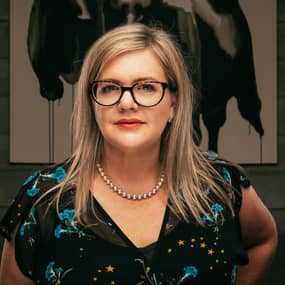
EOS Implementer | Entrepreneurial Leadership Coach | Workshop Facilitator | Keynote Speaker | Author | Business Coach
Debra Chantry-Taylor is a Professional EOS Implementer & licence holder for EOS Worldwide.
As a speaker Debra brings a room to life with her unique energy and experience from a management & leadership career spanning over 25 years. As a podcast guest she brings an infectious energy and desire to share her knowledge and experience.
Someone that has both lived the high life, finding huge success with large privately owned companies, and the low life – having lost it all, not once but twice, in what she describes as some spectacular business train wrecks. And having had to put one of her businesses into receivership, she knows what it is like to constantly be awake at 2am, worrying about finances & staff.
Debra now uses these experiences, along with her formal qualifications in leadership, business administration & EOS, to help Entrepreneurial Business Owners lead their best lives. She’s been there and done that and now it’s time to help people do what they love, with people they love, while making a huge difference, being compensated appropriately & with time to pursue other passions.
Debra can truly transform an organisation, and that’s what gets leaders excited about when they’re in the same room as her. Her engaging keynotes and workshops help entrepreneurial business owners, and their leadership teams focus on solving the issues that keep them down, hold them back and tick them off.
As an EOS implementer, Debra is committed to helping leaders to get what they want and live a better life through creating a bet…Read More
Expert EOS Implementer /
Scott Rusnak is the Author of The Entrepreneur’s Field Guide. The book's purpose is to give the nudge to become the architect of their life.
He is an Expert EOS Implementer® and a Board-Certified Coach for the US and British Olympic Teams.
Rusnak has co-founded and successfully exited multiple businesses, including Schoollogic, GolfNow, HM Systems and Tutela.
With more than 30 years of experience in the entrepreneurial world as a Coach, Consultant, and Advisor, he helps his clients recognize blind spots and learn lessons that can only be taught by someone who has been through it all.
Graduated client roster includes, but is not limited to, Beats Electronics, Chick-fil-A Dutch Bros Coffee, Norvision, and a handful of US Olympic Teams.


