Ryan Hogan: Turning Hard Failures into Business Success with EOS
In this episode of Better Business, Better Life, Ryan Hogan, a serial entrepreneur and CEO of Talent Harbor, shares his incredible journey from bankruptcy to scaling a business to $55 million using EOS and other tools. Ryan discusses the challenges and rewards of entrepreneurship, including the crucial role of communication, accountability, and structure in scaling a business.


In this episode of Better Business, Better Life, Ryan Hogan, a serial entrepreneur and CEO of Talent Harbor, shares his incredible journey from bankruptcy to scaling a business to $55 million using EOS and other tools. Ryan discusses the challenges and rewards of entrepreneurship, including the crucial role of communication, accountability, and structure in scaling a business.
Ryan’s entrepreneurial journey spans various ventures, from a murder mystery company to Hunt a Killer, where he pivoted to subscription boxes and landed major retailers like Target and Walmart. He attributes much of his success to implementing EOS, joining peer groups like Vistage and EO, and surrounding himself with brilliant problem-solvers.
He offers valuable advice for entrepreneurs, including the importance of having an operating system, seeking business coaching, and investing in peer support. Ryan’s journey serves as an inspiring example of resilience, learning from failure, and the strategic approach needed to grow a business.
CONNECT WITH DEBRA:
___________________________________________
►Debra Chantry-Taylor is a Certified EOS Implementer | Entrepreneurial Leadership & Business Coach | Business Owner
►Connect with Debra: debra@businessaction.com.au
►See how she can help you: https://businessaction.co.nz/
►Claim Your Free E-Book: https://www.businessaction.co.nz/free-e-book/
___________________________________________
RYAN'S DETAILS:
►Ryan Hogan – LinkedIn: https://www.linkedin.com/in/ryanehogan/
►Talent Harbor – Website: https://talentharbor.com/
Episode 256 Chapters:
00:00 – Introduction
00:42 – Entrepreneurship and Communication Challenges
02:39 – Ryan Hogan’s Entrepreneurial Journey
04:10 – Transition to Hunt a Killer
45:25 – The Role of EOS in Business Success
45:38 – Talent Harbour and Future Plans
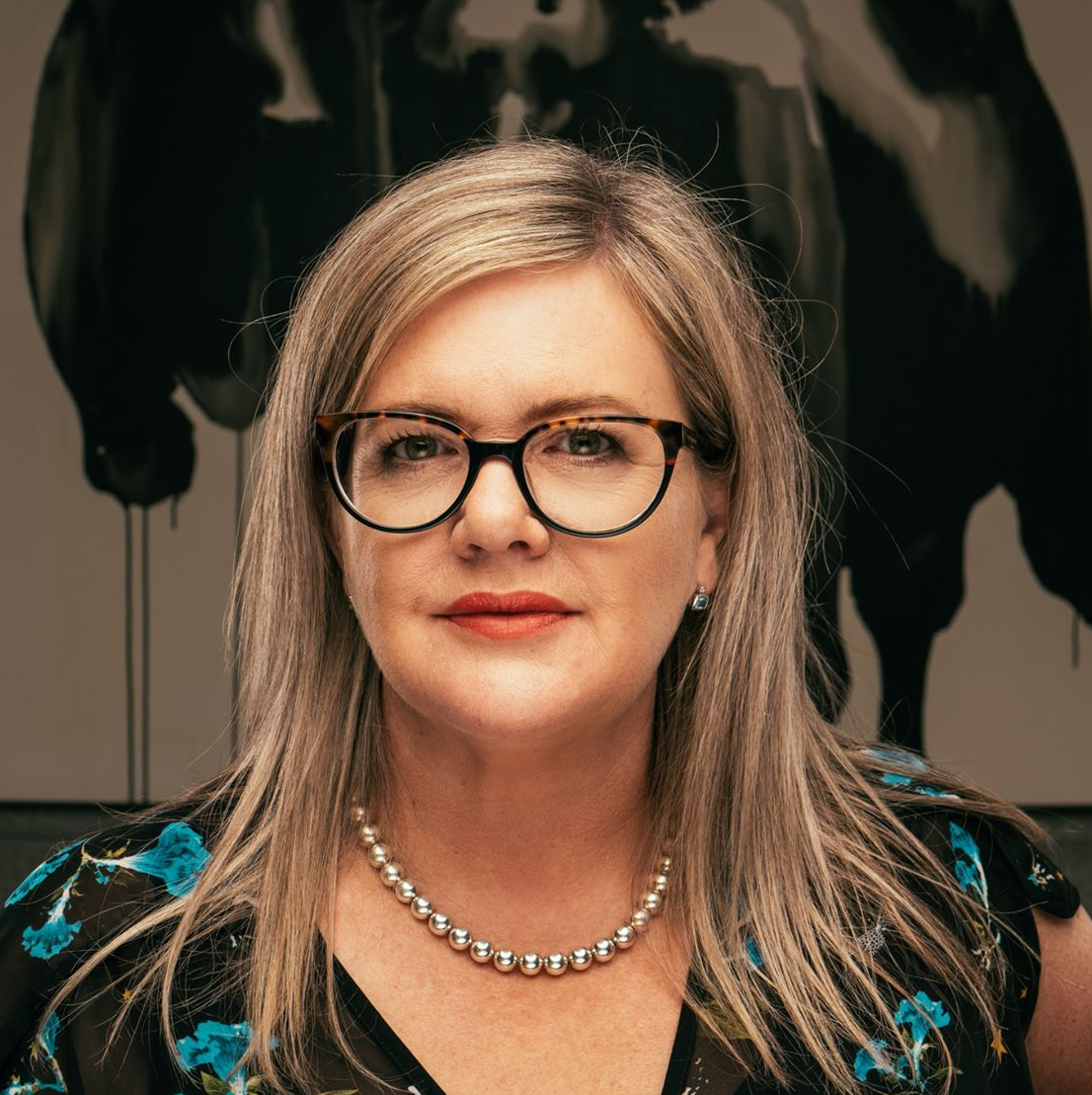
She is based in New Zealand but works with companies around the world.
Her passion is helping Entrepreneurs live their ideal lives & she works with entrepreneurial business owners & their leadership teams to implement EOS (The Entrepreneurial Operating System), helping them strengthen their businesses so that they can live the EOS Life:
- Doing what you love
- With people you love
- Making a huge difference in the world
- Bing compensated appropriately
- With time for other passions
She works with businesses that have 20-250 staff that are privately owned, are looking for growth & may feel that they have hit the ceiling.
Her speciality is uncovering issues & dealing with the elephants in the room in family businesses & professional services (Lawyers, Advertising Agencies, Wealth Managers, Architects, Accountants, Consultants, engineers, Logistics, IT, MSPs etc) - any business that has multiple shareholders & interests & therefore a potentially higher level of complexity.
Let’s work together to solve root problems, lead more effectively & gain Traction® in your business through a simple, proven operating system.
Find out more here - https://www.eosworldwide.com/debra-chantry-taylor
SPEAKERS
Ryan Hogan, Debra Chantry-Taylor
Ryan Hogan 00:00
Entrepreneurship is a very lonely path because your team, they're not your best friends. They're not there to listen to your business problems. You're there to solve and have them help in whatever you're trying to accomplish. You solve one problem, then you solve the next problem, then you solve the next problem, and if you solve enough problems, you get to come home where I see many companies fail is the lack of communication of like, why we exist. Where are we at today? How did we get here, and where are we going? It's the distillation of of those concepts that are generally held at the leadership team level and the ability to communicate throughout the entire organisation. Hello
Debra Chantry-Taylor 00:42
and welcome to another episode of Better Business, Better Life. I'm your host, Debra Chantry-Taylor, and I'm passionate about helping entrepreneurs lead their ideal lives by creating better businesses. I'm certified EOS implementer and accredited family business advisor, and I work with business owners and their leadership teams to help them put in place a simple set of pragmatic tools that will improve their business so they can improve their life. I started this podcast to bring on board people who have been on the entrepreneurial journey, to share their highs and lows, share what worked, what didn't work, and just hopefully create an environment where you can listen and think, Yes, that's me, and maybe there is hope for where I'm headed. So today's guest is a great one for this. He has been through a bankruptcy. He has grown a business from zero to 55 million in six years, and he has had a number of businesses and roles that include creepy crawlies, zombies and helicopters combined with 23 years in the Navy today, he's going to share with you how failure is not the end. It's just the beginning. How the whole if you build it, they will come, is definitely not a given, and how to scale your business successfully using EOS and other tools. Ryan Hogan is a serial entrepreneur. He was the founder of hunt a killer, and he is now the CEO of talent harbour, and quite frankly, he's an all round good fun guy. Hey, welcome to the show, Ryan. It's great to have you here. Yeah, thanks for having me. Debra, really excited about this one. I'm really looking forward to because we've just done a little bit of talking before the show, but also we've talked in the past. I know you've got this most amazing kind of history, and very, very diverse so let's get started, and let's have a bit of a chat around who is Ryan, what is he doing, and how on earth did he get to where he is now? Yeah, and that's, that's
Ryan Hogan 02:34
actually, like, a funny story, because today, today I'm in the recruiting business and and like, what we found before I got into this business, and I found this out through personal experience, is, like, experiences, like the recruiting industry is broken. But like before this, I had a murder mystery company, and before that, I had a zombie company, and before that, I had a T Shirt Company. And way before all of that stuff, I was selling creepy crawlers and Mrs. Price's third grade class before she shut me down. And so, like my my span has been this just weird, amazing, interesting, fun journey of entrepreneurship and solving hard problems with brilliant people. And then, simultaneous to that, it's been United States Navy and so I was a lost kid. If you look at my high school transcript, it was all, we called them E's, but my mom was always like, they're called F's. And so basically my whole senior year was all F's except for 1d and I needed that D to get credit to graduate. And I was just lost like, like I had energy, I had I had passion, conviction, I had all those things, but I had no discipline and I had no focus. And so the Navy for me, my mom signed the permission slip at 17 years old, and and I shipped off the boot camp. I spent 10 years flying on helicopters. That's That's my flight helmet behind me, and ultimately got a commissioning five years as a surface warfare officer. And then after 15 years, I transitioned into the reserves. And now I've been doing the reserves for the last eight years. Yeah, see,
Debra Chantry-Taylor 04:04
that's just fascinating. So you, but you say you were an entrepreneur early on, that you said you were selling what creepy crawlies in the in the classroom, before you got shut down. I'm really interested to know, because I was, I was one of these kids who was actually, like, super, super bright, but was always in trouble in the classroom, always made to stand in the corner, made to kind of leave the room, because I was disruptive and I and I didn't understand at the time what was going on. I just couldn't understand why I was always getting in trouble, because I was still getting the I was getting the good grades. I just couldn't sit still in class. So my teachers had a view of me, and it wasn't a very pleasant one, because I was too disruptive. What? What did they say about you in class? What we how are you described?
Ryan Hogan 04:41
Yeah, I mean, pretty much that, like, if you look at all the comments, like growing up, it was like, Class Clown doesn't shut up, won't won't turn his chair around, talks to everybody. The difference between you and I is like, you were smart, and for me, like I do consider myself. I. Pretty intelligent, but not book smart. Like for me to, like, open up a book and try and, like, focus on that. That's not, it's not that my my learning style, like I learned through just doing it failing, and then looking at that failure, saying, hey, maybe we could have done things different and then moving on. So yeah, my stuff said the same exact except our report cards were, were complete opposites, fair enough.
Debra Chantry-Taylor 05:23
I don't know that I was actually I mean, I love to read. I've always loved to read. I remember reading avidly as a kid, and I do it the same in my adult life as well. But I'm not sure if I was necessarily academic spot. I just had this amazing ability. And I think if I got tested now, there'd be a whole bunch of stuff on Spectrum, scales and things, but I was able to just take stuff really, really easily, quickly absorb it, join the dots and make it make sense, which so I didn't actually ever study. I never actually did any revision for exams and things. So it was just like, oh, this stuff makes sense. I've got it anyway. Enough about me. So you're sorry, zombies, I missed that. This was something just came out in that introduction there. So I knew about the Hunter Killer. I know that was, we're gonna talk about that in a moment. But zombies, what zombies?
Ryan Hogan 06:04
Yeah, and that's like, here's, here's the here's the shorter story of of what happened. Always, entrepreneurship, always kind of like trying to figure out things to sell, things to do. And so I had this T Shirt Company, and it was called War where. And basically the whole premise, or we thought the premise was we were building performance apparel for the war fighters. And, you know, when you look at Under Armour, and Nike was just getting into the kind of performance apparel at that point, we were trying to come up with some sort of cost effective solution for the E ones. I was an e5 at the time, but like, you know, the enlisted folks so they could get high quality performance apparel for working out and gyms and things like that. And that was my very, very tough lesson in if you build it, they don't necessarily come and what happened with that company is I wound up having a two car garage filled to the ceilings with these performance T shirts, and we were in trouble. And we were in trouble like we had taken family money and invested into this, and we were pouring our hearts into it. I was active duty at the time, and we just couldn't move it. So I opened up this magazine, Men's Health, and there was an advertisement in it for the Warrior Dash. And I had just called Men's Health, like, four weeks earlier to ask them how much to advertise my T Shirt Company in there. It was like $150,000 and I was like, wow, if this company can afford 150,000 for this ad, then there must be a market here for obstacle course races. And this, this scene was exploding. It was Warrior Dash, tough mud or Spartan Race. And so I called my childhood friend, and I was like, Hey, I've got a whole garage full of T shirts. Why don't you and I start an event company, and we'll throw a mud run and obstacle race, five kilometre outdoor obstacle course race. And then this company will buy T shirts from this company and give these T shirts to participants for free. And that was really the genesis, like, it was just that simple idea, that simple concept. We wound up backing into the notion of of zombies. And so we, like, we came up with the name, run for your lives. And we're like, well, if people are running for their lives, they got to be running from something. And this was 2009 when the walking dead 2010 ish, when the Walking Dead was just getting started, and so we were like, Cool, well, we're gonna have them run from zombies. They're gonna put on a flag football belt. It's gonna have three flags dangling, and we're gonna have zombies chasing them trying to grab their flags. And if they can get through the whole post apocalyptic themed obstacle course with at least one flag belt, then they have survived and they get a cool medal. And if not, then they still get a cool metal. But that one is a, is a zombie metal because they have zombie.
Debra Chantry-Taylor 08:48
I love it, brilliant. Okay, cool. So I take it because it looks from your thing. Here, you did that for, you know, almost six years. So it turned around and you managed to get it back into a healthy shape. Or what happened
Ryan Hogan 09:01
is this, the Is this the Zombie Run, the war where no, the war where, oh, war where, yes. So eventually the event company took off. And so that was my first so if the other one was my first experience in like, if you build it, they don't necessarily come this experience was like, Oh, this is how you find product market fit. And then everything else I didn't know. So all the mistakes were after product market fit at that point, which was hired all my best friends couldn't spell P and L, had no network or operating system, and like, we screwed it up eventually, because Run for your lives, took off. It bought more wear because it was buying shirts at three three times the cost, and it was like, why don't we just buy this company and go from there? And so that that eventually happened, but at the end of the day, unlike zombies, run for your lives, died, and it's it was a very painful lesson in in. So having the right people around you making sure you understand the business model and the mechanics and what drives revenue and where expenses are, because ultimately, you know that company scaled zero to 6 million bucks, 7 million bucks in like 18 months, and then just demand flat lines. And it was a precarious situation, because in the event world, you pre sell tickets, and so when the company ran out of cash and couldn't pay anybody, we still had like three or four events for that season. And so it was just a very it was a it was a very hard, very hard, tough lesson to learn.
Debra Chantry-Taylor 10:37
Yeah, okay, but obviously, didn't put you off, because you continued on your entrepreneurial journey and got into other things. What happened next? Yeah, I
Ryan Hogan 10:46
mean, that's all part of the game, and that's one thing that I've learned in like, I could draw a line, and it's not a straight line by any stretch, but I could draw a line from, like, selling creepy crawlers to now being in the recruiting business, and so at that point, like, you know, when I think there was anxiety, There was panic attacks, there was depression, there was a lot of things that were happening kind of during that period and past, past the bankruptcy, and so I activated in the Navy. So at that point, I had gotten a commission, and I transferred out to San Diego to drive ships for four years, and for about two or three years, like I was tinkering around with different things, different concepts. And ultimately, I had a business coach come to me, a mentor, and he was like, why are you trying to get into SaaS and business services, like your background is events. Why don't you go do events again? And so who did I call? I called my former business partner, Derek, and I was like, Hey, we had a good run at it. Unfortunately, we both lost our shirts, but, but we did something, and we learned from it. Why don't we do it again? And so we launched hunt a killer about three years after the bankruptcy and and hunt a killer started off as a live event. We went to the first campground that that we had the Run for your lives experience, and we transformed it into a living crime scene. And the only issue we had is we could put 15, 20,000 people through a run for your lives event anywhere across the country in a weekend with this you couldn't have 1000s of people standing around investigating a murder and interrogating suspects. And so we found product market fit, but we realised we didn't have the right business model. So about a week after that first event, we pivoted the company into subscription boxes. We were looking at Birchbox, Lootcrate, kind of all these subscription box companies, and what we wound up doing is taking that immersive murder mystery game, that murder mystery experience, putting it all in a box, and delivering it to front doorsteps each month. And that was really the catalyst. I mean, after we made that pivot, we went from zero to 55, million in six years. We wound up picking up Target, Walmart, Barnes and Noble. It just it. It took off, and it was, it was a wild ride.
Debra Chantry-Taylor 12:49
So having learned your lessons, I guess, from some of the previous businesses, what were the key things you did differently this time around?
Ryan Hogan 12:57
There's a couple things. So once we, once we realised we had product market fit, it allowed me to separate from active duty service into the reserves. And so I was about 15 years active duty at that point, transition into the reserves. First thing I did was I joined a peer group. What I wanted was like people that, like I knew at that point kind of what not to do from like zero to call it 5 million, but I knew that I was going to need help if we were able to scale the business past that. And so first thing I did was I joined the peer group. I learned some P and L, you know, tips and tricks and what to look at, and how money flows through. And I just had a lot of lot of things that we did differently on that second run, and
Debra Chantry-Taylor 13:41
I know that you are fan and familiar with the EOS stuff. Did you use the EOS tools in your in the Hunter Killer business?
Ryan Hogan 13:49
Or we sure did. So I'm glad you asked that EOS changed my life and and like now. Now it's sound like an EOS info infomercial, but it like it was transformational for me. The first thing is, we joined the peer group. And then I just realised this, oh, go ahead.
Debra Chantry-Taylor 14:06
Which, which peer group did you join? By the way, Vistage. Vistage. Okay, great, yeah,
Ryan Hogan 14:11
I've been in Vistage for eight years. I'm actually an EO now as well. So I'm doing Vistage and EO nowadays. So I had Dan Wallace on on my podcast, and Dan and I were putting some pieces together of like, timing and Vistage group and stuff. And Dan was like, Dude, that was me. So my story goes, some EOS implementer came through. Gave everybody a book. We did that, you know, that exercise. And I was like, we need to self implement this. And it was Dan Wallace that came through as a speaker in my in my Vistage group, and it was transformational. So we self implemented for a couple years, probably self implemented from about five to 1520, ish million. And then we went out Margaret Dixon on the border, Colorado, hired her and and she took us the rest
Debra Chantry-Taylor 14:52
of the way. And so what was it about? Because, you know, I hear this story a lot where people, either from Vistage or EO, whatever, they get hold of a traction book. They kind of got. Going to do this. What was it that kind of hit you from that book that made you think, I need this?
Ryan Hogan 15:06
So I went to, I went to the University of Maryland business school for my undergrad, and I went through the, the typical, you know, lessons and business 101, and, you know, having vision and understanding just basically like how business works. And so the thing for me is, is all of those concepts are easy. Usually it's like vision mission values. Here it's, you know, core values and niche and it's reworded, but it's all the same things. The thing that stuck out to me is all of these concepts that already exist, and you're already, like, partially the way doing, but are completely disparate. Like, everything's kind of happening in its in its own place. And you're like, you're not talking about the right things. You don't have the right people at the table. You don't understand, like, how people are being measured against the the work that they do. And like, EOS was, or reading traction was just like this. Aha, moment of like this. Is it like this? Is all of the things that, like businesses already do to a certain extent, but bringing it together in like a cohesive and easy to understand model and system. And so it just when I read it, I saw it, I knew this was just going to organise everything, and it did. It did. It was, it was, it was game changing. It was life changing,
Debra Chantry-Taylor 16:25
truly, yeah, no, I've heard that a few times, and I certainly know that when I came across the book. So my story was that EOS actually launched into New Zealand using my Event Centre in Auckland, and I had been coaching for a number of years, and of course, running businesses like the Event Centre, and I couldn't attend their launch. I was busy at the time doing something with a customer. But anyway, they they left a couple of books behind, and I remember I tried to read traction. And I've said this a few times, I find it boring as bat shit. So it was like, because I'm just again, I'm not necessarily I love I actually used to love reading fiction. That was why I used to as a kid. And so I read, get a grip and get a grip. I just read it. And I remember opening up. I read the first couple of pages. Was completely consumed by it. Read the whole thing in two hours, and went, Oh my God. Then I got hold of the traction book, and suddenly could read the traction book, because this was now the how to book based on the Get a grip story that we heard so and it were, for me, who had actually been working one of the top incubators in the world, doing coaching, running businesses, just brought everything together. And it was like, oh my goodness, this makes perfect sense. Makes perfect sense. And like you said, nothing new, nothing revolutionary. There's nothing in there. Gino says it himself, nothing in there that he has created. Per se, it's all good, common business kind of concept. But bringing it together in a way that it works is what is the magic? I suppose
Ryan Hogan 17:38
that's exactly it. Exactly it okay?
Debra Chantry-Taylor 17:41
So we've gone from bankruptcy, which I wouldn't wish upon my worst enemy, having sort of been sort of through something similar myself, but to then creating Hunter Killer, which you managed to pivot, get the right business model and exit it.
Ryan Hogan 17:56
How did you exit? Yeah, we ran kind of a very textbook process. So we went and we had an investment banking shop that we partnered with. You know, we took three years or three years. We took three months just kind of cleaning stuff up, putting together the sim, the teaser, all of those things went to market, contacted all the right people, and then it was probably maybe seven, eight ish months into the process. We ultimately closed. We we had enough horses in the race. Like hunt a killer did some and this isn't me. Like I was not the game designer. I did not do like the brand. Like, what I did is, like, set a vision and tried to get everybody inspired and motivated to go chase something big and something unique. And we were a very hot commodity, because in the game space, very few games have a sell through, like we had typically. What happens with games is they come on the market. They kind of like books. They come on the market. They they increase, increase, increase, and then there's just this long tail. Well hunt a killer was just growing, which was great. And so we've had three horses in the race at the very end. We knew there was going to be some sort of transaction at that point. And then we ultimately sold to a company called, What do you mean? They've rebranded as relatable, but it's, it's a New York City based poison games company.
Debra Chantry-Taylor 19:14
And so then, I guess you know. So you've gone from, say, from that bankruptcy to suddenly having quite a successful sale. What did you do then? Did you sit there kind of twiddling your thumbs and going, Oh, what am I going to do?
Ryan Hogan 19:27
That's interestingly enough, I was activated again in the Navy. So one thing we didn't talk about is, during the during the growth period of hunt a killer, I got a tap on the shoulder with Navy Reserves, they were like, Hey, you're going to deploy. So I deployed for 10 months, and had to put a trusted integrator in place and really, really, truly sit in a visionary seat directly,
Debra Chantry-Taylor 19:51
let go. You had no choice, right? No
Ryan Hogan 19:53
choice. Had no choice. And what was, what? What was interesting is I was picked up for another programme at the Naval War College. And so I got back from deployment, I spent about six, seven months getting my arms around the company and kind of figuring things out, and then ultimately activated again for 10 months in the Navy, but activated in Newport Rhode Island, attending the Naval War College. And so when I sold, I was actually a student, a graduate student, at the Naval War College and, and so I like to say, like, I took six months off, sort of, I mean, I was at the work so, like, I was, I was doing studying stuff, but, but sort of took some time off. And by my VISTA chair had already come to me and and his name's Tom Leonard. I've, I've since changed groups because I moved to LA but Tom is still a near and dear friend and a personal coach of mine. And he pulled me aside and he was like, Hey, kid, you're not going to be able to sit still. You've got three horses in the race here, so you know there's going to be some sort of exit. Go look at your P, L right now and go pick your favourite line item. Think about, think about what you could do in that that space. So for me, it was people, the investment, development, coaching, mentoring is everything people related. But we spent about a million bucks on recruiting, and I was like, What a stupid industry. Like, never have I been to an event where someone's like, Hey, I'm a recruiter, and you're not like, like, there's just this like, perception of their recruiters are kind of like the used car salesman of business service. And what I saw is a tremendous opportunity to come out and be the car Max. Like. The reason that Carmax exists and launched in the 90s is because it was about bringing trust and transparency back to the used car buying process. And that's how we look about look at what we're doing, like everything we do, from our business model to our proven process to the people that we bring on the team, everything we do is different, and obviously we like to think it's better, but that's the whole thing. Like saw that, saw an opportunity, and I said, Let's go change the recruiting industry. Called the best recruiter we ever used at hunt killer, and I said, I'm gonna launch a recruiting shop. And she was like, what? And then eventually she she quit and joined, joined me, yeah.
Debra Chantry-Taylor 22:07
So that was around about two years ago, right? So talent harbour is the latest thing. And so that's actually, I think your, your Vistage mentor was pretty good at, yeah, it's a great way to look at it is like, what is it that really excites you in the current business? Because we often talk about, you know, follow your passion and you and money is is in it just, just happens. But it's not about, I think people misinterpret that. They kind of think, well, I love photography, for example, so I need to go out and be a photographer and make money from it. No, that's my passion outside of work. It's like, what are you passionate about in the business? And I think that your Vistage mentor was just genius to say, you know, what is it you're passionate about in the business? Because if you can get passionate about that in your next business, and you've got it nailed.
Ryan Hogan 22:43
That's, that's exactly it. And that's, that's how, that's how I looked at and like my I was asked a question last week, is like, like, How do I look at business, or is business my baby? And the problem with with being passionate about your about the actual business, or treating the business as your baby, is it? It reduces, or at least it, it interrupts the ability for that human to be able to take the business where it needs to go, like when business is a vehicle to accomplish something completely different. Then you don't care when you go from creepy crawlers to T shirts to this, to that, because business is just a vehicle like my my passion comes from solving really hard problems, making real significant change, and doing that at scale with brilliant people. And that that's I, it doesn't matter if I'm doing zombie events or in the recruiting space, like it's all it's all the same.
Debra Chantry-Taylor 23:38
Yeah, that's great. So I've got a couple of questions I want to ask you in that one of them is around, of them is around the peer group. So whenever I speak with clients, I always say, as an entrepreneur, you got three things, you got to have an operating system, a coach or a mentor, and then a peer group. And if you've got those three legs of the store, you will definitely achieve whatever you want from your business. And I said, you know, vested, you obviously been a member for a long time, but you know, you're also a member for a long time, but you know, you're also a member of The Entrepreneur's organisation as well. What do you get from those peer groups? And what would you say is, sort of the what's the key thing you get from it? And what's the difference between the two?
Ryan Hogan 24:10
For you, when I think about peer groups, I actually think about peer groups in in three different capacities. And I'm looking for, candidly, I'm looking for three different types of peer groups. Number one is people that have been there, done that they have they have levelled up, or they've gotten to where you want to go. And so those types of peer groups are about having that, like motivation, inspiration, getting that extra push, and having them help you navigate the landmines that you know you're going to face as you're you're trying to get to where they are. The next peer group is, is really a peer group, meaning it's like, it's your peers. They're exactly where you're at. They have to be just as ambitious because, like, everybody needs to kind of push each other. But the idea of that peer group is about accountability. So it's less about like, oh, you know, there's a. There's a landmine coming up, because typically they haven't seen that landmine yet, but the purpose of that group is to hold each other accountable to the things that we said we're going to do. And then the third peer groups, a third type of peer group that I'm a part of, is is more of a mentor peer group, meaning that that I am in a different place than where they are. And so it's really about about kind of bestowing and talking about the challenges that I used to face and how I overcame them. And the purpose of that peer group is to reinforce the concepts so you don't lose sight, or you don't forget the dumb mistakes that you made, and be able to kind of repeat those so long winded like I get something different from all three of them, but that's how I think about about peer groups.
Debra Chantry-Taylor 25:44
I really, I love it. I mean, it's a great thing. So you've got those. Have been there before, been there, done. I got the t shirt. You got those that kind of hold you accountable, and that mentoring thing, which keeps you current in terms of what is, you know, what you should be doing in your own business? Yep, beautiful. Okay, my next question was really around the because I'm really struggling away with this navy entrepreneurialism. I mean, like, are they just, like, almost opposite ends of the spectrum?
Ryan Hogan 26:09
They are they probably couldn't be further apart. When you think about like bureaucracy, you think about like processes and systems and colour within the lines. And you know, don't do don't take risks. That's really the military. Now, granted, we do take a lot of risk, but we take risks that is in direct correlation with what we're trying to accomplish. So if we're training, then we will take very little risk. If we are actually operational like our risk tolerance may increase based upon whatever outcome that we're trying to achieve. You look at entrepreneurship, and it's just like, there is no playbook. Is there EOS? Is there peer groups? Yes, the day to day, like, what should I be focused on? Are we making the right decisions? All of those things are just kind of like, you have to learn it. And there's nobody, there's no playbook. There's nobody there to tell you how to do it or how to make those decisions. And I think to a certain extent, like one of the reasons I've had such a hard time getting out of the military is because the military had such an outsized proportion on my life. Without the military, there would be no entrepreneurship, and the biggest reason for that is I probably would have gotten into trouble. I wouldn't have been able to find a way to like focus my energy. So the discipline and the resilience that came from the Navy, for me, it's about giving back. And so I find a lot of like purpose in the Navy, as far as lives that I can change for young 1718, 1920, year olds, you know, just trying to pay it, pay it back, because somebody, somebody did that for me. And then the entrepreneurship side, yeah, it's just, I take, I take some of those lessons, I take that resiliency with me. But it's completely different. I think it actually kind of
Debra Chantry-Taylor 27:53
ties quite nice into one of my favourite quotes by Jim Collins, where he talks about the magic occurs when you combine a spirit of entrepreneurism with a culture of discipline. And I suppose, in some respects, you've got the best of both worlds that support each other, that magic puzzle piece.
Ryan Hogan 28:08
Yeah, I think so. And like, one, you know, I'm not a screamer, so I've dealt with with many leaders in the military. And, like, screamers are real. Like, that's not stuff on TV. Like, like, there are people that lead through, like screaming in your face or just telling you get it done. Oh my oh my gosh, yeah, yeah, yeah, especially the Marines, mostly the Marines, but, but still, still in the Navy. You know, that's never been my approach. Like my approach has been care, empathy and really trying to bring out the best in people. And I feel like if you focus on the people and their needs and their wants, then that will ultimately translate into the quality and productivity of their work. But, yeah, so, but we do hold people accountable. So like for us, it is very easy. It's not easy to run Eos, but for us it's it is easier. There you go to have the difficult conversations, for sure, so that
Debra Chantry-Taylor 29:03
I don't want to be an EOS advertorial. But I mean, what is your favourite EOS tool? Because I was, I actually change regularly. I have these tools that come to the forefront because they're really relevant at the time, but audience has been your favourite tool in the Eos tool set.
Ryan Hogan 29:16
Personally, I'm gonna have to go with the people analyzer. And one of the reasons for the people analyzer is, like, you can use it in recruiting. You can use it for vendors, you can use it for partners, you can use it for clients. There's just so many uses, and it's just such a great guide to tell you, like, if something's not feeling right, run it through the people analyzer and see if that's why. Yeah, I was just
Debra Chantry-Taylor 29:38
talking about this on a previous podcast. I love it because it because it takes the emotion out of it. But you're right, it can be used for lots of different things, and my, my really good buddy, Scott rustnuck. I mean, he even uses it
Ryan Hogan 29:48
for his friends and family. That's on brand for Scott, it
Debra Chantry-Taylor 29:52
is, it is, he's he's hilarious. He really is. But it's great because, like you said, it's like, he's very intentional about what he wants from his life and and he wants the people. That are surrounding him to be the right people. So for him, they've got to be the right people in the right seats, even if it's a family role or a friendship role.
Ryan Hogan 30:08
That's exactly right. I love it cool. And so
Debra Chantry-Taylor 30:11
in terms of the you know, if you think about what EOS did for your business, what was the biggest difference it made, and what I'm not going to ask a second part to it as well. What was the biggest mistake
Ryan Hogan 30:24
that you made? Oh, I've already got that one. I think, I think what, what EOS does, like, it's accountability, and it, it like, I think Gina Wickman always talked about, like, it's, it's like the flashlight, like, the reason for the light bulb is, like, it puts a light on, on folks, and makes sure that everybody is held accountable to the same standards, to the things that they are supposed to complete. And that happens everything through, like, the data that you collect, all the way to the rocks that you set and then the to do. So there's a lot of like, accountability and structure in the process. I don't know if that's the biggest benefit where, where I see many companies fail, is the lack of communication of like, why we exist. Where are we at today? How did we get here, and where are we going? And the the VTO takes that message and like, in black and white very easily, just distils it down so everybody can understand. And so I would almost say, like it's the distillation of of those concepts that are generally held at the leadership team level and the ability to communicate throughout the entire organisation. Yeah, it
Debra Chantry-Taylor 31:33
is interesting. I was doing an annual planning session this week with a client, and they've got about 160 staff, and they've been doing EOS for I suppose it just must be here, if they're just under annual planning. And it's really fascinating to see. I make my heart sing sitting in the room, but they were talking about the fact that their people were actually on board with what they were trying to do. Everybody. It's a manufacturing business. We talk about people who work in a production line, which is not, you know, the most exciting work in the world, but they understand now that they're part of this bigger picture, which is about helping the Australian owners of the land and that kind of stuff and and it's enabled them to also bring into play things like EBITDA programmes, to teach staff about what EBITDA is and why it's important, and what it can mean for them. Because they understand the bigger picture, which means you can bring these smaller, not smaller concepts, but different concepts at a different level across the whole organisation as well, because they understand how it fits in.
Ryan Hogan 32:24
I, I 100% agree. And like it does that at every because, because the there were l 10s, not just at the leadership team level, but at the departmental level and and, you know, at hunt a killer, we weren't very good at pushing it all the way down into the operations. And the reason for that is, like we didn't, we didn't really see a need to pull people off the floor for 90 minutes a week. And so we went into stand ups, and we had sort of a modified all 10, but every single person in the company was meeting in some sort of Eos, like capacity every single week. And it just makes that, it makes that communication so much simpler. Yeah. And I think
Debra Chantry-Taylor 33:01
that's the important thing. I mean, I always sort of say EOS is a framework, and it's, you know, not every level 10 meeting has to be a 90 minute meeting. It's just about the structure of sharing good news, having some accountability, and, most importantly, the opportunity to raise issues and get those issues solved, which is the key thing for it. I think, Okay, so my second part of the question, you know, what was the biggest mistake you've ever made? And I can see you've already thought about this. It's easy.
Ryan Hogan 33:28
Yeah, it's so easy. I'll give you the story, and then, and then I think the story will tell our biggest mistake. So we self implemented for probably about two or three years, and we use ninety.io so we at least had, like, you know, a software that was kind of an engine powering all of these different things, and we thought we knew what we were doing. And we were like, what implementer? Like, why do we need an implementer? Like, we got this. And eventually we were like, okay, all right, well, you know, it just in order for for me not to have to, like, lead the meeting and try and interject, like, ideas and things like that, we'll go get an implementer. And we walked in on the first day, and Margaret Dixon was like, What the hell are you guys doing? And we thought we were pros, like, we were like, We What are you talking about? This is EOS. We know what we're doing. We're experts at this. The it can't be minimised. The the transition from nothing to self implementation, like the company did a 180 there. There were so many things that happened that were incredible. We went through a whole nother transformation. So think the company is already, like 100 times better than what it was without anything. And then we went through like an unbelievable second transition, once we brought Margaret through the door. And so what was the biggest mistake? We waited way too long to bring an eosi through the door.
Debra Chantry-Taylor 34:44
That's it. Thank you very much for saying that. I really appreciate it. But, yeah, but it is true. I mean, I don't know if you can see just behind me over here, those who can't see the video version of this, I've got a little What do you call a sketch that somebody did when I was doing my talk at the EOS Conference, which is about, are you self implemented? Implementing or self inflicting. And the self inflicting term came from somebody who actually rang me up and said, Hey, we've been sort of self implementing EOS for a couple years, but we think we've been self inflicting it. And it's like, Oh, my God, that's a perfect term. And look, don't get me wrong, like self implementing, like you said, is way better than doing nothing. And they've done a really, really good job in terms of changing the way the business operated, but what they were doing was not really pure EOS. And just by bringing in an implementer, we just, we fine tune things. I'm a bit of a car nut, so I always use it to, like, you've got this beautiful Ferrari, but you're not looking after it, you're not bringing in for the pit stops, you're not making sure it's doing the right things. And so we just take the time to fine tune it, so you can actually then go out there and really race.
Ryan Hogan 35:40
That's it like, and there's so many like, yes, it's an expert. Yes, they've done this 1000 times. Yes, an EOS implementers seen 1000 things. There's also the other, the other kind of, like, unspoken areas, like number one, it brings a neutral third party in the room who's like, looking at 10,000 feet and able to see a lot of blind spots that the people that are like doing this day to day, it can't see, you know that. And being able to kind of hold the attention in a room and really let the visionary or the integrator, whoever was like self implementing during these during these meetings, it allows them to be a part of the meeting, not not not trying to lead the meeting, which, for me, like those were two different things.
Debra Chantry-Taylor 36:23
Yeah, yeah, just one of the things. I've got some clients who've been working with me for years now, because we always say, we don't want to work with you forever. We want you to graduate and get on with it. But they just see the benefit of having that, that external party coming in. And as you said, one of the biggest benefits is you're freed up to actually participate. You don't have to worry about trying to keep everybody happy, trying to get everything going. Everything going, trying to take all the notes and then it's good. Okay, so talent harbour, so it's been a couple of years now, and you went into it with the intention of shaking up the industry, doing things differently. How's it going?
Ryan Hogan 36:54
It's going, it's it's going very quick. I would say we were kind of like two years would be like, officially, when we filed the LLC paperwork and things like that. We didn't, we didn't really, because I was still at Naval War College. I was still running hunt a killer, and so it was like six months, probably June, July, Alana and I started taking it seriously. And then six months later, like once we really built the processes and understood our value proposition, or our three unique, well, I don't even, I don't think we still even understand our three unique, that's a whole nother. That's a whole nother. That's a whole nother story. But at the end of the day, like we've really been doing this about a year, and in this new business model and iterating on the process, we have in place, and we are growing so fast, we're actually, like, exceeding our own expectations, which is a great place to be. And I, actually, I just had this conversation. We were down in in Colombia. We had this big company retreat, took a ride down, and we had a new teammate and generally, we do new teammate onboardings virtually, but we had the opportunity to do it in real life. And he asked me, he said, Hey, why do you think you're growing so fast? And when you take a step back and you look at it, it's like you at it, it's like, the the product is, is there? Like, we have a we are really, really good at what we do. When you think about kind of the marketing aspects, like, we have a completely unique model that differentiates us from anybody else on the market. And then when you think about distribution, you know, we've got an amazing podcast. We have, we bring on EOS implementers, we talk about the EOS life, things like that. So we just have incredible strategic partners that we're aligned with and and it's just working. So, yeah, that was a long winded story, but, but it's, it's going better than probably we could have expected.
Debra Chantry-Taylor 38:37
Yeah, I think I'm a big sort of Dan Sullivan book fan, and also Dr Benjamin Hardy as well. But the the whole who, not how thing is something that people sort of forget, and the 10 times is easier than two times. Like just thinking about things in a different way means that any anything is possible, but we often get really blinkered because we've been told this should be done this way, or what's happened. So I think it's important to always be curious and always have an open mind. Oh, yeah, you've been through a, wow, a journey. I mean, gosh, just listening to some of these stories, I'm sure there's many, many more you could share. But you've been through journeys of, you know, I suppose, failing at school, to having a business that did really well, to them going to bankruptcy, to then so another business, and selling that and getting a lot of money for it, and now in a completely different area altogether. And still, throughout all of that, being in the Navy, for somebody, you must have some tips and tools you can share with people who are listening into this podcast. What are the three most important things you would say to an entrepreneur listening into this so
Ryan Hogan 39:33
I wrote them down earlier and as we were talking, because to me, they're, they're very easy. And here's, here's the issue we're going to have. As I say, these three, it's just going to be a read back on something that you already said, because these are the these are the three things that you believe in. And I swear to you, I'll show you the paper like these are the three things I wrote down. One, you need some sort of operating system, some sort of framework to be able to run, manage and operate the business on a day to day basis. Yeah. Yeah, obviously EOS is the, is the, you know, elephant in the room, and it's the biggest, and to me, it's the best one. But business owners need to understand that, like, there are systems and frameworks that exist that will help you manage the business. Number two, we talked about this as well. It's a peer group, like having folks that you can rely upon, that you can share your deepest, darkest secrets. You can get vulnerable with. They can share what's worked for them. They can hold you accountable. You can reinforce your concepts like peer groups, peer groups and EOS are really were the life changers for me. Yeah. Hey, just
Debra Chantry-Taylor 40:35
want to go a little bit into that as well, because I've been a member of EO for sort of three and a half years now, I work with the EO as a strategic alliance partner. But I think one of the things people forget, too, is like, because you're married, you've got children, etc, it's really hard to go home and have those conversations with your partner, with your husband, with your wife, whatever it might be, and it's not the person you should be having those conversations with, either.
Ryan Hogan 40:58
No, no, like you're you're like you should, what is it like? You're the one that's doing it, and so letting everybody else in on the stress like that, to me, that feels like the the entrepreneurs to own. And I agree with you, like one of the things that I don't think it's talked about enough, is like entrepreneurship is a very lonely path. You know, there's all this thing, all these things out here where it's like a sexy thing. You have Steve Jobs, and you know, all these people that have come before and made the headlines. The reality is, it's, it's one of the most lonely gigs on on the planet, because your team, they can be like family, and you can, you can be a close and empathetic and help them succeed. But they're, they're not your best friends, like they're not there to listen to your business problems like you're there to solve them and have them help in whatever, whatever you're trying to accomplish. So, you know, not, not to piggyback on that. But, yeah, perfect. Yep. And then you already said the last one too. I mean, these were the three that that you said, but it's a business coach. You know, with Vistage, it's, it's installed. So when you join Vistage and you're in a CE group, like the chair is a trained business coach. And so you get the added benefit of a business coach and a peer group kind of simultaneous EO. Eo is kind of self led, or peer led. And so there's no installed coach. And I think just having someone that for you know, call it 60 to 90 minutes a month, you can sit down with and express to them what's happening and have them, have them help guide you, from a coaching standpoint, and the best coaches are the ones that are brutally honest. Like my business coach will say the most direct things to me and like, I'm like, I can't believe that I and and then he's right, and then I'm like, Okay. And what a good business coach really does is hold a mirror up to you, and sometimes you just don't like what you see. But, yeah, those, those are the three. But you already, you already talked about all three, but that's, that's great.
Debra Chantry-Taylor 42:53
I mean, as I said, nothing that we talk about is necessarily new or revolutionary, just like Eos, it's just tried and tested. And I know, you know, I'm 55 years old. I have been through the ups and downs of business. I've been through a liquidation. I've been through the success stuff. And the reality is that it's if you get the basics right, then it works. And they're the basics. Yeah, those three things are the things that will actually help you succeed. I can speak from experience. I agree. I agree. Beautiful. Okay. Well, look, I have no doubt we probably talk all day, but that's been really helpful. It's been really interesting to hear kind of your journey through all of this. And to get your top tips and tools. You have got that podcast, which is the Confessions of an EOS i which is out there, and talent harbour will make sure that your details and things are in the podcast. And as people can find you, you've also got a website which is interesting. And I guess the one last thing says that you've got your own that you've got your own personal website, which is Ryan e hogan.com and of course, I had to hop on there just before he came on board. And so one of my favourite movies is The Martian. So let's just quickly tell me a little bit about the Martian before we sign off.
Ryan Hogan 43:55
Yeah, I'm a I'm like, a big space geek, so like Apollo 13, The Martian. I mean, you name it. I just, I love these movies where, where they go out into space and and chart new new territories, Interstellar. That's another great one. Although that concept is less about going into space, more about about the family stuff. But the thing about The Martian, it was the very end and, and as Matt Damon is is talking to a class. What he says is, you solve one problem, then you solve the next problem, then you solve the next problem, and if you solve enough problems, you get to come home. And that's what I used to talk to my team about constantly, because, like from the outside looking in, hunt a killer was a great success. We did 205 million over six years, and we had a we had an exit, like all the when you're growing a company that fast, everything at all times is always on fire, like there is always issues, and they are big, hairy issues. And so what I used to talk to my team about is like, we need to be able to prioritise and solve the right problems. In in Apollo 13, i. Of like space movies for decades, and Apollo 13, he talks about, you're you're focused on problem 4322 and we need to be focused on problem number one. And these were the concepts that I used to talk to about my team when we were facing real challenges. Is like, this is our job is to solve problems and to solve them in the right order and focus on them. And if we solve enough problems, we get to go home and that, that was basically my that was my message.
Debra Chantry-Taylor 45:25
I love it. Absolutely love it. Okay, look, thank you so much. The big win on my face. Really enjoyed that other conversations taken lots of learnings myself, which I think you always do when you're talking to people. Hope the listeners have enjoyed listening to you. Thank you for sharing.
Ryan Hogan 45:39
Yeah, thanks for having me. Debra, appreciate it.

EOS Implementer | Entrepreneurial Leadership Coach | Workshop Facilitator | Keynote Speaker | Author | Business Coach
Debra Chantry-Taylor is a Professional EOS Implementer & licence holder for EOS Worldwide.
As a speaker Debra brings a room to life with her unique energy and experience from a management & leadership career spanning over 25 years. As a podcast guest she brings an infectious energy and desire to share her knowledge and experience.
Someone that has both lived the high life, finding huge success with large privately owned companies, and the low life – having lost it all, not once but twice, in what she describes as some spectacular business train wrecks. And having had to put one of her businesses into receivership, she knows what it is like to constantly be awake at 2am, worrying about finances & staff.
Debra now uses these experiences, along with her formal qualifications in leadership, business administration & EOS, to help Entrepreneurial Business Owners lead their best lives. She’s been there and done that and now it’s time to help people do what they love, with people they love, while making a huge difference, being compensated appropriately & with time to pursue other passions.
Debra can truly transform an organisation, and that’s what gets leaders excited about when they’re in the same room as her. Her engaging keynotes and workshops help entrepreneurial business owners, and their leadership teams focus on solving the issues that keep them down, hold them back and tick them off.
As an EOS implementer, Debra is committed to helping leaders to get what they want and live a better life through creating a bet…Read More
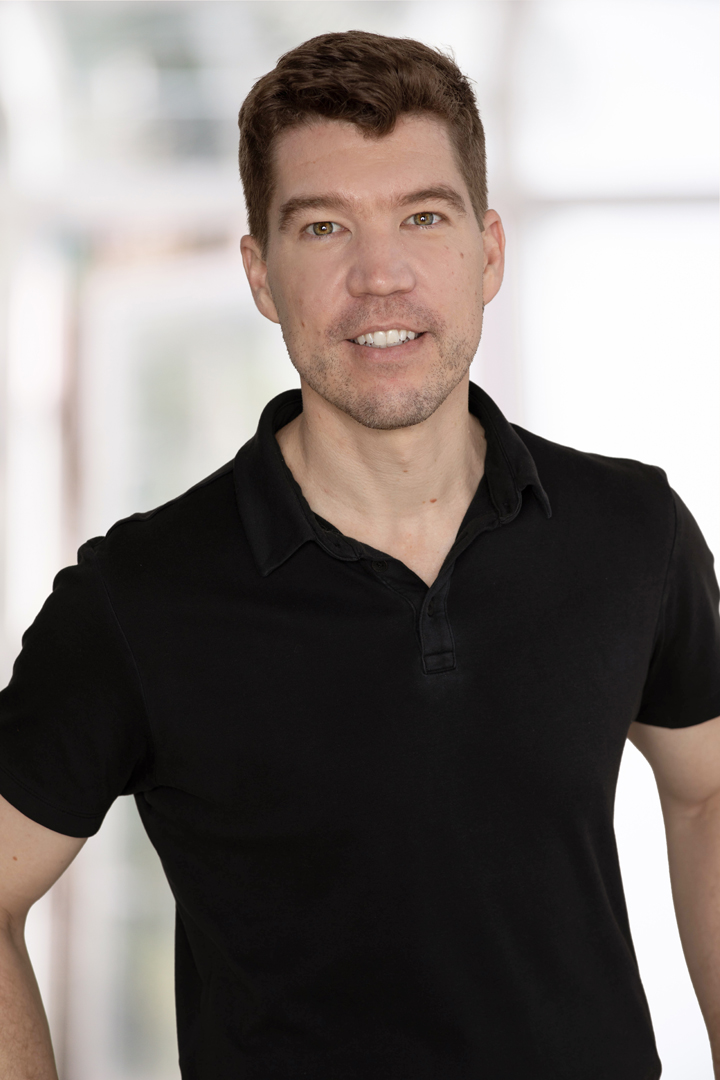
Co-Founder & CEO
Ryan Hogan is a Navy Reservist, serial entrepreneur, and the co-founder and CEO of Talent Harbor, a recruiting-as-a-service company helping growth businesses find world class talent—without the broken incentives of traditional headhunters. After scaling Hunt A Killer from an idea to a $205M global phenomenon, Ryan experienced firsthand how ridiculous the recruiting industry was.
That challenge became his next mission.
With a deep belief that recruiting needs to be a core competency for all businesses—not an afterthought – Ryan built Talent Harbor to serve growing B2B businesses, especially those running on EOS. His team replaces antiquated commission-driven models with a flat-fee, embedded recruiting service focused on fit, process, and long-term results. Ryan is on a mission to change how business leaders think about hiring—and to challenge the outdated models that no longer serve today’s workforce or workplace.


