Kerry Boulton: Steps to Make Your Business More Exit Ready
In this week’s episode of Better Business, Better Life, Debra Chantry-Taylor is joined by Kerry Boulton, an experienced exit planner, business coach, and investor, for a candid conversation about what really happens when business owners isn't exit ready.
















In this week’s episode of Better Business, Better Life, Debra Chantry-Taylor is joined by Kerry Boulton, an experienced exit planner, business coach, and investor, for a candid conversation about what really happens when business owners don’t plan their exit.
Drawing on decades of lived experience, Kerry shares her journey from running a major division in the 1980s to owning, exiting, and reinvesting in multiple businesses. She unpacks a confronting statistic from the Exit Planning Institute: 73% of business owners regret selling their business, largely because they failed to plan both the exit itself and what comes next.
Together, Debra and Kerry explore what it truly means to be exit-ready, from strong financials, systems, and succession planning, to reducing owner dependency and thinking deeply about purpose beyond the business. The conversation also dives into family business succession, the emotional realities of exiting, and why starting at least three years early can make all the difference.
This episode is a powerful reminder that exiting a business isn’t a single transaction, it’s a transition. And done well, it can set you up not just for financial security, but for a meaningful and intentional next chapter of life.
CONNECT WITH DEBRA:
___________________________________________
►Debra Chantry-Taylor is a Certified EOS Implementer | Entrepreneurial Leadership & Business Coach | Business Owner
►Connect with Debra: debra@businessaction.com.au
►See how she can help you: https://businessaction.co.nz/
►Claim Your Free E-Book: https://www.businessaction.co.nz/free-e-book/
___________________________________________
GUESTS DETAILS:
► Kerry Boulton – LinkedIn: https://www.linkedin.com/in/businessvaluebuildermelbourne/
► Get Her Complimentary Valuation Assessment: https://theexitstrategygroup.com.au/value-builder-questionnaire/
► Get Her Book, The Uncensored Truth about Exit Strategies: https://freeexitstrategybook.com.au/
Episode 251 Chapters:
0:00 – Kerry’s Introduction and Background in Exit Planning
2:29 – The Journey to Business Ownership and Initial Challenges
7:33 – Implementing TQM and Attracting International Buyers
11:25 – The Importance of Exit Planning for Baby Boomers
14:35 – The Impact of Not Having an Exit Strategy
19:53 – Financial Considerations and the Role of Professionals
25:38 – Family Business Succession Planning
32:58 – The Importance of Systems and Financial Health
36:48 – The Role of Earn-Outs and Private Equity
40:22 – Top Tips for Exit Planning
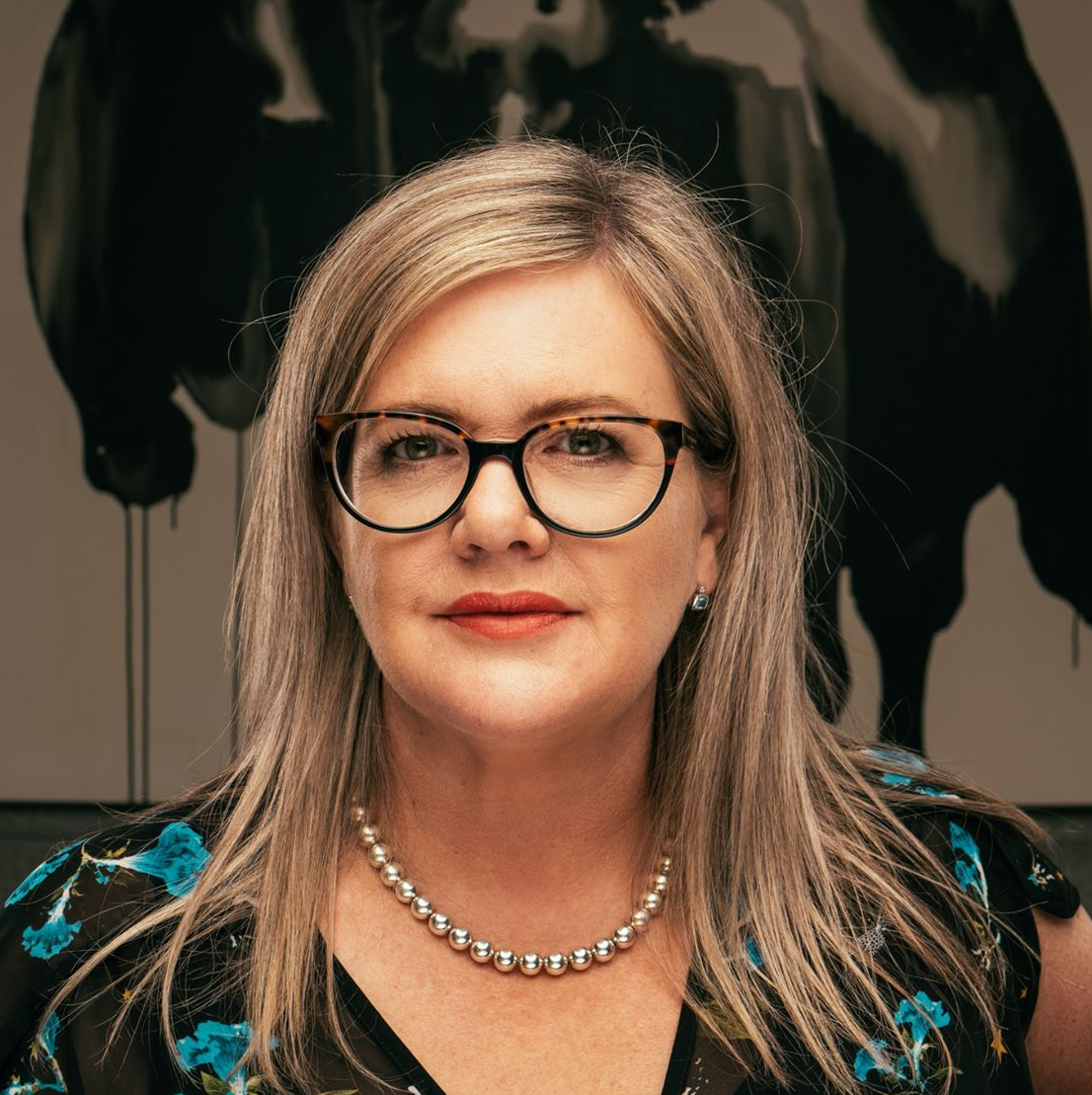
She is based in New Zealand but works with companies around the world.
Her passion is helping Entrepreneurs live their ideal lives & she works with entrepreneurial business owners & their leadership teams to implement EOS (The Entrepreneurial Operating System), helping them strengthen their businesses so that they can live the EOS Life:
- Doing what you love
- With people you love
- Making a huge difference in the world
- Bing compensated appropriately
- With time for other passions
She works with businesses that have 20-250 staff that are privately owned, are looking for growth & may feel that they have hit the ceiling.
Her speciality is uncovering issues & dealing with the elephants in the room in family businesses & professional services (Lawyers, Advertising Agencies, Wealth Managers, Architects, Accountants, Consultants, engineers, Logistics, IT, MSPs etc) - any business that has multiple shareholders & interests & therefore a potentially higher level of complexity.
Let’s work together to solve root problems, lead more effectively & gain Traction® in your business through a simple, proven operating system.
Find out more here - https://www.eosworldwide.com/debra-chantry-taylor
Kerry Boulton 00:00
We call it the five days, death, disaster, disease, divorce, disagreement. It is about not knowing what's coming, and you can prepare your business so that it is exitable at any time. 73% of business owners regretted having sold their business because they had thought enough about the next stage. What is it that they're going to be? Who are they going to be when they are no longer their business?
Debra Chantry-Taylor 00:37
Welcome back to the show. Kerry, great to have you back.
Kerry Boulton 00:39
Thank you very much. Debra, it's good to be back.
Debra Chantry-Taylor 00:42
yeah. So for those who don't know you, so Kerry, as I introduced her, she is an exit planner. She was also an EOS implementer. And one of my colleagues, would you like to tell us a little bit about your story, Kerry, as to how you got into Exit Planning and why, why it's important for you.
Kerry Boulton 00:58
Certainly, I think, starting back from the days when I had an opportunity to actually do a management buyout, which was for a division of main Nicholas, which is a large public company, was a large public company back in the mid 1980s actually, I was working in the business and the general manager and may Nicholas looked ahead and said, What do we want to do strategically? And they decided they wanted to be in the health industry. So being a conglomerate, which was the strategic de rigueur of the 1980s they decided to divest of a number of different businesses, and so one of which was the business for which I was general manager, freight Management International. And so I went along to a very dear friend and mentor, John Bowen, and talked to him about the opportunity. And he said, I'll tell you what Kerry, you write the plan, if you can convince me, I'll help you get the money together. Now, being in a corporate I had absolutely no idea how to write that plan, because you just don't know how to raise money. And as luck would have it back then, I'd have to keep reminding people back in the 1980s we didn't have the internet, we didn't have Excel spreadsheets. We didn't have mobile phones. We didn't have any of that stuff. So they came along much later. But as I was tearing my hair out and tried to write this plan, I saw and for a book in the paper in the age at the time, which was for a newly released book called business plans that win dollars that had just been published, and I have that book to this fairy daddy, yep, okay, well, with my post, it notes in it, and so I tipped out the coupon, sent away for the book, and waited for it to arrive, because it had to come from the States, and read the book overnight. And then I wrote the plan by the book. And I also found the other day,
Debra Chantry-Taylor 03:03
oh, the actual plan, the original plan. And don't forget, not everybody's watching this. If you can't see the video, this is actually a spiral bound. You know, we had those old spiral bound with an acetate cover and sort of black and white printing business plan. There you go. Yeah, I couldn't believe it. I when I was clearing out some
Kerry Boulton 03:25
a drawer that had heaps of stuff in it, and there it was. It could have knocked me over with a feather, because I had, I thought I ditched it years ago, you know. But there we go. I found the original plan. I read the book overnight. I wrote the plan by the book, typed it all myself, because, as I said, no computers, none of that good old IBM golf ball typewriter. My two, two of my colleagues within the business helped me do all the number crunching and so forth. They were originally meant to be business partners as well, but in the end, they dropped off. So took the plan to my mentor, and he read it, and true to his word, helped us get the money together. So awesome. First of July, 1987 we became the proud owners of freight Management International. Now before that. Of course, I was meant to sign the contract, actually on the 15th of may and at the solicitor's office, but I was held up because my daughter was born that day, my first child. So I know that's 38 years ago now, because she's just had her first child just recently. So anyway, that didn't deter me or anyone else at the time. So came the first of July and the John Bowen helped us get the money together and took over the business with an 83 staff, five offices around Australia, 120 international agents and a newborn Anyway, before. First. That was my first experience of being, of understanding that I needed to have an exit strategy. I needed to have an exit plan of some description. And look, it was really only one page in this whole plan, and that was to grow the business and sell it somewhere between the five and the 10 year mark to an international group. That was what we wanted to do, and we needed an exit strategy, because when you have investors, they've got to know how to get their money out. So I like to say now to business owners, no matter what business you're in, everybody needs to have some sort of idea of an exit strategy. What it might be doesn't mean that it can't change somewhere down the track, but at least begin with the end in mind. You know, which is the famous, or well known statement from Stephen Covey. Habit number two, begin with the end in mind. And you know what? It's kind of fun to think you might know what the end of the movie is going to look like. You know, to work towards that. So I have to say that the beginning and the end actually worked out. Everything else in the middle was just like a complete roller coaster, as in most businesses, you name it, we had some incredible experiences, challenging certainly in many, on many occasions, like, I remember, we the first month into the business, my Victorian State manager was actually killed in a car accident, which was awful, really awful that year as well, Black Monday, the stock market crash, You know. And I mean, so many things just went on. It was crazy. We did recover. We were able to see right through to, like, the end to the end of the 1980s the economy was rocketing. It was fantastic, but that industry was an indicator industry, so we felt being in import and export. We could feel the changes that were happening economically before they actually appeared, if you like, to the general populace. So come around 1990 Yeah, we were foretelling the recession we had to have when Paul Keating pulled the pin basically on the country, and that was what we had to have, was a recession. So, yeah, we went right through that. It was a horrible time. I had to let go. I think it was 18 staff at the time, which was probably one of the worst experiences in business that you'll ever have, have to do. But we managed through it, and we, we implemented a process called TQM total quality management, which is so interesting because I see so much of it in Eos, which is incredible. The whole notion of, you know, having cross functional teams, so everybody's pulling in the same direction, being able to understand what's really driving your business. And it's it was terrific, and that actually positioned us really well. We made ourselves attractive to an international buyer, which is what, what we were heading towards, you know, and we didn't ever put the business on the market. The market actually came to us, which was incredible. So in what was it? I think year seven, we did. We were approached. We were actually approached a few times, but this was the one that was really i The most important thing for me was that everybody had a job. I didn't care about myself, but so long as I had everyone else having a job that was the most important part of doing any deal as well. Anyway, the Yeah, we had newly forming business came along and made us a great offer. So 1996 I personally exited the business, retired for the first time. That was for two weeks, because it was boring. I did have another child already by this time. And anyway, I just nowhere in the world that I was going to be the stay at home mum. But so I started another business in business coaching, but also, meanwhile, with my husband, we were then, we then became equity partners in the real estate business that he'd been working in, so residential real estate and sales and property management. So we had that two businesses running in parallel. So I went on to do my business coaching business for about nine years with fewer four other coaches, and we had that was just terrific. Loved all of that. And that was before business coaching was even in anybody's language. You know, we just did never talk about it. And then I the real estate business just went was going gangbusters. As well. So in 2003 I did retire again and decided that it was time to spend more time with the kids at that stage, and because they were in their teens. And you know, it was just the right sort of timing. And then, and then, somebody came along and made us an offer way too good to refuse with the real estate business, which we took in 2007 you know what? You'll never go broke, making a profit. So someone comes along and makes us an offer. Hey, thank you very much. Way too good to refuse at that point. And yeah, so that that was the second major exit. Basically, John stayed on. My husband, John stayed on for a couple of years, doing list and sell because he needed something to do as well. But, you know, it was a part of the deal, the contract at all. He was just doing it because he loved to do it. And then unfortunately, he was diagnosed with bowel cancer. So he base. He basically retired at that point. We took about a year, a couple of years, to get him well again. And then we started another real estate business, and with another, another business partner, Greg hopping. And then I decided I would go back into doing some business coaching again as well. So had a look around the market, did a bit of research. I saw a press release, actually, from PwC Pricewaterhouse papers, which talked about baby boomers and the big wave coming through, and how they need to be exiting their businesses. And it sort of the penny dropped, and the light bulb went on and said, Wow. Well, how come nobody's talking about this? And of course, a group like PWC will deal with very large businesses, no one's talking to small businesses about it. And when I delved in to the stats a little more deeply, it was quite revealing, because 50% of Australia's private businesses were owned by baby boomers, amazing 50% you know. So we need to do something about educating everyone to think about what is it that they Yeah, what do we need to do to get our business ready and exit up all and most of the time, you know, business owners have been able to create a great living for themselves with their businesses, and they've been using their profits to do that, which is terrific, but when it comes time to actually exit or sell, if that's what they want to do, then you've got to be able To demonstrate that it is actually viable when you've taken all the profits out of it. So you have to give yourself a bit of a runway, you know. So that's really the educational trail, if you like that I've been on for what's that now, 12 years, basically, to be able to help business owners to actually see that they do need to give themselves time become exit ready. No matter when you want to go, it doesn't really matter. But of course, baby boomers in particular have already like in 2011 the first baby boomers turned 65 the peak is coming in 2028
Kerry Boulton 13:20
this Yeah, for the highest number who will be turning 65 and then, of course, there's still a huge runway for for at least another 10 years, by which time we're well and truly, we have the next generation coming through who are in the same sort of position. So, you know, there's, there's just an understanding that most business owners don't have to really know how to be able to extract themselves and get out of their businesses and create real value, so that it's not simply the profits that they've made out of a business, and a lot of a lot have been able to get a nice living from the business, but a good deal of their wealth is actually tied up in the business. It's like, you know, you've got asset rich, cash poor, you know, so you've got a lot of value, a lot of equity that's actually tied up in the business that you've worked really hard to create, and how do we, how do we make sure that we can release that and make the business transferable, rather than it being relying on you? Part of that, of course, is you, your identity, because that's such a crucial part to have be able to create a new you. You know, once, let's look at the business has gone, yeah, once the business is gone. So who are you when you're no longer your business? So you it's really important to start working on the new you as well as you're leaving. The business. So just let us
Debra Chantry-Taylor 15:01
explore that for a moment. Because, I mean, you will have seen when people haven't done that, and what is the impact when you don't do that.
Kerry Boulton 15:07
So it is usually huge regret. And in fact, this is, this was part of a survey research that was done by the Exit Planning Institute in the US. They do a state of the nation's survey about every five years to just check in to see how business owners are responding. And even though it's the US, it reflects here just as as as vividly, as well. And 73% of business owners regretted having sold their business because they hadn't thought enough about the next stage. What is it that they're going to be? Who are they going to be when they are no longer their business? So spending time and really delving into what it is, what's going to be your next stage is so important. And you know, you most conversations you have with business owners, I say, oh, no, it'll be great. In fact, I I use my uncle as an example, because he was a self made man, and in his heyday, he had 14 different businesses, 500 staff, big business. And after I'd sold the freight business in 1996 he said to me, Kerry, I wish I'd done what you've just done 10 years ago. And it took him another 10 years to actually get out of those businesses. And I remember even asking him back then, what are you going to do? Oh, it great. I play golf with my mates. I'll three times a week, I'll, you know, we'll meet for lunch, and we'll have you know, it'll be great. We'll do some more travel. It'll be just fantastic. And I said, Oh yeah, okay, great. Well, 12 months later, he was in clinical depression because he just, but it just wasn't enough to he wasn't fulfilled enough to be able to replace who he was. And you know, who are you when you used to be somebody sent the person on the golf course? You know you've got to create a new business card, so to speak for yourself. And thinking long and hard about that is something that I really work with business owners to do and try to get down some sort of a plan as to what they're going to do. I mean, it's not just them, of course, it's their family, it's other stakeholders, it's the community, it's there's a whole range of different people that are in that and exiting your business is gathering, gathering the village like like you hear, it takes a village to raise a child. Well, it takes a village to actually help you exit your business. Because, aside from your business, it's your your personal side of things, as is your personal identity as much as anything else, and your stakeholders, your family and your financials as well. So you really need good, strong financial advice as around that process as well.
Debra Chantry-Taylor 18:16
You start your business because of your passion, because of your kind of core purpose, if you like. And so then it becomes so wrapped up in it that if that business isn't there, then what is your purpose now going forward, correct?
Kerry Boulton 18:27
And a life without purpose is really no life. So you do, you create the new purpose, and what you're going to do, I mean, there are so many different options for you. And yes, you can play golf, and yes, you can have lunch with your mates, and yes, you could do some more travel, but if you've been spending 5060, hours a week in your business, you're not going to replace it just doing that. So think about what other things there might be. You know, local community clubs are always looking for people to help them out, being mentor to others. You know, in whatever it is you might do, there are many other passions. So what are your new passions that you are going to spend your time and and become involved in and do your family, your grand like grandchildren might be it. And I have to say, and just ran off with my uncle. I mean, he did get out of that, and it did take a little while. Took about three years, and, of course, that affected the family. But, you know, he was then absolutely focused on his three grandchildren and and which they loved, and, you know, and he was very happy. And he did play more golf, and he did, they did travel and, you know, do those things. So, so he created his new identity as being grand Grandpa, you know, which was terrific. So, so important you create your new purpose in life. That's really what it boils down to. But you also
Debra Chantry-Taylor 19:54
mentioned the financial side, and of course, that's the other big change that happens, isn't it? Because when you're in your business, you. Often run things through the business. You use the profits to support the lifestyle, and whilst you might get a big chunk of cash when you actually sell it, you've no longer got the regular income and the regular tax deductible things that you can do. So yeah, tell us a little bit about how you work through that.
Kerry Boulton 20:15
That's another area that requires professionals. Of course. I'm not a financial advisor, I'm not an accountant, I'm not a psychologist, I'm none of those things. I just I'm a person with a lot of experience, and it is one of the it's that's one of the crucial elements that I talk to business owners about. So you know, another client that I talked to had a large business, retailing, actually retail business. And he had 21 different outlets. He did eventually sell those, and except he didn't sell all of them. He kept three, because we talked about, what are you going to do for cash flow? Yeah, and if you've got an opportunity to do something like that. Well, he still, he has somebody else running them, which is fine, but it creates ongoing cash flow for him, which is terrific, you know, to be in to be part of that, but you would expect, one would hope, that along along the line, you've created other investments that are also part of your wealth creation strategy from quite a few years ago. So you are going to be able to to look at where your potential future cash flows are coming from to be able to support the lifestyle that you'd like to have. I mean, that's we want to get to, living the life that you want. You know, after your business, that's where we want to get to. And there are strategies as you well know that you know, can help you develop that outside of the business, as your business is growing and creating, you know, some good returns for you that using some of that bonus returns to create other, other streams of wealth for you going forward, and that that's so we work, like to work on two pathways. It's not only the business, but on the personal side, you know, creating that wealth pathway as well. So they complement one another, and it's not to the exclusion of one or the other, and, you know, the other area. And just to round it out, as part of the story, of course, is that, sadly, my husband's cancer came back, and that was six years later, and so we were able to we had two other business partners in the real estate business, but we were able to manage that process of his exit from that business successfully, because we we had all of our documentation right. We had our Buy Sell agreements. We had our shareholders agreements. In his case, it wasn't sudden, so that, you know, we all knew it was coming. And he did pass away in 2019 So the funny thing was that the other two business partners found that they actually couldn't work together without him. He was funny. It was just like the oil in the business. So and they both approached me independently, and I ended up stepping into the business for a couple of years to help out on a consulting basis, but I was acting there as the General Manager, and saw the business through covid and, you know, made it, got it to the strength that it needed to be, and then replace myself. And I personally stepped out, but that was never part of our deal. It just happened, you know, because I was able to, I had the skill set to be able to help out. So I think that the highlight there, really is that you don't know what you don't know. So, you know, we call it the five days, you know, death, disaster, disease, divorce, disagreement. And in my book, I've got about 11 of them, all, starting with D, and you can keep going, you know, so it is about not knowing what's coming, and you can prepare your business so that it is exitable at any time. And should any of this ever happen, God forbid that, you know, you have that sort of situation come up. But if you do, you got options, yes, having a really good sound business so that it has become exitable and exit ready at any time. Should any of this actually happen, so you're not going to be forced to make a fire sale. I think that's a really, yeah, really important distinction. It's like you're not, you don't have to get a business exitable, just to sell it. It just gives you options if something should change. And we all know, yeah, plans can change without us expecting it. You know another client who recently had great business, fantastic business, very exitable, although she didn't realise it. And when we sat down. Went through, doing an evaluation for her and having a look at all the different areas that she had in place. Yeah, she can exit the business without she just thought she couldn't exit it at all, but she can. And you know, she's just been sadly diagnosed with a pretty severe cancer, and so she has to get out of the business. But it doesn't have to be a fire sale, you know, it, it is actually something that we've been able to have exit ready in in her timeline, so that she can leave it and leave it in really good hands, yeah. And that's, I mean,
Debra Chantry-Taylor 25:38
sorry to hear about that with your client. But, I mean, that's one of the things that does happen, is that sometimes is that sometimes it's beyond your control, and you you know, you have to make a decision. I want to talk a little bit about family businesses, because, you know, it's if you've got a seller in mind, like you obviously had an idea with your business, you want to sell it to a large corporation within the seven to 10 year time frame. But for some people, they want to pass it on to their to their family, to their children, or even their other their wider family, but often a lot of their assets are tied up in that business. I was working with a family business just recently where mum and dad everything they kind of they'd had a great life from running the business, but in order for them to continue to live their great life, they had to get some money out of the business to continue that lifestyle. And then you've got children who maybe hadn't considered what that business was worth, and didn't have the first funds or the facilities. So let's talk a little bit about how you can help as a family business to get those things ready, if you like.
Kerry Boulton 26:34
One of the one of the key points Debra is that timing issue. So family businesses in particular, would do well to start thinking about their succession, or is it ability as far ahead as they possibly can to make sure that they are set up and structured in such a way that they can leave the business and get out of the business and deal with some of the family issues that might come up. So I did actually recently have a conversation with someone who'd been working in the family business for 25 years. All of the documentation was still in one person's name. So yes, no longer works in the business, but takes a consulting fee from the business, so is supported in the lifestyle. So it is really important to look at your structures well ahead of time to see how down the track, if you think you you have family successes, or you might have managers in the business who might want to maybe consider it if there's no family, these are, as you will know, relatively complex issues, but can be solved, provided you start well ahead of time, rather than waiting for okay, I've had enough. I'm really over, and I'm leaving now and right. What are we going to do here? You know? So which I do see. We do also have issues with family businesses as well. We one, one child is working in the business, wants to work in the business, wants to be able to take the business on. But you there could be other siblings who don't want to not really have much interest in it at all, but you as the parent, want to make sure that you are fair. You know, in you want to be fair about the opportunity and the wealth. If you like that you're going to leave, because we are all going one day. You know, it's binary. It's not a case of you will or you won't you will go one day. Okay? Okay, so, so thinking about how, over time, how, how you've managed to create other wealth streams, which you probably have, you might have some other investments, whether it be in stocks and shares or property or whatever else, then it's really important to level up the valuations and what they might be worth in order to for you to feel that you're being fair and taking care of all of the members of the family, these are time issues more than anything, so giving yourself enough time to be able to address Those and mull it over, think it over, and involve those children you know who are in, who are going to be affected. Then, if there's nobody in the no one you know who's wants the business at all, which was the case with my uncle, because he had two daughters, neither of whom. Was interested, nor their partners. So, you know, it was a case of selling, selling down. And I do know that he sold to a couple of a few of the businesses, he actually sold to the managers. So that was sort of employee buyer, basically, which is what I did, you know, in May Nicholas, so, you know, looking at those potential options, and maybe that is, that's a way there could be somebody who want, wants to do a management buyout. And, you know, there are lots of different ways of financing that. And there's a, you know, some really, in today's world, there are some really good, strong opportunities for those types of buyouts where they can be funded. You don't have to have the money to put the whole lot of money on the table. They can be funded. And employees can buy their businesses that are not necessarily you don't necessarily have an employee share plan like an ESOP, although that is one possibility. But there that today is there's some very clever financing arrangements that are around where you can where employees will be financed through insurance options and things like that. Very clever ways of financing those types of buyouts. So the bottom line is time. Don't leave it too late. Start thinking about it years ahead. Start thinking sort of putting some pillars in place. Enjoy what you're doing, by all means. But let's look at it and say, Well, what potential options are there available to us, and what might be the best one or two of two of the best options, and seeing what we can achieve.
Debra Chantry-Taylor 31:52
So you keep talking about time. And of course, time is of the essence. But in terms of you should, all you know, start as soon as you possibly can. But what is the minimum amount of time that you would generally need to really get your ducks in a row? If you had everything sort of working perfectly, there's still going to be a minimum amount of time, right? Yeah, I look, I would definitely say, if you can give yourself three years, that's terrific. Yeah, three years would be great, because you usually have to get your finances, more than anything, in shape, which means maybe repositioning some of the golf clubs,
Kerry Boulton 32:30
some of where the payments that you've been would have been supporting you in your life. I might mean that, and because you've got to have your management accounts matching up with your tax returns and so forth. So you know not, not that you can't adjust accounts you can, but things that can be changes that can be made to show the true profitability of the business will give you a much higher return, because businesses are sold on multiples, so multiple of your profit, basically. So what you may have been taking out of the cash flow, if you start getting that back into the business, will actually give you a much greater return when you apply the multiple to it.
Debra Chantry-Taylor 33:13
And so let's talk a little about multiples, because, and it's, you know, they're different across different industries. What is the how, as a somebody who's valuing a business, what are they looking for, and how does that affect the multiples?
Kerry Boulton 33:27
They are looking for strong financials. Number one, obviously, they're looking for growth. Is there growth still in the market? So don't ride your business over the top so that you've squeeze the light at the market. You know, they're looking for some opportunity. So leave something in there for the next person that comes along. They look, they're going to look at concentration, like customer concentration, if you're getting, if there's 47% of your business comes from one of your clients, then alarm, alarm, alarm, you know. So looking at customer concentration, particularly supplier concentration, as well. If you're really reliant on just one or two key suppliers, then that also sends up some alarm bills and even employees. If you are reliant on one or two employees in your business, then start thinking ahead of that as to how you can overcome that for the future, you know, and what changes you may need to make around that cash flow. What's your cash flow cycle? I find that there's a lot of a lot of business owners don't really understand that. You know, anybody who's buying your business is going to be looking at two numbers, first of all, what they're going to pay you, and then how much you're going to need for working capital, trying to understand what your working capital cycle is really important. They're going to look at things like your marketing and your differentiation. What makes you different? You know, how do you stand out to your competitors? Are you in a monopoly? Highly unlikely. But what who are out who's out there, who are your competitors, and how do you actually stack up against those? So look at they're going to be, looking at that recurring revenue. Do you have any do you have a percentage of your revenue that's actually recurring, meaning either really good, strong contracts, but, like subscription model is one description, but there's multiple ways of actually creating recurring revenue in businesses. So what do you have some of that? Even if you only have 20% of your revenue, then is actually recurring? That's really good. You can demonstrate that you've got that because it is about the transferability of the business. Going forward, they're going to be looking at your Google reviews, your customer satisfaction, what your net promoter score. How do you verify all of those things? And so it's all very well to say, oh yeah. We we've got Yeah, and we've had no complaints from our customers. Oh, good. Well, show me, you know. So look, looking for some sorts of verification for all of that. And of course, my, you know, key to everything, of course, is the dependency on you as the owner. So if a business is actually dependent on you, then it's not transferable. It's not really going to you're not going to get what you think your business might be worth so, so that's why you need a runway, you know, to get yourself out of the business if it's currently dependent on you. And that boils down to systems. You know, it really does boil down to systems and having a good, strong operating system, Debra, in the business, so that the business can run without you.
Debra Chantry-Taylor 36:48
And even if the business does run without you, there's going to be an more than likely they're going to ask you to stay on for a period of time, the golden handcuffs, even if it's a very, very well run well, all your business runs without you. What can you sort of generally expect as somebody exiting in terms of that period that they might want you to stay on?
Kerry Boulton 37:07
In my case, mine was a, there's a thing called an earn out. So in the freight business, the it was a, I had a two year earn out.
Debra Chantry-Taylor 37:17
So you had to hit certain numbers in those two years in order to realise the full potential of that sale.
Kerry Boulton 37:23
Yep, absolutely. And I would not recommend that to anyone, if you can avoid it, if you can get your Thank you, mother for the rabbits and run with the money. Go for it, I say, which is actually what we had with with the real estate business in 2007 but you would have some sort of a handover, and it just depends on who's buying your business if you are, like, for instance, if a private equity came along. And usually, private equity usually involves some sort of recapitalization. So that's a way for you to get some money off the table, but it might, but it probably does mean you got to leave some equity in the business. And private equity often sells it as a real positive, because you've got you've left 30% in the business. But you know, the upside of that is, you know, five years down the track, when you know they might ask you to stay on for that long, you're going to be able to get more than we've just paid you for the 70% of the business, while you've left your 30% in, yeah, but the lesson in that is be happy with what you get at the beginning, because you might not get anything else out of that. And also, the things that are the most important are the terms. So it's really important to understand the terms of the transaction. Say you're asked to stay on and run the business for let's just hypothetically say it's five years. Under what circumstances can you be removed if you've lost your drive and your passion for the business? If it's say, private equity coming in, they may well put in a new manager, they may well sack you. And or you might also get to the point where, no, look, I've had enough. I don't like this anymore, because you are now working for someone else, you've got to understand that, which is very difficult when you've been running the show for a long time now, you have to go and work for someone else, and you're back to doing reports and sitting around board tables and all this sort of thing. So those are issues to really consider. But you know what? There are some other great some great family offices and PE types of firms who really want you to stay in the business, and they will really support you, but it's more a case of understanding who it is that you're dealing with and what the potential frailties might be of that. Relationship going forward.
Debra Chantry-Taylor 40:01
Okay, so if I kind of summarise what I've heard so far, so we've got time start sooner rather than later. You want to have at least three years and really be working on that. Exitable is not just about selling. It's about having options when something does happen to you. So even though you may not want to sell, if you've got an exitable business, it's always going to give you options where all of those five or 11 days comes in, and then it's not just about the business. I think this is what the really key thing for me, you need to think about, what's your purpose beyond the business, because once you exit that business, what will life look like for you, and how can you make the most of it? Yeah, absolutely. Okay, top three tips, or tools, Kerry, for somebody who's listening in, sort of thinking, oh my goodness, I really should start this process, because I haven't even thought about it, or actually, this business wouldn't run without me. What am I going to do about it?
Kerry Boulton 40:45
Well, you've just mentioned top three tips. Number one, time. Give yourself time. So even if it's not even in your thinking whatsoever, now is the time to start. So therefore, you know we do. Let's see how reliant the business is on you for a start. And I can offer everybody, you know, a complimentary process to go through, to be able to just get a toe in the water, you know, to see where they sit on that but start now, no matter what bottom line is getting your business to run without you. So that means starting with systems, and getting those systems in place, and having an operating system so that the business is running like clockwork. And lastly, your financials. You know, have a really good thorough understanding of your financials and your cash flow cycle, because that's the most important thing as well,
Debra Chantry-Taylor 41:52
and in terms of the way that you work with people through this process. Give us a little bit of a snapshot of what that looks like I
Kerry Boulton 42:01
will always start with a high level valuation, actually, and an evaluation based on those eight key drivers that I actually mentioned as we were talking here. So we get some feedback and see exactly where you're sitting right now. So and then, then from that, we go into a deep dive looking at every single element of your business to work out where the priorities are. And then, so that's what we do. Just then we set the priorities and say, Well, what way areas do we have to work on? And we set a timetable to work on those so that you can put your stake in the ground, and then 12 months down the track, we'll have a look at where are we now, and see what's shifted, and make adjustments as we need to make adjustments going, so it's
Debra Chantry-Taylor 42:50
like a gap analysis. You're kind of going, okay, so this is where we're at right now. These are the things that are missing. We then sort of start to tweak some of those, see what effect they have, and then I guess we repeat, yeah, it
Kerry Boulton 42:59
is absolutely a gap analysis. Often when I say that to people, they don't quite know what I'm
Debra Chantry-Taylor 43:03
talking about. It's okay. No, I get it. Yeah. So you're doing that, you're doing the benchmarking, you're doing an evaluation, you're saying, This is what it's worth at the moment. Here's all the things that obviously we have some challenges or opportunities around, and it's what we would need to do that you'll work through it. Start putting some of those things in place. Have another look. So 12 months later, see how what effect
Kerry Boulton 43:21
that's had. And I have a couple of books, as you well know, that are available so but
Debra Chantry-Taylor 43:28
to give us the titles of the books, because I think they're great.
Kerry Boulton 43:31
So this one is the uncensored truth about exit strategies, and that's 10 myths every business owner must know before creating their exit plan. And the second one is million dollar payday. So that one is basically a how to book. That's all. That's my version of business plans that win dollars. So it will help you go through what could effectively be a due diligence process. So, and I mean, ultimately, that's what we do, we actually do a reverse due diligence. So we're looking to find where the gaps are so that we can close the gaps. Yeah, these books are complimentary. I don't charge for these books at all. So anyone, yeah, anyone with the links, they can click on those links and just pop their address in. Not an ebook physical wants.
Debra Chantry-Taylor 44:25
And I've read, I've read the 11 myths one, I haven't read the other one yet. But in terms of, in terms of order, is that the best way to do it is to read the 11 myths one first, and then sort of go into the How to if you feel inclined?
Kerry Boulton 44:38
Right, exactly, right, which is actually the order in which I wrote them. Okay, that's great.
Debra Chantry-Taylor 44:42
Well, we'll make sure that those links are there in the podcast notes and also details that you can contact Carrie if you wish to any kind of parting comments, because I mean somebody who's exited two very, very successful businesses. What would you say to somebody who is thinking about exiting their business?
Kerry Boulton 44:59
I would see. Please say, get started. Now that's really the bottom line. I would say, get started. Now look and see I mean whatever you you need to do, whatever changes you may need to make and whatever conversations you may need to have, just get started now, because it's not simply you that's those around you in your network, your employees and your family and your stakeholders, everybody needs to get on the train, so start now. Fantastic.
Debra Chantry-Taylor 45:27
Hey, look, Kerry, always got gold in those in our talks together. Thank you so much for your time. Really appreciate it, and like I said, we'll have your details on things in the podcast.
Kerry Boulton 45:35
Notes, perfect. Thank you, Debra, it's been a real privilege. Thank you, Kerry. You