
Justine Parsons: Finding Business Freedom Without Losing Yourself
In this episode of Better Business, Better Life, Debra Chantry-Taylor is joined by Justine Parsons, founder of Your VA and The Lever, to explore the pivotal shift from managing a business to truly leading one.


In this episode of Better Business, Better Life, Debra Chantry-Taylor is joined by Justine Parsons, founder of Your VA and The Lever, to explore the pivotal shift from managing a business to truly leading one.
Justine shares her 27-year journey of building a virtual assistant business from the ground up, growing a team of more than 50 people, and eventually realising that success should not mean constant reactivity, exhaustion, or being needed for every decision.
Together, Debra and Justine unpack the moment many founders face where the business works, but the role they are playing no longer does. The conversation dives into the emotional and practical challenges of stepping out of day to day management, trusting others to lead, and redefining what success looks like beyond revenue and growth. Justine reflects the importance of external support, mentorship, and frameworks like EOS in helping her create clarity, build a strong leadership team, and put the right people in the right seats. This episode is a powerful reminder that businesses are meant to serve their owners, not consume them.
If you are feeling stuck in the weeds, questioning your role, or sensing it is time to move from managing to leading, this conversation will help you see what is possible on the other side.
CONNECT WITH DEBRA:
___________________________________________
►Debra Chantry-Taylor is a Certified EOS Implementer | Entrepreneurial Leadership & Business Coach | Business Owner
►Connect with Debra: debra@businessaction.com.au
►See how she can help you: https://businessaction.co.nz/
►Claim Your Free E-Book: https://www.businessaction.co.nz/free-e-book/
___________________________________________
JUSTINE'S DETAILS:
►Justine Parsons – LinkedIn: https://nz.linkedin.com/in/justineparsons
►The Lever – Website: https://thelever.co.nz/
Episode 254 Chapters:
00:00 – Introduction
00:35 – Transitioning from Manager to Leader
03:24 – Challenges and Solutions with EOS
05:32 – Personal Success and Business Balance
08:43 – The Role of Leadership and Management
18:45 – Building a Strong Leadership Team
47:38 – The Journey to Becoming a Leader
48:03 – The Impact of EOS on Business Growth
48:32 – The Role of External Support in Business Success
50:54 – The Importance of Trust and Accountability
51:08 – The Journey to Personal and Business Freedom
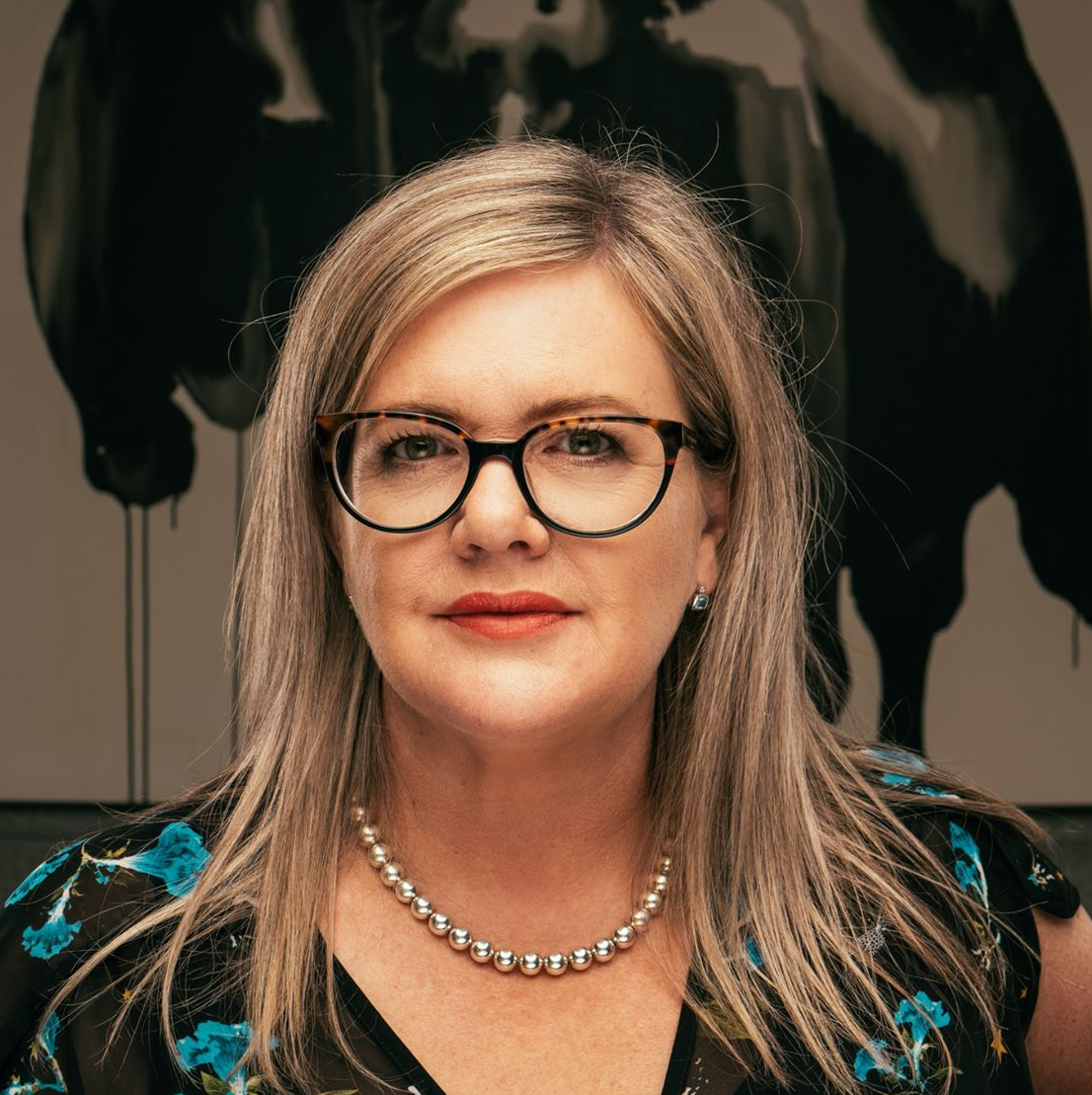
She is based in New Zealand but works with companies around the world.
Her passion is helping Entrepreneurs live their ideal lives & she works with entrepreneurial business owners & their leadership teams to implement EOS (The Entrepreneurial Operating System), helping them strengthen their businesses so that they can live the EOS Life:
- Doing what you love
- With people you love
- Making a huge difference in the world
- Bing compensated appropriately
- With time for other passions
She works with businesses that have 20-250 staff that are privately owned, are looking for growth & may feel that they have hit the ceiling.
Her speciality is uncovering issues & dealing with the elephants in the room in family businesses & professional services (Lawyers, Advertising Agencies, Wealth Managers, Architects, Accountants, Consultants, engineers, Logistics, IT, MSPs etc) - any business that has multiple shareholders & interests & therefore a potentially higher level of complexity.
Let’s work together to solve root problems, lead more effectively & gain Traction® in your business through a simple, proven operating system.
Find out more here - https://www.eosworldwide.com/debra-chantry-taylor
SPEAKERS
Justine Parsons, Debra Chantry-Taylor
Debra Chantry-Taylor 00:00
You reach out to me and ask for some help, but sometimes it's difficult to do that, isn't it, because there's something if you're asking for help that means that you're a failure. How did you overcome that?
Justine Parsons 00:10
I think I had no other choice if I didn't change. It was I only had myself to blame if things didn't change.
Debra Chantry-Taylor 00:19
I've got an AI advisory board, and it's made up of people like Elon Musk. And I have to say, I will just say this to everybody listening in, do not put Elon Musk on your advisory board.
Debra Chantry-Taylor 00:35
Welcome to another episode of Better Business, Better Life. I'm your host, Debra Chantry-Taylor, and I'm passionate about helping entrepreneurs lead a better life by creating a better business, because life is too bloody short. Today's guest is a long time client of mine. We've been working together for about five years. Throughout the US process, she built a very successful VA business with about 50 VAs and in fact, that was that was, that was 27 years ago, and she were probably the person who actually introduced the concept of VAs to New Zealand. She has, more recently, launched a new practice, and that is growing nice and steadily, and got a real focus on the future and where things are going. And her tagline is freedom to lead. And I can honestly say that she is living by that tagline herself. She is really, truly enjoying a better life by creating a better business. Today, she's going to share with you how you transition from being a manager to being a leader in your business, and the impact that can have both on your personal life, but also on your business as well. Justine Parsons is the founder of both your VA and the lever. Welcome to the show. Justine, oh, thank you so much for having me bank. I know that you're not a big fan of being on podcast so, but it's just two friends, two business colleagues, two friends talking to each other a bit of a conversation. So you have been on the show before, many, many years ago, and you talked about some of the stuff that you were doing with EOS and whatnot. Today, we're going to talk about a few different things, but I'd love for the listeners to first of all hear your story, because it's quite a unique story, and I think that they'd really appreciate hearing how you got to where you are now.
Justine Parsons 02:15
Okay, well, I started your vi 27 years ago. I had been made redundant while I was on maternity leave. We had a baby bills to pay, and I was thinking, What can I do? So I came across this virtual assistant site. It was in the US, and I thought, I can do that. So yeah, for the next five years, I tried to get that business going. It was tricky. New Zealand businesses was still in a place where they liked people in offices. No one had heard of your VA, and so I went through the Yellow Pages. Remember them emailing hundreds and hundreds of businesses just asking them that hea from what any need for one. So that business grew. It was me. I think we got up to about a team of 50, really successful. Me, not so much. I think when I met you, I was I was just done. We'd hit the ceiling. I was tired of being reactive. Just felt lonely, to be honest. And so we started working with you. Thank God, I think I begged you to help us and Eos, and having that operational system gave me that space to, first of all, to breathe on to fix or create a business structure that wasn't me, plus the team you encouraged me to get some leaders to join me, and we started to create a self managing business that was a real journey. Instead of feeling like I had freedom, I felt like I was no longer needed to a large extent. For so many years or 20 odd, my role had been to manage a team. It was a bit like, what do I do now? And I just felt lost and no longer needed. So I reached out to you, my beloved dementia, and I said, Debra, have you ever come across this problem? You know, where people successfully start to implement EOS. They give themselves structure, momentum, traction, um, and they don't know what to do, because their old role is. Isn't there anymore. And you really helped me. You helped me see that it's a journey. You helped me see what I had been doing for years as a leader. And I think like I thought that listening to podcasts, reading books was like blowing off world, you know, and you helped me. Debra, it was part of my new role as visionary to open my mind to new thoughts and ideas and and grow so. So that's my story. I am in being able to shift from manager to leader, I've been able to look forward instead of looking backwards. I've been able to create a business that runs for me, not because of me, and I have a better life being a business better life. Or a wise woman once, I'm so pleased. I mean,
Debra Chantry-Taylor 06:03
I remember that when that phrase kind of came to me, but I think there's six, seven years ago, when I first started doing Eos, I just kind of went, you know, that was what it was all about for me. So if you can create a better business, you do get a better life out of it. And I, I remember grabbing the domain and just going with it. And it's so true, right? It's like that's what we because we're on this planet to have a great life. Doesn't mean that we don't love business. I love business, but if it is all consuming, then you don't get to enjoy the other things outside of it.
Justine Parsons 06:29
I always ask new clients in our initial call what success looks like for them. And so many just talk about the business success. I love the founders who talk who bring in their personal success as part of that, I don't, I think they go hand in hand. I don't think you can have a better business at the sacrifice of your personal life. And what, what does get me is person refiners who talk about tomorrow, like, you know, I've just got to do this, this and this, and get our revenue to this, this and this, I'm plus learning, and then I'll be able to do this, this and this. And I'm like, tomorrow's a gift. It's not a given. If you and Dad, this is a lesson from my dad. He worked his butt off for years. He was a builder, and he finally him and mum bought a farm up north, and he was able to retire from building, and he got leukaemia, and passed within a year, and that's when we moved out here to where we live now, out of the city. It was like live life today and have a business that serves you doesn't suck from you. So, so it's my story. Then I
Debra Chantry-Taylor 07:51
didn't realise about that, about your father, I'm sorry to hear that, because the same thing happened with my family. You know my Well, my brother passed away at 44 so he never got to retire. And then, you know, mum and dad, they had always get was always like that, always sort of, but when we get to this, then we'll be able to do that. And by the time they finally retired, both of them were in ill health, and they didn't really get to do a lot of the things that they would have liked to have done. So we just don't know what life has got in store for us.
Justine Parsons 08:16
Yeah, so if I were pre holodoms a year, don't judge me, like we I have, if you ask me, what success starts like for me, personally, I'm there now business. I we are creating something that will be successful, but we're doing it the right way this time on EOS. That is not a sacrifice to my better life. Excellent.
Debra Chantry-Taylor 08:43
I'm pleased to hear that. So, yes, exciting. You are building something new. And I think you talk about freedom to lead, and I suppose that's what EOS gave you to do. It time to do was suddenly, yes, you lost your management role, but you became a leader, and from doing that, a new idea developed.
Justine Parsons 08:59
Right? Well, running on Eos, I had time to read on holiday, and I read, think it was a couple of years ago, Dan Sullivan's book, 10 times is easier than two times. Ah, and I saw me in all like the stories throughout the book. It was like my poor leadership team. I read them half the book in our level 10 meetings. I'm like, this was my idea, and with your VA, it was very much more, more team members, more contractors, more clients. We were like, feeding the machine with the lever. What we want to do is elevate what we do and where we can have the most impact on people's lives and businesses, and that's Gentile. So trying to reinvent the wheel,
Debra Chantry-Taylor 09:50
excellent, and I love the dun Sullivan books I remember. I mean, the 10x is easier than 2x but also the gap in the game, because I was thinking back to what you the way you just started. Of this story, the gap in the gain talks about the fact that, yes, we're always chasing, you know, when we get to this, when we get to this, when we get to this, I'll be happy. Everything will be fine. And it's like, actually, you may always measure backwards, you know, if you think about so 27 years you've been in business now, you know, if you look back in the last year and then the year before that, you know, how far have you come?
Justine Parsons 10:19
And I can be very gap. I get very impatient. I want things to move quicker. Clarity breaks till you taught me are really good, and I try to keep the gain very I'll always start a clarity break with what we've achieved in the last week or month or quarter and and go from there, because it's so easy to lose what you have achieved. I think,
Debra Chantry-Taylor 10:46
particularly as visionaries, we're drivers, right? And so we are, we're always and we're very, very hard on ourselves and the people around us, and I see this a lot with scorecards, is that that scorecards are designed not just to keep things on track, but also to celebrate success, and so we jump into the nitty gritty when it's off track, and we get right into it. But we often don't just have the little moments of like, hey, look what a great week we had. We achieved our sales target. Yay, high five. Go us, you know. And visionaries are terrible at that. Sometimes the leadership team has to kind of own that, because we just, we're just on the next thing already.
Justine Parsons 11:20
Yeah, when you do your personal and professional ones on each level, playing on it, but, Oh, that's lovely. Let's move on. I've got an idea.
Debra Chantry-Taylor 11:32
I'm sure you're not alone. We've just started running some some integrator masterminds for integrators and businesses. And it was really the first session was actually last month. To come to our second one, and it was really interesting, because we just got them to share a little bit about, you know, where they were at on their journey, and how things are working with their vision everything else. And I think that when you start to hear other people, it's like, Aha, I'm not the only one. Oh yes, it's not just me. And the same with visionaries for vision resisting into this podcast. We'll be sitting here going, Yeah, that's me. Come on, get over it. Let's move on to the business stuff. Brilliant. So it's interesting, because, you know, leading and managing, what do you think is the real difference between leading and managing?
Justine Parsons 12:16
I'll talk to my own experience. Managing, for me, is very reactive. Leading is proactive. So managing is making sure that the right things are down in the right way at the right time. And it uses the part of your brain that's that needs the details that needs to, you know, know exactly what's happening to have control leading. Oh my god, it's nice and day Debra, it's, it's, it's having the time and the space to think about these shiny, bright ideas to we've part of establishing the lever we looked forward at what was happening in the future, what was happening in the VA space, what's happening with AI, what our moat looks like. What can we be that AI can never take over? I wouldn't have done any of that if I was still managing a business, because I never had the time to go down these little power pieces. Yeah, the
Debra Chantry-Taylor 13:33
real rabbit holes. But some rabbit holes are good, right? You find some really interesting things down rabbit holes, yeah?
Justine Parsons 13:39
But my mindset was so bad, it felt like you shouldn't be doing this, you know, like Fridays now, like my AI day at play, I knock on a new tool and create a new leadership training and GPT. Or we've, we've actually got a custom GPT. Who's Do you know? Workman? Oh, really, yeah. And we use him for our cooling, planning those on, developing our scorecard, and that kind of thing. It's, he's really good.
Debra Chantry-Taylor 14:10
Yeah, I've got a I've got a few visionaries that I work with. I've got, like, a an AI advisory board, and it's made up of thing, people like Elon Musk. And I just say, I will just say this to everybody listening in do not put Elon Musk on your advisory board, because when he's when he sets 90 day rocks, they're like, bloody big, huge, massive boulders, not rocks at all. So it's not the ideal person to have when you're actually developing rocks and things. But certainly, yes, I mean, that's, that's the beauty of AI, isn't it? It's like you can suddenly have all these amazing minds and things all at your fingertips to help you develop the business.
Justine Parsons 14:45
So that, for me, is the difference being a visionary. You're looking forward, you're being proactive.
Debra Chantry-Taylor 14:55
So I want to take you back a little bit in your journey, because I'm guessing, in the beginning, you. Were that way inclined, because you were looking out there, looking at websites in the US, and going, Oh, vas, I could do that. So you were very much a forward thinker. And you, you pretty much introduced VAs into New Zealand. I think you're one of the first people to ever bring the VA, kind of into the New Zealand space. But then you must have got lost somewhere, right? Because you, when I met you, you were very much in the weeds. You were very much doing a lot of the day to day stuff as well as managing people. So how did you transition from that to being a leader again?
Justine Parsons 15:33
By getting outside help. It's never been something that I've been able to get internally, no matter how skilled my team. I can remember when I went from just me freelancer and again, got stuck, got overwhelmed, tired, my personal relationships were really failing, and I reached out to New Zealand business mentors, was that, and I got a mentor, and she helped me through starting to build a team. And I can remember her saying to me once, I was like, oh, no, my clients like to deal with me. They won't want to deal with anyone else. No one can treat them like I treat them. And she said to me, Justine, do you think the manager of telecom talks to all his clients? I'm like, Oh, okay. So she, she sent me a goal. She said, If you recruit one contractor by the end of think it was a month, she said, You can treat yourself. And she said, What will your treat be? What will your reward be for achieving this goal? And I was like, Ah, I'll have time to work on my website or, you know, fun stuff. And she said, No, no, something outside of business. And business was everything. That was all I did. I had no hobbies. I not like, don't get a spa treatment kind of thing. I couldn't think of anything. And that was a real aha moment that, you know, I had nothing outside of my business. And the further along, yes, I built the team hit my head on that ceiling again at the same time that you became my EOS implementer, and I was like, Can
Debra Chantry-Taylor 17:28
you help me, Debra? And that was the start of a beautiful journey. Yeah, it's been about five years like you actually one of my first clients after I kind of graduated from being an EOS implementing coaching for years, but Eos, but they really spoke to me, and I took that on board. And so it was great that we went on that journey together, but it was, it's, it's, it's interesting, because it's simple, but it's not easy, right?
Justine Parsons 17:52
It's hard. Yes, yes, it's simple. I think we started doing it on spreadsheets and, oh, and we had to come in and fix so many, Oh, guys, you're way off track here, even, even a school like IDs, you know, what's the real problem? Not treat the symptoms, not, not tend to our IDs with the solution, because I think I know all the solutions, even things like that. Yeah, it's really hard to do it really well, well,
Debra Chantry-Taylor 18:31
and it's, it's because I think it we can, we can read books, we can watch listen to podcasts, we can watch videos and things and that certainly can help. But it comes down to sort of working with somebody who's got experience in that. So they're actually teaching you from an experiential point of view, as opposed to just teaching you academically. And I had the same thing. I remember, I was a member of the entrepreneurs organisation many, many years ago, and one of the people in my forum, he was a young guy, and he decided he was going to leave the forum. Now, the forum of eo is like a peer group where you share experiences. That's all you do. It's not about you don't tell people what to do, and you shouldn't say you should. You're just like, in my experience, is what we did, and it's what worked, what didn't work. And he came to the team and he said, Look, I'm thinking about leaving. I just don't see the value in this. I can get all this stuff from podcasts and books and all the things online. And we're like, Okay, that's interesting. So like, okay, fine, if that's what you want to do. And he went away and he came back, he went, actually, no, it's not the same, because that is, you know, that is all just, it's sure, it's teaching, and yes, you can learn, but it's the real life experiences, I think, add the most value,
Justine Parsons 19:39
and being accountable to someone, it doesn't work well when you're accountable to yourself, and I can remember, yeah, like I respect you, I wouldn't want to let you down, so I took my poorly homework, but I'm I wouldn't share myself necessarily the same respect. So I. It's an accountability partner who, yeah, who keeps you focused on what you should
Debra Chantry-Taylor 20:06
be doing. Actually, it's true, because I must admit that I'm a terrible procrastinator. And so when I know my quarterlies are coming up, and I do that with a coach as well, it's like, Oh, shit. Got to get my homework done. Otherwise I trouble. Whereas week to week, I can just, I mean, even, even through my level 10 meetings, I fluff and go, yeah, yeah, it's on track. It's like, No, it's not. It's like,
20:26
No, it's not. It's nice. Can now you're not perfect.
Debra Chantry-Taylor 20:29
We're all we're all just human. We're all doing the best we possibly can. So you were able to transition to a leader because you actually had a leadership team that can help you. I'm really keen to explore because you've got an integrator in the business and you've got other people on the leadership team. How was that transition, and what's your relationship like with those other leaders in the business? We had a couple of false starts and Eos, the people analyzer, I
Justine Parsons 20:57
really helped us with that, because it's hard to argue with what's going on paper. Are they right people in the right seats? Do they share our values? Do they get like, want to have capacity for it? That was having that there, I guess, is like an accountability partner, because in the past, I would have made excuses. You know, they've been with us for 10 years. They're really loyal. They this client loves them, so I would have made excuses without putting the business first. So the EOS journey and shifting from manager to leader has been also about, like, pulling on your big girl pants, and, you know, not just doing the nice stuff
Debra Chantry-Taylor 21:48
and your integrator, I know her, Well, of course, she's, she's, she's your puzzle piece, right? She's not the same as you. She's very different to you. And that's really important, I think, because you want somebody who is not going to be just a yes person, tell us a little bit about that relationship.
Justine Parsons 22:04
So I think I said to her about a year ago, I said, so I've got this idea. And she said, What is it? And back then, it was still your VA. I said, there's no books out there about transitioning from a VA to a virtual business manager. That's right. Wayne, and she said, That's a great idea Justin, but it's not on our rocks or VTO for this year, so let's just cancel it down and we'll come back to it. She helped me prioritise what's important. We've never written the book, but we've worked on things like creating our flywheel together and documenting our core processes we complement each other. I'll have the ideas. She makes sure that they're the right ideas, that puts them on paper so that they're not just highs in the sky. Yeah, I love it, yeah. I love
Debra Chantry-Taylor 23:01
it, yeah. And that's the perfect kind of relationship. I mean, I think that was probably one of the things that I really loved about Eos, was that whole visionary integrator, first of all, the concept, because I think that most of us, in you and I the same, when we built our businesses, we actually had to wear both hats, right? Because when you first start out, you've got to be the vision, read, the person pushing everything forward, big ideas, big relationships, but you're also the person managing the day to day and making sure everything is running and doing all of the the integrated type stuff as well. And it's hard because they're two very, very different skill sets. And whilst we can do it, we're usually naturally one or the other. And so when you find somebody who can be your and they do call it the puzzle piece. Geno does you the puzzle piece that actually kind of complements you, who's different enough that they will challenge you, that they will push you, but can work to almost overcome your own weaknesses. It's, it's genius, right?
Justine Parsons 23:56
It's, it's genius, and because you build a visionary will give an integrated they will push them as well and help you improve each other, but it's got to be a relationship based on trust and Respect. Iron, yeah for them, yeah, for them to feel safe, to challenge me, you know, and say that's not the best idea right now. Justine or
Debra Chantry-Taylor 24:33
it's a bright it's a brave woman that does that.
Justine Parsons 24:37
I'm, yeah, I'd still need to work on my listening skills, but I have a leadership team. We have Sue, who's our integrator, we have mine, who's our finance manager, and Leanne is our experience manager. I trust them all, and I know they're all coming from a place where they want this business to be a better business. And which has lowered my this is my baby kind of thing. There's none of that anymore, but it has been a journey. It's true.
Debra Chantry-Taylor 25:08
Actually, I've seen it with other EOS clients, is that, you know, they may have had a leadership team, but they hadn't really given them full accountability and actually allowed them to step up. And as we go through the process and we teach them about what leading and managing is all about, and we see them really step into true accountability and taking on board those roles. It does it. But you can see immediately, I see thinking one part in particular here in Melbourne. You can see that in the beginning, he was so nervous about letting go because it was his baby and he was the only person that could do it. And now he's a different person. He comes into the session is beaming, and he's got a team that genuinely wants to improve the business, wants to make more profit, wants it to be sustainable, wants it to grow. And so he's no longer the only person who is now wanting all of that. He's got the whole team behind him who are on on the same journey and wanting to do it, because they understand how they fit into that, what impact they have, what it means for them if it's successful, it's just it's beautiful to see. Yeah, and you Yeah, I don't think I've seen that
Justine Parsons 26:09
as much outside of using EOS. EOS gives you the framework to support that, and I don't think you can trust your leadership team if they're not the right people, because I've had not the right people, and it's and I've, like, ignored red flags or instincts in my head and thought, Oh, I know. I'm just not being good at letting go, and that hasn't been the case. So yeah, trust your instincts and get the right people.
Debra Chantry-Taylor 26:40
Yeah, yeah, it's absolutely true. Because if you, I think, if you're if you're worried about letting go or you're micromanaging somebody, it probably means the person's not the right person. So listen to yourself, and don't doubt yourself. I'm going to go back at the beginning of the podcast. You know, you said that you reached out to get some help from business mentors, and you reached out to me and asked for some help. But sometimes it's difficult to do that, isn't it, because there's something, I think, particularly in New Zealand, but also a bit in Australia, as well as if you're asking for help, that means that you're a failure. And so, you know, it's not easy to actually do that. How did you overcome that?
Justine Parsons 27:14
I think I had no other choice. If I didn't change. It was I only had myself to blame if things didn't change with you, it was easy because I'd known you for years. I think we'd first work together as you were a client, and then when we became friends, and you'd been an advisor for years, so I trusted you and respected you. I think trust pays a huge part, but it's something that takes time. So you, I would say, reach out to someone outside of your team, whether it's a mentor, an advisor or an implementer, or someone like us, and have the framework where trust builds. You know, Don't set yourself up like I've got to open my dressing down and the kids rather now, like kind of thing. You know, it's very great to build trust and to Yeah, and to grow on that and let go.
Debra Chantry-Taylor 28:19
But I know that the work that you're doing now with the lever, which I'm going to ask you to explain a bit more about in a moment, but that is really about helping people as well. And I think that you know the target audience that you help, it's it's difficult, it's difficult to actually admit that you're maybe not coping and that you need some help. So tell us a bit about the lever. Let's start with that. Tell me about what the because the leave is the new iteration of your business. Our next chapter, next chapter, 10 times
28:49
at the lever. We help the past me. We help
Justine Parsons 28:56
founders or leaders who from necessity. When you start a business first 10 years, you often do have to wear all the hats. It's a part of knowing your business and you know, running it, we help people when they have hit hit that wall and they need to start making that shift from a manager who's overwhelmed and can't look forward to having that freedom to lead. I met with a husband and wife team who are now creative agency and Melbourne, they help a lot of not for profits with their campaigns, and they their plan had been to grow their business and then 10 years, sell it and retire. They were fairly young, but they got to a stage where they couldn't even see making another 10 years. She she said to me, I think we're broken. I don't know if you can help me. I. But worst, worst of all is it is the guilt language, and I think I have none of it when I talk to you, Debra, it's like it's your fault and it's not. It's just a case that your business is outgrown how you're running it. And that's where we come in. We have our business operations managers, and they sit down come up with a roadmap that lasts for the next 90 days, but they also help execute it with our team, where different resources are needed. So we've got that tech support, graphic design, bookkeeping, that kind of thing that supports our business operations manager, helping that client, but we become their partners in their business. We're not consultants. We're we get our email address with their domain and that kind of thing, we stand by their side. And that's that's something I had with you and with a mentor in the past, but yeah, that's what I'm really passionate. I don't want any men or women whose personal life is failing because their business comes first and and just growing out of love with their business.
Debra Chantry-Taylor 31:22
It's funny, isn't it, because I think that when you came to me, you were falling out of love with your business. And I've had a lot of clients who come to me, and it's either, yeah, they're falling out of love with their business, or they're concerned about their relationship, because often husbands and wives work in the same business together, which can be challenging, so the least. But also, I mean, I was talking to on a couple of podcasts, that I was talking to a psychologist who actually specialises in marriage counselling. I suppose it is on marriage, you know, so helping people who are entrepreneurs how to make sure they still get the most of their relationship. Because as driven entrepreneurs, we have a little bit of a tendency to kind of go hard out all on one thing, which is you to the business. And then, of course, if you think about the different balls that we have, you got your family, you got your health, you got your friends, you got your business. Because we put so much time and effort into the business, the other ones tend to fall, to fall aside. And it can be, gotta be very careful, because if you drop them, sometimes they just break and you can't get them back.
Justine Parsons 32:17
Yeah, and you, you tell yourself, you're doing this for your family, you know, and I shared a story with you before we started recording about Dad. And when we meet a new client, I always ask them what success looks like. And I'm I love it when I hear personal success in there, but most often it's about the business. And dad was a builder, and he he was best dad, like we had a really good childhood, but he worked. He worked so so hard, and they finally got to a point where they bought our son up near fungi Ray. They were farming cattle, and he could retire from building. He was so happy. And he got leukaemia and parts within a year. And at that stage, Rick, my husband and I, we were like, we'd bought a place out here in ire which was about an hour south from Auckland, and we were going to move out here when the time was right. Kind of thing, we just moved Tomorrow's a gift, not a given. And if you keep putting things off because you've got to, you know, build your leadership team, or just get this going, or just land this client is always something, no,
Debra Chantry-Taylor 33:43
that's absolutely right. Life is too short, is what I always say. Like, life is too bloody short is what I hear you say. It's too bloody short, because you just never know, as you said tomorrow, that absolutely a gift. And you can't, you know, you can get yourself out of this. This is the thing is, I think sometimes when we're so caught up in everything that's going on, and we feel completely overwhelmed, and we're we're so tired of it all, we just don't think there's a way through it, but there is the genuinely is, and it's really about reaching out, asking for help. And that help comes in many different forms, but asking for help so they can actually start to get back to what's important. I don't know, you know, we talk about clarity breaks. I have to say that I used to them about once a month. And since coming to Melbourne, because of a lot of the changes that gone in my life and in my business and whatnot, I've actually started doing a weekly hyperbaric oxygen chamber and using that time in the oxygen chamber to do a clarity break, usually 60 to 90 minutes a week. And it has just been, I think, life changing, because you kind of go, but I'm too busy to go and do 90 minutes, you know, doing nothing, and yet that 90 minutes, I find it fascinating the way my brain works. But you know, 90 minutes of with no technology, nothing but a pen and paper and having to be with yourself is confronting, but it's also, as the name suggests, the clarity that comes from those breaks is just phenomenal.
Justine Parsons 35:00
I was a bit dubious about clarity, right? No, there was no, there was no question for you and me to answer. And we, we talked about the gap in the game and how important it is to be aware of the game, not just focus on the gap I wrinkle into my clarity breaks how far we have time. And you know what we're celebrating, and that's Eos, isn't it? I mean, every level Gen starts with a personal and a professional one,
Debra Chantry-Taylor 35:36
because we never we're so hard on ourselves, we often don't do that stuff, and it's really important, yeah, as I lived short, and I've got to make most of it, I was, I'm just looking, seeing here, looking. I actually, I went to the look at this, went to the AC DC concert last night. These are my AC DC horns, because that was actually on my bucket list, was to go to the MCG and actually do a concert at the MCG, and I've seen ACDC several times, and I can't help myself as an entrepreneur, thoroughly enjoying myself, screaming way too loud, you know, singing along to every single thing, dancing around, having a great old time. But I was also thinking, you know, running a band is a little bit like running a business, because Angus, the guitarist who, by the way, 70 years old, lead singer, 78 years old. I hope I have as much energy as they do at that age, because they are so passionate about what they do. But you know that he is actually leading the band. He's giving them timing advice. He's, you know, he's, he tells them where to stop. He's kind of like the the orchestra, the conductor, if you like. But I was also thinking, You know what they do really, really well is they just do what they're really, really good at, which is play the guitar, sing music, entertain, and then everything else is done by other people around them. If you think about it, you know they don't they don't book the venue, they don't print the T shirts, get the horns made. They don't do any of that stuff. They really are masters of delegate and elevator, they are just doing the stuff that brings them true joy.
Justine Parsons 37:05
Yeah, yeah. Imagine if the lead singer also played the guitar and the drums, yeah.
Debra Chantry-Taylor 37:11
Or was the one stumping your tickets as you come in, or scanning the QR codes, or whatever it might be, or make sure the lighting was right. And people can say, oh, yeah, but that, you know, they've got millions, they can afford to do that. But, I mean, even I was thinking, I was because I can't help myself, my brain always goes into open I was thinking like, well, when they were starting out, there would have been a small band. They would have been very well known. They still probably would never have tried to, like, they wouldn't. They wouldn't go out and buy a venue or rent a venue. They would, they would have other people sort of organising that for them. They probably wouldn't do their own lighting. The guitarist wouldn't try to do all the different instruments. It's like, I'm a guitarist. That's what I'm really good at. So right from the beginning, even when they were not as huge as they are now, they still were very good at kind of going, this is what I do, and what I do really well.
Justine Parsons 37:55
And as you think about it, the values have to align. You have to have right people in the right seats? Yeah, so it's a good analogy. I'm always thinking, because I
Debra Chantry-Taylor 38:06
always say that business to me is just like one big game. And you know, games, we enjoy playing games because we know how to win. We know what the rules are. So we know how to score a goal if it's if it's football, for example, we know how to score a point if it's tennis. And because we're very, very clear about what those rules are, we know how to win. We enjoy playing it, because we know what it takes to win. And then when we do win, we celebrate. You know, when you score your point is, yeah, and I think business is exactly like that. It's like if you can get those rules and those guidelines really, really clear, everybody knows what position they play in the sport, whether that's in tennis, when you're playing doubles, or in a football pitch, when you've got, you know, different roles on the football pitch. So we've got the rules of the game. This is how you win. This is the role that you're playing, and this is, you know, what you need to do in order to help the team succeed. And then we get to celebrate success. That's just business, right?
Justine Parsons 38:55
And being conscious of the wins and celebrating them. I had a zoom catch up with this same agency couple that I told you about, and yeah, and it started all we haven't done this, and we haven't done this. I feel bad because, you know, we're not able to do this for our business operations manager. And I said, See, I've learned from you. I said, Tell me. Tell me, tell me two wins each, and I couldn't shut them up. It's just that different. Like, seriously, 10 minutes for her, and it's like we've recruited this new person, and all we had to do was show up for that interview, and we've got our onboarding and, and, and it's just a shocked on mindset, isn't it, from positive to yeah to positive.
Debra Chantry-Taylor 39:49
So it sounds like you've saved their marriage and their business as well, which is fantastic, because doesn't that make your
Justine Parsons 39:55
heart sing, that the best couple, yeah, both support each other. I couldn't
Debra Chantry-Taylor 39:59
do it. Where you and Rick working together? I think it takes a very special kind of couple. I can't imagine me having done that with my ex husband,
40:12
either. But anyway, yeah,
Debra Chantry-Taylor 40:15
we can see it in you, in terms of you've gone from being a manager to being a leader, and that's fundamentally change the way you live your entire life. And that's what you're about to is about helping people to get that in their own business,
Justine Parsons 40:27
to get this report to, not to use your phrase again, but better business, better life, because everyone deserves it, even when you are hustling, you still, I've reached out to people to get support. You know, at different and each, each time I've done that, it's meant a 10 times shift with Eos, and I wouldn't be clear talking to you now about what we've achieved without that.
Debra Chantry-Taylor 40:57
And a good plug for Dan's books. I mean, Dan Sullivan's a fantastic writer, and I mean that 10 at 10 times is but it is easier than two times. That's a great book, the gap and the gain. He's got so many great tools, who not how? Who not how that? Gosh, yeah, that's right, that's one of my favourite ones. And they all kind of dovetail beautifully into the EOS model, because the EOS model is your framework, and then these are almost like the little extras that help to really fine tune and speed up that process within those six key components,
Justine Parsons 41:22
your business isn't broken. You just need the framework so that it works without you not saying it doesn't need you, but it doesn't have to turn you there every day and the right people who can, yeah, but, but I don't want to hear anyone saying I can't be helped or I'm broken. It's not a personal filing. It's the business model needs, you know, and like, a cylinder put on it,
Debra Chantry-Taylor 41:55
well, yeah. And I always, you know, I always start all of my EOS sessions with, you know, we get taught that businesses grows in this beautiful kind of, you know, the classic es, but that beautiful growth, and it's all smooth and it's a beautiful ride up. And I have never, ever in my 55 years, been in a business where life was like that. You know, there's always going to be times that as the business grows, different stages, different things happen. And not just the business, but personally, as we grow as people, there's different points in our life where we hit the ceiling and we just kind of can't get past it. And so it's not a failure, it's just another iteration. We've got to keep iterating. And kind of, you know, what do we do now? What got us to this point, and also, who got us to this point may not get us to the next level as well. So we have to be very clear around where do we want to go, and what can we do to make sure we've got the right people in the right seats, with the right vision, with the right strategy to actually get on and do it.
Justine Parsons 42:46
None of our clients could have helped themselves. I couldn't have helped myself. Sometimes it needs fresh eyes. Sometimes, I mean, I like, poured my heart out to you when we started on our ers journey with just, you know why I needed you? And you helped me see it wasn't a personal phone. It's a business thing, which I keep coming back to because I keep hearing it's a personal thing. You know, I should have done this, or I'm not doing this, there's reasons for it. So having someone to support you, to listen to you, to push you and challenge you, is everything I know.
Debra Chantry-Taylor 43:35
I mean the beginning you reached out to me. But there was also a time, kind of midway through this five year journey that we've been on where you had another bit of a sort of tell us about that wobble quickly.
43:48
Well, we were running on EOS. I had a leadership team, which
Justine Parsons 43:56
like gone gangbusters in terms of growth, but I was feeling irrelevant and not needed, and what is my role? Now, you know, I was very conscious of trying not to undermine any of our leadership team, or, you know, stick my sticky nose in there. But I'd been doing that job for so long I didn't know what I should be doing. So yeah, I said, Debra, have you ever come across this or what am I broken and and you helped me. You helped me see that it wasn't just me. I wasn't the only one, and it's just another part of that growth curve is a business owner that I didn't even see coming. And it's funny, isn't it?
Debra Chantry-Taylor 44:45
So again, as entrepreneurs, we always kind of take it back as a failure. There's something wrong with me, and it's not. It's just another, another iteration in the journey, another little thing to actually free you up. I mean, that's what it actually did, was it freed you up, but you didn't know what to do with that.
Justine Parsons 44:59
Freed. Of No, and you were like, it's okay to read books, and it's okay to, you know, have half a day where you don't have anything that you're going to do, and you can just sit there and have ideas and, you know, play.
Debra Chantry-Taylor 45:17
It's where we add the most value, because we beat ourselves up because we think, you know, yes, reading a book or taking time out. I mean, I'm I'm doing a lot more of it now in Melbourne, I work really, really hard for several days in a row, and then I'll take a day off, and I'll just go and walk the dogs, and I'll go into my oxygen chamber, and I will do something kind of fun. And then you think, Oh, it's a Friday. I really should be at work, because you don't Monday to Friday's work days. So, but this, that was the time, or that is the time when a lot of those really great ideas start to formulate, and you have time to think about it, and you start to explore different things. Because if you're in the day to day weeds all the time, you can't lift yourself above it to have that clarity and visionaries, we need time to work on new ideas to think about new things.
Justine Parsons 46:02
Well, our business deserves that. We're the visionaries to protect and lead with the vision. If, if we're managing our business, the vision gets lost. So there's no school with moving. I'm a bit like you like I've got a busy week this week. I was a bit nervous about doing this cold car. So Friday, I was like, right, I'm going to go in the garage for the day with my dremel. No people, no zooms. And I just took the day off. I think Dan Sullivan called some freedom days, and it felt so good, just to you know, it wasn't a holiday. It wasn't a planned I was just like, I've done all my work. I'm gonna go to my happy place for a day. Yeah, I couldn't have done that five years ago. There would have been, you know, gonna get this to the client for this, or like, you know, oh
Debra Chantry-Taylor 46:58
my goodness, it's so I'm so proud of what you've managed to achieve. And I'm so pleased, you know, I see how the leadership team now supports you. And you've got somebody, yeah, they've got people who've really got your back, which I think is really cool for people listening in, who might be thinking, oh gosh, I'm feeling a bit stuck. I'm listening, I listen to this, and going, Yes, I probably need some help. What would be your kind of three top
Justine Parsons 47:16
tips or tools for them would be to recognise that the transition is a journey, not a failure. Working through Eos, like getting my head around Yes, we did need a leadership team. Debra's right, and yeah, and just knowing that, listen to yourself if you're feeling friction, it's just because you're learning something new, and you gotta be kind to yourself so that not to put too much pressure on yourself. And in hindsight, I wish I had been easier on myself through the journey. Yes, the second tip, I would say, is to trust yourself so balance your instinct with empowerment. And again, it's like, don't make this same mistakes I did and I ignored instincts and red flags, thinking, No, this is just me being uncomfortable, stepping aside. Yeah, yeah, you've built your business. You You know your shit. If something feels off, pay attention to it. Yeah. And I think again, you might have helped me once or twice on those little points. And the third one, the obvious one, is get external support, get the experts, someone who can help you, someone who can make you feel that feeling of relief, like we've got this. So, yeah, that would be my biggest tip if I hadn't them, had you and before that, my mentor, I don't know where I'd be, probably divorced, probably with a daughter who wouldn't talk to me. Oh, I'm so happy Debra. I'm I'm running a business I love, and living a life where if tomorrow isn't here, I'm okay with what I've done today.
Debra Chantry-Taylor 49:28
That is absolutely beautiful. Hey, look. Thank you so much for sharing your journey, sharing your experiences. I think it's Yeah, but those tips are just great, you know. So be kind to yourself. Trust yourself. It is interesting. I also think trusting yourself is about don't get the I think the peer pressure or listening to what others are doing or comparing yourself is can be really dangerous, because I got told, you know, I really shouldn't be doing as much travel as I am. Like I should have all my clients in my own backyard, not travelling where and. To Perth and to New Zealand or to Melbourne. And for a long time, I thought, yeah, no, I've got to do that. And I thought, no, actually, I enjoy travelling. It's actually part of who I am, and I really, really love it. And so why would I want to not travel when that is part of what I love to do? And so the part of that is that, you know, trusting your I should have trusted my own intuition. That's, that's what I enjoy doing. But we get forced into what we think things should be like, or what people tell us they should be like, whereas we actually we know. We know deep down inside what makes our heart sing. Yeah. And then, of course, yeah, getting external help. I mean, it's sometimes hard to ask for help, but I tell you what it can it can just be a game changer. Yeah. Hey, Justine, as always, love talking to you. Absolute pleasure. Love working with you in the team, and thank you so much for your time. We're going to put Justine's details in the footnotes along with links to the lever and whatnot. So if you want any help, I know Justine is just like myself. Help first. She will absolutely do anything she can to help you. So please do reach out to her if you need some help, absolutely.
Justine Parsons 50:57
And thank you for having me on there. I'm not the best podcast, but if I'm gonna do one, I'd rather do it with you.
Debra Chantry-Taylor 51:05
It was a very Don't, don't undersell yourself. It's a pleasure to talk to you, and you have lots of wisdom there, so I wouldn't undersell yourself. You've done great. Thank you. Thank you.


