David Hori: The Right Time to Start Exit Planning Is Now
In this episode of Better Business, Better Life, Debra Chantry-Taylor is joined by David Horry, a business acquisition specialist who has led and supported multiple successful exits, including a sale to Toyota.
















In this episode of Better Business, Better Life, Debra Chantry-Taylor is joined by David Horry, a business acquisition specialist who has led and supported multiple successful exits, including a sale to Toyota.
David unpacks why exit planning is not a future event but a leadership discipline that needs to start early. He explains how strong teams, clear processes, and transparency create real business value and allow a business to operate without its founder at the centre. Drawing on his experience across VC-funded startups, acquisitions, and exits, David shares practical insights into building businesses that are genuinely exit-ready.
The conversation explores the role of EOS in reducing owner dependency, the importance of involving the leadership team in exit conversations, and why understanding valuation drivers early gives owners more choice and control. David also shares details of his upcoming webinar series designed to help business owners navigate exit planning with clarity and confidence.
This episode is essential listening for founders who want optionality, continuity, and a business that can thrive beyond them.
CONNECT WITH DEBRA:
___________________________________________
►Debra Chantry-Taylor is a Certified EOS Implementer | Entrepreneurial Leadership & Business Coach | Business Owner
►Connect with Debra: debra@businessaction.com.au
►See how she can help you: https://businessaction.co.nz/
►Claim Your Free E-Book: https://www.businessaction.co.nz/free-e-book/
___________________________________________
GUEST'S DETAILS:
► David Hori – LinkedIn: https://www.linkedin.com/in/iamdavidhori/
►Topline Operators – Website: https://www.toplineops.com/
Episode 257 Chapters:
00:00 – Introduction
00:47 – Introduction and Overview of Business Outcomes
01:23 – David Hory’s Background and Expertise
02:39 – David’s Journey from Law Firm to VC-Funded Startups
05:28 – The Importance of Processes and Systems in Scaling
07:15 – Scaling and the Theory of Constraints
08:09 – Factors Influencing VC-Funded Business Success
10:16 – The Role of Transparency and Team in Exit Planning
14:11 – David’s Experience with the Toyota Exit
16:21 – Key Considerations for Business Owners Planning an Exit
26:16 – David’s Tips for Business Owners Considering an Exit
33:54 – David’s Upcoming Webinar on Exit Planning
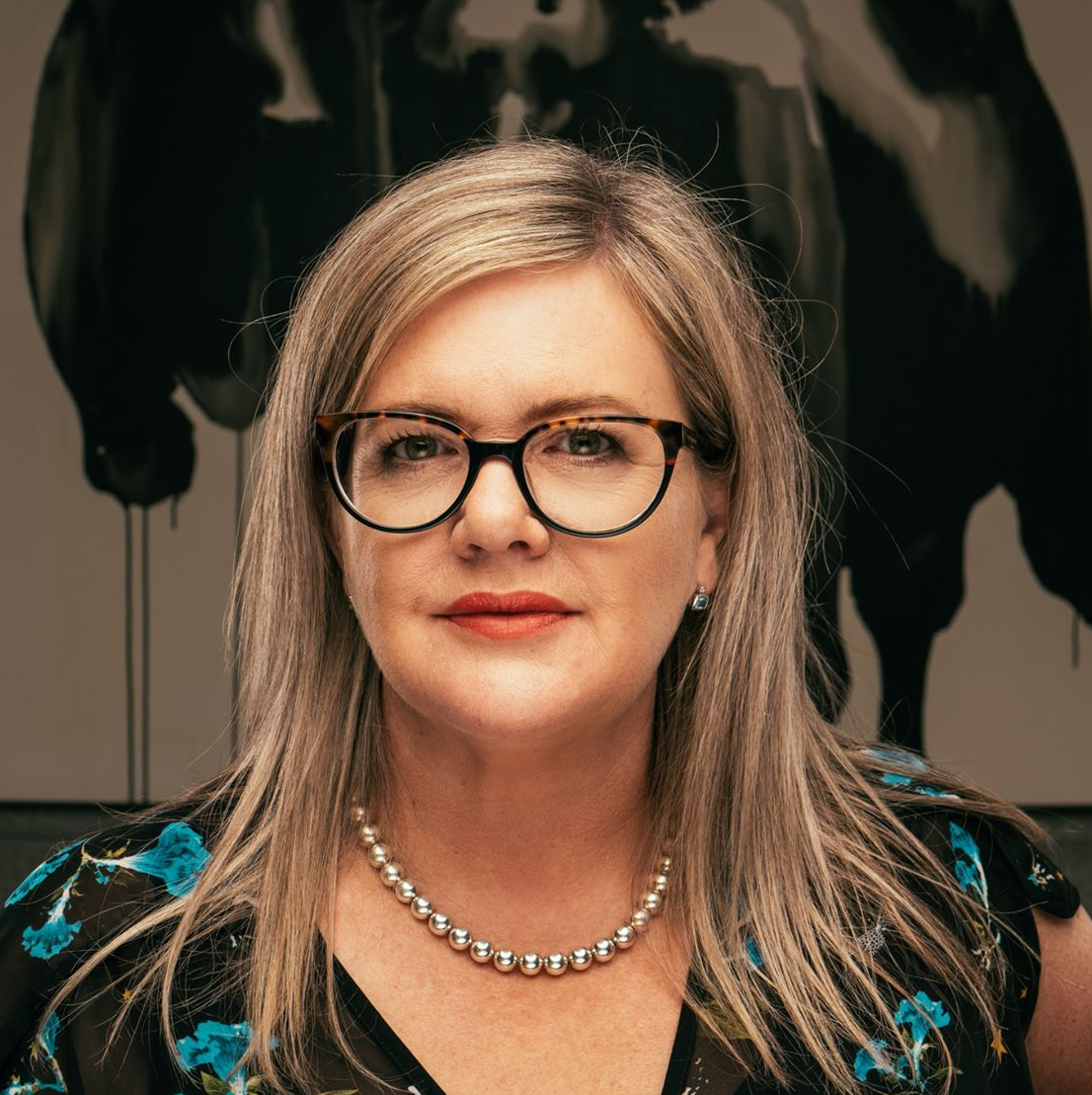
She is based in New Zealand but works with companies around the world.
Her passion is helping Entrepreneurs live their ideal lives & she works with entrepreneurial business owners & their leadership teams to implement EOS (The Entrepreneurial Operating System), helping them strengthen their businesses so that they can live the EOS Life:
- Doing what you love
- With people you love
- Making a huge difference in the world
- Bing compensated appropriately
- With time for other passions
She works with businesses that have 20-250 staff that are privately owned, are looking for growth & may feel that they have hit the ceiling.
Her speciality is uncovering issues & dealing with the elephants in the room in family businesses & professional services (Lawyers, Advertising Agencies, Wealth Managers, Architects, Accountants, Consultants, engineers, Logistics, IT, MSPs etc) - any business that has multiple shareholders & interests & therefore a potentially higher level of complexity.
Let’s work together to solve root problems, lead more effectively & gain Traction® in your business through a simple, proven operating system.
Find out more here - https://www.eosworldwide.com/debra-chantry-taylor
SUMMARY KEYWORDS
Exit planning, business value, team processes, VC funding, scaling, EOS implementation, transparency, executive team, acquisition, business systems, valuation, owner transition, business broker, exit strategy, business growth.
SPEAKERS
David Hori, Debra Chantry-Taylor
David Hori 00:00
There's kind of only two outcomes for a business, you sell or you close, and so if you're not planning on just shutting down the doors one day, is a good idea to start putting in place this plan and talk about it. There's not some dark competitor looming in the darkness waiting to take your idea and out execute you and your ability to build often, what I found is if you even gave them your exact playbook, they would still struggle to implement it. One of the things that is going to be most critical in creating value in your business and ultimately enabling you to step away from your business. No surprise, is putting in place, first the team and then the process for that team to run the business without you.
Debra Chantry-Taylor 00:47
Welcome to another episode of Better Business, Better Life. I'm your host, Debra Chantry-Taylor, and I'm passionate about helping entrepreneurs create a better life by creating a better business. I'm a certified EOS implementer, an accredited family business advisor and I work with business owners and their leadership teams to put in place simple, pragmatic tools that bring their systems, their processes, their people, their data, all together to create a better business and to enable the owner to let go and get back to doing what they love. My guests come on through the show to share the highs and lows of entrepreneurship, and sometimes I bring on experts who are going to share their expertise in the entrepreneurial space. And today is one of those days I have got a guest today who has worked with VC funded businesses to help them prepare for sales. He's been involved in three exits, including one exit to Toyota, and he now buys businesses and helps owners think about their next step. Today, he is going to share with you when you should think about exiting your business, and what are the thoughts, the decisions, the processes you should go to in order to enable that. I'd like to introduce to David Hori, who is in the business of buying businesses through his company, top line operations. So welcome to the show, David. It's lovely to have you here.
David Hori 02:08
From the other side of the world. It's lovely to be here. Thank you for having me. Now.
Debra Chantry-Taylor 02:11
We just had a quick chat before we came on the podcast, and I'd love for you to share your story with the listeners in terms of how you got to doing what you're doing today, and how you got to be who you are, absolutely.
David Hori 02:22
So I guess that the high level overview is for the last we'll call it. 10 years I've been in the world of helping mostly VC funded founders build their companies from scratch. And so at the point where a founder has an idea and people have agreed it's a good idea, and they're gonna give a lot of money to that towards that towards that idea, they would connect with me, and I would do a lot of the hiring of that initial team and putting in place process and systems to enable those people to do what they do best. And God's blessed me tremendously in that in the last 10 years, that's resulted in three exits, and the last exit was a great experience. We exited to Toyota, and I got to transition everything into a Japan based company, which was a wild learning experience and opportunity. I realised I want to build for myself. It's been great building on other people's vision, but now it's time for me to build for myself. And so for the last couple of years, I've been looking at buying businesses, and that's really my focus these days. And along the way, I've had the opportunity to coach a couple of different business owners, because scaling is my expertise, and sometimes they just need a little bit of a different playbook. And some of the things I've learned along the way the hard way, and I'm happy to share that with owners. And I think I've mentioned this Eos, I wasn't aware of it when I was building these startups, and then I read traction, and I realised if only I'd read this sooner, it would have saved me literal months of my life, and it's been borne out through my experience in the trenches.
Debra Chantry-Taylor 03:57
So that's that's a little backstory, beautiful, but I'm going to actually go back a little bit further some. How on earth did you even get into VC funded businesses? Like, what is your your upbringing you or how did you get interested in business?
David Hori 04:07
Sure, so I guess I'll start with my first corporate role was in a really big global law firm, and it was a tremendous opportunity to work with really motivated, intelligent folks and on a global platform. But what I found is that they weren't on the bleeding edge of technology. We'll just, we'll just call it that. And also, when I had ideas, they would acknowledge it. They say, That's a great idea. Are any of the other law firms doing it? Because if they are, then we know you're onto something, and it crushed me to think that somebody else might realise it and enact before we did. And we were just never going to be at the at the forefront of thought leadership from an organisational perspective or a process perspective. They wanted to do things that have been proven by others. Years, and so that led me to work for progressively smaller, faster companies. I went on to work for our smaller, publicly traded company, and did a brief stint at Microsoft, and then got an opportunity to get into VC funded startups, whether that's the Wild West and you can throw things out there, test it, validate it, and iterate really quickly.
Debra Chantry-Taylor 05:19
Beautiful. Okay, that's great to hear. It's a law firm that's a little bit different to what you're doing. What you're doing these days, that's for sure. Indeed. Yeah, okay, so you mentioned that, you know, you've had three exits, one to Toyota, and you wish you had found the traction book a whole lot earlier. What? Why is that like? What was it about traction that you that grabbed you and sort of made you think, Gosh, this would have been great to have earlier.
David Hori 05:40
I think, you know, I came, you know, up through the ranks of more of an HR background. And so when I saw a challenge, my bias led me to conclude, oh, you have a people problem. And that's often still a conclusion. And what took me a longer time to realise is how complementary bringing processes to bear is to really scaling things quickly. Like, yes, it's important to get the right people on the right seats, but the process also is what really makes those individuals maximally capable and effective in their their zone of genius and and that's something that I just kept butting my aisle. Maybe it's not the right person or but we weren't really enabling them with the right process and systems. And so I think that was the missing piece for many, many years that I just had to learn the slow way Fair enough.
Debra Chantry-Taylor 06:27
And I think you're absolutely right. I mean, people are very, very key part, and a lot of stuff does come back to people, but if you're not supporting those people, you're setting them up for fail. I've just, it's interesting talking about scaling, and really delve deep into your version of you know what you think scanning is all about. But I've just been reading the book by it called The Science of scaling, by Dr Benjamin Hardy. And I think it's really interesting. When you start really looking at it, any business actually has the ability to scale. It's just about being Oh my goodness. So you go for those who can't see the video, David has just put the book up there in front of me. I'm a big fan of Dr Hardy, and, yeah, that's a book that I changed my way of thinking as well, which is really interesting. So, yeah, so tell me a little bit about your version of you know, what is behind scaling? Because I do believe anybody can do it, but there are some certain things you have to have in place in order to do that. Sure.
David Hori 07:17
Yeah. I mean, scaling, to me, is really about the theory of constraints. And if you haven't encountered that idea, it's really just talking about identifying bottlenecks in your business, and then the next level is identifying where the bottleneck is going to appear. Because you're never going to completely resolve bottlenecks within your business. It's just going to shift it to a different aspect of your business. And so then scaling becomes getting better at recognising opportunities to increase throughput and do that faster and be planning for the next stage of growth. And that enables step function growth instead of these kind of more incremental steps. Perfect.
Debra Chantry-Taylor 08:02
Okay, so when you're looking at a business and trying to decide whether or not it is worthwhile scaling, I mean, you've already got the VCs who've invested, so there's probably something there. But not all VC firms succeed, though. I'm guessing is there a percentage of firms that sort of really go well with VC funding and some that just don't?
David Hori 08:21
I haven't really thought about it. I think if we knew that with certainty, we should start a VC, you and I. But no and often, I don't think that scaling is actually the deciding factor, probably the top factors in ultimately, whether a VC funded business is successful or not. You know, I think there's this fear that if we don't grow fast enough, somehow the competition's going to outpace us. And in my experience, that's the exception, not the rule is not, there's not some dark competitor looming in the in the darkness, you know, waiting to take your idea and out execute you and your ability to build often. What I found is that if you even gave them your exact playbook, they would still struggle to implement it. And so can we just get really good at implementing what we know and what's up working? Let's double down on that. We don't have to get super creative and completely reinvent the wheel. There are, and I think EOS is a great example. This time tested systems and processes that you can implement that are going to give you results, if you stay the course and continue to measure it and adjust accordingly.
Debra Chantry-Taylor 09:31
That's a really good point, and it is interesting. As an EOS implementer, what I see is a lot of people, they take the basics of traction or Eos, and then, of course, they want to play with it. They want to, they end up over complicating it. And it's like, if you just actually stick to the basics, you get the results that you need.
Debra Chantry-Taylor 09:47
Yeah, don't reinvent it. It's been used by, you know, hundreds of 1000s of businesses. Been around for a long time, but it's funny, you know, we're human, right? And so we always want to try and fine tune things and make it a little bit better. And the amount of level 10 meetings I sit through where the agenda has just completely changed. Danger you kind of go. This is my level 10 meeting. Where did this come from? But it's because, over time, they've passed around with it. So back to my question in terms of So, when you're looking at working with a business who potentially is looking to scale, is there certain things that you look for to decide whether or not it is you know that you can actually help them?
David Hori 10:17
Yes, I think a lot of it comes down to the executive team, or the founder, the owner, and their willingness to embrace change and embrace the unfamiliar, you know you're going to have to lose sight of the way you've done things for a long time, probably in order to really scale things and pretty much everything that is familiar is going to have to, at some point be replaced, because the playbook that got you to, let's say, to 3 million in revenue is not going to get you to 10. It's an entirely different playbook. And so if you're unwilling to and you don't have a history of implementing new things and being able to stick to it long enough to see the fruit born out, then that's probably not a great candidate for me to work with. And I want to work with people that are decisive and have follow through. I call them, just add water people, you know, where they're like, I'm just here to take it in. You tell me what to do. We're going to we're going to implement it, we're going to make we're going to be consistent. And those are the people that really get tremendous results perfect.
Debra Chantry-Taylor 11:21
So I'm going to ask you now to give us a little bit of insight into one of the exits that you've actually had, because I think that's going to be really fascinating for listeners to understand that journey. So I'd love to hear about the one that got sold Toyota, because that is a very different sort of exit to a normal exit. Can you share a little bit without giving away sort of confidential things? Can you share a little bit of that journey and what you did and how you worked to to do that. What are the steps to exiting?
David Hori 11:45
Sure? So I think a big thing that is going to be important to anybody that is potentially going to think about exiting their company is being clear on on who you are as as a company, and how and when I say who you are as a company, I'm talking about how much transparency you are able to have with your team. And it's tremendously powerful if you are a transparent founder, Owner, executive team that is used to not shielding your team from problems and challenges, but including them in it. If that's not you, that's okay. Now is not the time to, like, start sharing everything, but that's tremendously powerful, if you can and start telling them, like, this is the plan. We have, these measured steps that we're taking. And that was something that was, I think, really helpful in that specific exit, is that we all kind of knew that we were marching towards that outcome, and they were the executive team did a really good job of highlighting the opportunities, the potential growth for people's careers, and what that, you know, infusion of resources could do for our technology and scaling so everybody was already on board by the time it was actually signed on the dotted line.
Debra Chantry-Taylor 13:00
That's a really good point, because I think that sometimes people think we can't share that we're looking to exit, because people will get scared and they want to leave. But in actual fact, usually by creating an exit plan, you are looking to to continue to grow the business. And so therefore, as you said, it makes opportunities available for people who are working in the business even greater.
David Hori 13:18
Yeah, and that's kind of a meta point. You know that if you know there's kind of only two outcomes for a business, you sell or you close, and so if you're not planning on just shutting down the doors one day, it's a good idea to start putting in place this plan and talk about it, even if it's 10 years off, five years off, it's not premature to start saying, like, this is the intention, and I want to be able to pass a baton on. And when you start that with that intention, people get on board and they understand how they fit into the vision, and then you can start to leverage their participation, their ideas towards that end. So that's that's pretty powerful.
Debra Chantry-Taylor 13:54
Yeah, so you Sorry. So I interrupted, but you were saying that, yes, you got the executive team. They were sharing that with the people. They had all the people on board. They knew exactly where they were going, which is part of any business, like, if you don't know where you're going, any road will get you there. But if, because they knew where they were headed, and they were all behind it, all rowing the same direction, that was a great starting point. What happened from there?
David Hori 14:11
Yeah, so the we didn't know exactly who was going to buy us, and there was a couple of different, you know, potential outcomes, but once they announced it. There was obviously a lot of excitement, but the challenge that was kind of unique in this was that the entity, the Toyota entity, that acquired us, was actually a brand new startup in and of itself. So there was no actual business operations stood up yet. It was mostly just a fund that was acquiring these entities really quickly to establish itself, and we were one of the first acquisitions. And so that was an interesting exercise, because they were bringing us in and had, like, all these resources, and really it was, it was kind of a lot of money, and then they were looking at us for the playbook on, well, how do you do this? Let's use that as the 10. Split now for something on global scale, because we were just US based at the time. And so that was really interesting. And we're standing up a lot of the things that I just built, you know, like hiring processes, and, you know, a lot of the different KPIs and metrics, like, what are you what are you measuring? Oh, that sounds great. Let's, let's use that as well. And so it was kind of a lift and shift of a lot of the processes I spent the last couple of years building internally, but immediately giving it a global platform, which was pretty, pretty unique.
Debra Chantry-Taylor 15:29
That must have been one of the appeals for them, right in terms of looking at a business that had processes and had all these things there, they were measuring data, they were doing the right things. That would have been a big factor, I'd imagine, in them choosing you to acquire?
David Hori 15:43
Yeah, I think so. And if you've watched the trajectory of many of the people that were in the leadership team post acquisition, they've gone on to take on very quickly, increasingly bigger impact roles within the organisation, even though they there's a tremendous amount of growth across multiple acquisitions.
Debra Chantry-Taylor 16:03
So great. So they're taking all the stuff that you've been developing, they're now putting on a global platform, which is obviously extending the reach. What else can you? Did you learn from that experience? And I'm actually there's, sorry, there's one thing that's come to mind. You said that you didn't know who was going to buy you. I always thought that if you were looking to exit, you should have an idea in your mind who is likely to acquire you. Did you have some ideas around the type of business that would acquire and what they might be looking for?
David Hori 16:31
The fewer people that know, the better in many cases, because there's going just like if you give Penn too many options to a shopper, you know, you're gonna have really strong opinions. And if you only present two options, you're gonna feel really good about one of, you know, choosing one of them. And if you know that there's five, then you're gonna have a lot harder time deciding what you're gonna like. So who it is is played very close to the vest, usually. And it could really run the gamut, especially in the VC world, like you could literally be running dual processes of trying to raise another round, and you're getting offers to exit you and that you're having to like, which one's better? Do we want to keep building on our own, or do we want to take this opportunity and their, you know, customer base, or their investor base, or whatever it is, to continue our mission in that direction. So there, there really could be a lot of different options. And so the broader team had no idea who was kind of at the table, but the leadership team was committed to providing weekly updates at a very high level. Like, yes, there are multiple there's, you know, still a scenario where we keep building ourselves. There's also other scenarios that we're reviewing.
Debra Chantry-Taylor 17:43
So it's a fascinating journey, isn't it? It is, yeah. And so people are listening into to this podcast right now and sort of thinking, hey, look, you know, yes, I hadn't really thought that there are already two options. You either close the doors or you or you sell. And they're thinking about, okay, so you know, how do I actually sell? What are the key things they should be thinking about?
David Hori 18:05
Well, one of the things that is going to be most critical in creating value in your business and ultimately enabling you to step away from your business. No surprise, is putting in place, first the team, and then the process for that team to run the business without you. And a question that that tends to shed a lot of light on the situation when I meet with owners for the first time, is I ask him, you know, hey, when was the last time you took three weeks off? And some of them are just like, three weeks. That's that I've never right, and you're going to encounter people who really love the work, and they would just never take three weeks off anyways, even if they could, because they love what they do. But most the time, it's not a choice. And if it's not a choice, or if you got abducted by aliens suddenly, and that would cause a lot of chaos in your business, and people wouldn't know what to do, or there isn't a playbook, then that's where typically you need to start investing. And I think again, EOS is a tremendous tool to start creating that structure so that, again, I like to use the abducted by aliens than any other, you know, bus metaphor or anything.
Debra Chantry-Taylor 19:12
I might, still might steal that in the future. I'm loving it.
David Hori 19:15
Yeah, your team's not just left rudderless and unable to to continue business without you. So that's, that's probably the biggest thing I'd highlight.
Debra Chantry-Taylor 19:27
And so when you work with people, obviously you got to make sure you've got a founder who's kind of open to that, because, let's face it, not everybody is. Some people just in they enjoy almost being in that sort of chaotic everything, relying on them and them being the ask your questions, they enjoy they there's something almost like self sabotage, but they actually don't want to let go and allow people to step up and do that. So, yeah, okay, so you find the person who is prepared to let go is prepared to take on board you, then how do you start? Do you do an analysis to kind of see where the business is at? What's the ethic?
David Hori 20:00
What do you do? So I'm kind of a unique buyer, and that I am not just in this to make money. There's so many things that that a business does for your local community and economy. It creates job opportunities and things like that, and that's really important to me. So in my initial conversations, there's a lot of unearthing around, like, tell me the story. What's your story? Like? Are you a serial entrepreneur? Is this your one and only, or one of many? Like, what? How did this get started? And I love unpacking the story, the why this business exists. And then we're starting to get into All right, so tell me about the team. Who's, who are you working with, who are the key people, and what, what hats are you wearing? Okay, oh, and are there any hats that you're wearing that you know you shouldn't, you know, and it's a very organic conversation, but I'm starting to piece together how difficult would it be to for this owner to either take a massive step back or completely remove themselves from the equation, and how capable is the team of running the business without them? And I'm starting to, you know, make mental notes of the opportunities as well. It's like, oh, you so. So tell me about, like, how you're currently winning new customers. Oh, it's very manual. Maybe we could implement something that automates that a little bit. Then there's kind of this financial discovery piece, and you're trying to get the rough historical trends of revenue, of your profitability, and that generally starts to fill in the big pieces on your valuation. So the degree that the business can run without the owner is a big one, a team that's in place with, preferably a lot of tenure. And then, you know, the financial piece are kind of big things that start to inform valuations, and certainly how long you've been in business. So if you've been in business 10 or more years, you've you've weathered multiple cycles and disasters and overcome a lot of different things that a business has only been around three years hasn't and so it's largely unproven.
Debra Chantry-Taylor 21:59
Actually, it's interesting, isn't it? Because Gino always talks about in his book that we go through these 10 year cycles where you have, you know, a couple of amazing years, you have six, six years that are kind of average, and you do okay, and then you've got two years that could really put you out of business. So unless you've been around for 10 years, you haven't gone through a lot of that stuff, and if you've just had the good years, you can almost kid yourself that it's always going to be that way. And and it isn't because the world, the world changes as we know. I mean, looking at the world right now, who would have thought this?
David Hori 22:28
Yeah, wow. It is wild. And, you know, it also just, I think, underscores the value of planning. You know, even if you think that you have five years left in the gas tank before you you're going to want to retire, it's never too early to put these things in place. And then when you realise, like, oh, you know, this is a this is an opportunity. We're having those two years of just, it's the golden years. And why wouldn't you sell at that point? Versus, you know, like, let's stick around and see what the next six years have in store. And then we'll start thinking.
Debra Chantry-Taylor 23:00
And when I have no gas left in the tank, yeah, it's cool. And I think I think I was talking to a friend the other day. I mean, it's never too soon to start thinking about Exit Planning, because the sooner you start, the sooner you get this built. And then you it gives you choices as well. Because, as you said, you can choose when you want to sell, or sometimes you might just decide that, actually, I don't want to sell right now, and I'm happy to hold on to it, given that it's running so but it's running without you, which hopefully gives you the freedom that most entrepreneurs actually go into business for and end up losing pretty quickly.
David Hori 23:27
Exactly, exactly, if you're implementing the things that EOS teaches you or or that removes the dependency on you as an owner, you're inherently creating a valuable business and and then the exit is on Your terms, more so, and you can choose also, then it's going to appeal to a wider number, and I guess, types of buyers, whereas it could be your competitors, it could be an internal employee, it could be a main street buyer, like me, it could be a giant private equity firm. It's going to be attracted to all of them, versus you're kind of artificially restricting the number of buyers are going to be interested if you're highly involved.
Debra Chantry-Taylor 24:03
Hey, I'm going to, it's going to be difficult, because not everybody can see this podcast. But I'm looking at the picture behind you, and I'm feeling there must be some kind of story in there. So I'm looking at, there's a pirate flag or something over there. Now there's something over that side. What is it? There's what? Tell me about the picture behind you. Describe what is going on first of all.
David Hori 24:23
So those who can't see it, for those who can't see is the doodles of a madman. Excellent. I'm quite the Doodler, and actually I can only take credit for for the top half. So those are my doodles, and the bottom half are actually my daughter's doodles. It's a it's a family project, gorgeous, but I found myself on long zoom calls, doodling on paper. And then one day, I'm looking at my Zoom background and realising I have a giant blank canvas behind me that I can't really hang anything on. And so then I've just slowly started filling in the white space. I love it.
Debra Chantry-Taylor 24:51
I love it. So I'm wondering then, so obviously, you're an entrepreneur, and you know, talking about doodling in zoom calls a lot of the teams that I work with, a lot of the visionaries that i. Work with don't have a great ability to focus for long periods of time. And we always joke in EOS that, you know, we don't give rocks to visionaries because most people you know, run out of steam every 90 days, and so rocks are great to focus you for 90 days. But let's face it, visionaries generally kind of get tired of something in about seven days maximum, maybe seven hours for some of them, which is why we can't give them rocks, is they're not actually going to complete anything in that timeframe. Is, do you find that is pretty common across most of the visionaries and the owners that you work with? I do.
David Hori 25:34
And, you know, I'm going to be a little bit biassed because, you know, after reading Eos, I started identifying and I was like, Oh, I've been functioning as an integrator and keeping these visionaries grounded. And really, they're using me to execute because, yeah, focus is difficult for them. One of the things though, that I found is helpful, you know, like, if I go into coaching an owner and they're just like, you know, completely starting at from ground zero. I'm going to tell them all right, there you have two options, and here's what happens if you chase two rabbits. Guess what? You're not going to catch either of them. So I'm going to give you two options, and you're going to have to pick one, and that's all we're going to focus on. So do you want more time or more money, and that's it. And so then they can start to, like, realise and articulate what's keeping them up at night and what's their biggest priority. And great. Now we can build a solution that addresses that, what's the biggest thing we could implement today and be consistent around that. Give you that, that quick win, and see the results that then gives you the next step.
Debra Chantry-Taylor 26:39
I love it more time or more money, you can only pick one.
David Hori 26:44
Brilliant again, don't give people too many options.
Debra Chantry-Taylor 26:47
It's so true. And yeah, anyway, not gonna go down that rabbit hole. Okay, so obviously you're really passionate about what you do, and I can see that. And so, you know, you get involved with helping people exit plan and and also sell the business. What are the three kind of top tips or tools that you would say for people who are listening and who are thinking, oh, yeah, maybe I should be thinking about this.
David Hori 27:09
Well, I think, you know, we've, we've said this a couple of times, but it bears repeating. Is never too early, never too early, to start thinking about it. Asking questions, educating yourself and educating yourself could be a number of things. It could be, you know, talking to a business broker, that's somebody that is a professional in preparing businesses for sale, listing them, and helping owners navigate the process. It's not for everybody. I'll just tell you, like, there's no silver bullet that solves every no magic pill that solves every person's problem, but that's, that's an option. You can also go find consultants and people like me that are out there, and we can, you know, teach you, show you, give you resources talking to other business owners in your network that have exited. You know, a lot of people, I think, have reticence in admitting like, oh, I don't know how to approach selling your business. Why would you, if you're lucky, it happens once in your lifetime, for most people and and then, you know, like nobody's banging down your door asking you how you did it. They're just like, oh, it was inevitable. It was, you know, and everything probably just went along swimming me. All I see now is that you're on the golf course a lot more, or whatever that looks like. So go ask people in your network that have done it, you know, you're like, hey, you sold last year. Like any, any learnings, who did you work with? You know, and, but talk to multiple perspectives. Get a lot of different perspectives. And one of the things that I would suggest as you're, as you're thinking about somebody to shed light on this process for you, is who's listening. I was asked by a business owner just this week, do you have any advice for picking an owner, like, should I or a broker to represent me? Is it somebody that focuses just on my specific industry and niche, or somebody that's selling across the country, and they'll sell just about anything? And I said, Pick the one who listens to you who's really is intently listening to you and then reflecting back their understanding of your priorities, your goals. And because the one that shows up with like, Oh, this is all I do, and I've got a cookie cutter solution for you probably isn't going to get you the best outcome.
Debra Chantry-Taylor 29:16
I think that's true with actually, most people, if you think about people who listen, who people who listen, who people who are present, people who are actually wanting to help you, are the people who are likely to do the bit get the best results for you. But it is interesting, because business brokers, you know, there's a lot out there, and they don't always have a good reputation.
David Hori 29:36
And I'm wondering, why do you think that it I'm going to answer, you know, from an organisational perspective, a lot of things come back to, I think the misalignment of incentives, and when you think about just like a business broker or somebody that's selling your house, they're incentivized to get the thing sold, and usually their compensation is tied to sold for more. And so then the trade off is maybe. Be they're incentivized to care less about to whom and what happens to your business afterwards, and a lot of other things. And if the focus is maximising the exit price a lot of times, then that takes a lot of options off the table. And again, if either, if you're listening, you realise, oh my goodness, you have, you know, a real reason, like I was speaking to a business owner. His mother is having some health challenges. She lives in Spain. He wants to spend more time with her. Every day he doesn't sell his business is a precious day that he is unable to spend with his mom. And so are we going to really hold out for this, for the biggest cash price possible? Are we going to start immediately folding more creativity into this process to enable him to, yes, meet a financial goal, but also the one that that really can't be missed, which is spending time with his mother? So that's, I think, I think that's one of the things that I would I would share.
Debra Chantry-Taylor 30:59
It reminds me, I mean, I got very into Freakonomics when it first came out, and they talked about some of these things as you know, the when you're motivated by the money thing, there is an element of the person selling who can get affected by lots of different things. But anyway, I won't go into that into too much detail, yet never too early to think about it.
David Hori 31:13
And I think there are great brokers out there, yeah, I will say and and again, it's not that they're they're malicious intent. But there's definitely some challenges with incentive alignment, and isn't I mean, if
Debra Chantry-Taylor 31:24
you think about just like people in your business, you know, just because somebody isn't the right fit for your business does not mean they're not a good person. It just means they're not the right fit for your business, which means they're going to be way happier somewhere else. I'm guessing it's the same with brokers. Some one broker is perfect for somebody and not so great for somebody else, and that's just the way life can be okay. So that's the first tip. So never too early and really stay curious. Go out there, ask for lots of different perspectives. Really get clear on what's important for you, and then you can start thinking about that exit process. Okay, tip number two.
David Hori 31:54
Tip number two, a lot of owners I talk to are really worried about their team feeling abandoned. And again, the best way I know to make sure your team doesn't feel abandoned is to set the intention early, like, Look, I'm not going to be around forever. No surprise. You know, you don't have to say I'm thinking about selling right there. That's a totally different message message, and I just can't wait to get out of here and go golf. Then it's not going to be a surprise. Someday I'm going to move on and pass a baton, and I want to make sure you're well supported. And that's why we're going to start implementing these new systems, and we're going to have these processes. And by implementing those, you're now ensuring that your team feels really, feels really well supported if and when you do decide that timing is right for you to exit. So implementing those to ensure your team doesn't feel abandoned is probably the second thing I choose.
Debra Chantry-Taylor 32:49
I love it, and that sort of transparency, without giving away everything, but just being bringing them on the journey so they understand what's in it for them as well, right? Yeah, exactly.
David Hori 33:00
Last tip, so I would say the last tip is, anytime that, and this is true for anything in business, but anytime you can, well, I'll say this first, trust and verify. But when you're talking to potential buyers, stop seeing them as the opposition. The first thing I do when I go to quote, unquote, negotiate is I say, This is my favourite part. This is where we both get to put our thinking hats on. I'm going to sit next to you, and you and I are going to figure out this puzzle and collaborate together to figure out, how do we create the most value for each other? And if you go into a exit scenario thinking like, how can, how can we work together to deliver this with multiple different perspectives and partners, and you've validated that, you know, they have the means, they they have the integrity, they're going to take care of your team, then you're going to have a tremendously powerful opportunity to exit.
Debra Chantry-Taylor 33:58
Well, I love it, looking for value on both sides, which is, you know, it's really what all relationships should be about. But I think sometimes you do, we approach it with a with an attitude of, yes, this is the opposition this. We've got to get the most out of them. We've got it, yeah, looking at them both sides is really cool. Okay, I know that you do are about to do, I should say, a webinar that will actually help people in terms of, you know, exploring some of this stuff. Tell me a little bit more about that.
David Hori 34:23
Yes, so starting in February, I'm going to be hosting a weekly webinar. And again, what I've found is that there's just a lot of unknowns, and people, I think, are fearful about talking about it, about exploring it. They don't even know where to start, and it feels really overwhelming. And so the goal of it is just to say you can start planning your exit, and it doesn't have to be, you know, a big confusing mess. Here's some frameworks you can you can use to start thinking through it, to start planning and really enabling you to learn about what's involved in. What are the big drivers of valuation? How are, how is my business valued, those kinds of things, and what to expect and and sharing some of the like gotchas that I've learned along the way through talking through with multiple, multiple business owners.
Debra Chantry-Taylor 35:13
Great. So it's kind of a safe space to explore some of those things that you may be wanting to ask, maybe thinking about, but not really feeling that you are able to and sharing some of those experiences. That people don't fall down the same rabbit holes that you might have done in the past.
David Hori 35:27
Yeah, and again, business owners generally don't have a place where they're going. They're so busy building and working in the business that there's not, like a water cooler that you go and hang out with other business owners. So you're thinking about exiting, like, what are you doing? Who you talking to? Like, it just doesn't happen. So, you know, it that's, that's the point of it, beautiful.
Debra Chantry-Taylor 35:47
Okay, well, we'll make sure we've got details for people to get in contact with you in the notes from the podcast, so they can actually find out what that podcast is as well. Sorry, what the way the webinar is. The one last thing I really wanted to ask you, and you mentioned a couple of times without me prompting, that you think, you know, the EOS system is a great system for bringing in that, the people, the systems, the processes, and really creating that the environment where the business is not reliant on you. Is there a favourite EOS tool that you have in terms of that you love seeing businesses use my favourite? So I'll tell you what mine is, my favourite at the moment, and I change all the time, depending on where I'm at and what businesses I'm working with, but at the moment, I am really obsessed with the people analyzer, because I think that it's such a simple, simple tool for taking all the emotion out of it. So when you have that kind of gut feel, where you kind of think, I'm not sure this person is right, or I'm not sure if they're, you know, doing the role well enough you can use it to get that out of your head and sort of think logically about it. And if you give somebody a score, that is, you know, on the values, for example, a plus minus or a minus, you've got to actually dig deep and go, Well, why is that? What are the specific examples I can give around how they don't do that, or on the GWC part, do they get it? Want to have capacity if you give them a no, you're not saying it is definitely a no, but it gives you an opportunity to have a conversation with somebody about whether or not it is a yes or no and What? What? What have we done? What have you know, what it's about again, both sides of the equation, like, what are they doing? But also, how are we potentially not supporting them, or doing what we need to do to make the best version of them? So I just love that tool at the moment, it's I vary each month depending on what's going on the businesses I'm working with, but I just seeing that being used a lot at the moment.
David Hori 37:21
Well, I would say the the one that I'm most familiar with implementing after reading the book, is just the rocks concept, and when that's a really powerful, I think, visualisation for anybody, even if you're not familiar with EOS. And you know, again, I don't want to harp on the same single note, but giving people fewer options and fewer things to focus on. It's just like, Okay, if we only get two things done this quarter, what are those two things have to be and giving them that, that framework.
Debra Chantry-Taylor 37:51
I think, is probably one of my favourites, and it's challenging, because I know that when I first start working with teams for the EOS process, you know they you say less is more. You say less. But obsessed Vane, Debra, besser, all these things, and try and get them to really focus in and they just can't. And I mean, even one of my own companies that we run EOS in the very, very first session, we did. I said, right? We want to come with three to seven, absolute maximum. Less is more things we want to focus on. And they come with 11. And no matter how much I tried to encourage them not to go with 11, they were because I can't, you can't force right? You've got to allow them to actually own the process. And they said, No, we're gonna go with 11. So it's like, okay, fine, we'll go with the 11. We came back a quarter later, and I sort of you know, how did it go? And they're like, Oh, we did great. We got three out of five rocks done. I went, No, no, we had 11. Oh yeah, but we got rid of a whole bunch of them, so we've got three out of five. And it's like, let's not kid ourselves. You got three out of 11. That's what actually really happened? What have we learned from that? And so, you know, it's hard, especially when people have been, you know, I guess being distracted by bright, shiny objects, or the owners been throwing things at them, left, right and centre, to actually get down to that laser sharp focus. But I think you've made the point beautifully throughout the whole podcast. You give people, like, just two things, and it's so much easier. Three is usually the maximum most brains can kind of cope with. So why do we keep trying to bombard our people with more than two or three things?
David Hori 39:10
Yeah, I don't know if this is helpful too, but one of the things that I've learned along the way is is people, I think, have that FOMO on, you know, like, Oh, if we only could commit to two there, we're bound to, like, have regret about this third thing. And committing to two action is a really powerful opportunity to go all in, really get a lot of data around that. And at any point, you can decide, actually, I don't think this is going to get us to where we need to be. We should. We should absolutely go after option three, and you can make that decision, but now you have data around it. Why are you doing that? What? What about what you chose to focus on initially doesn't support the outcome you're looking for.
Debra Chantry-Taylor 39:56
And so you get your cake and you eat it too, you know, like just pick two, we can always change our mind and go all in. I mean, that's the thing, because then you have the capacity to go. All in. If you've got 11, you don't have the capacity to go all in on anything. So I think you're absolutely right. It really forces you to look much, much deeper and look at the data. And then, as you said, I think people think, well, you know, of course, you can actually not complete rocks. You can actually go, that's not an option. We didn't go ahead with it for the right reasons. We got the data to support it, and you can always add extra things in if you finish the two that you've set Yeah, okay, hey, David, look, it's been an absolute pleasure to speak with you. Thank you so much for sharing your knowledge and your wisdom and your experiences. We're going to definitely make sure we've got all of your details in those notes people can find you. We've obviously got those webinars coming up in February, which I think is a great, great opportunity for people who are listening in, because it is challenging when you're thinking about selling like you said, it's not the sort of conversation you have regularly with people around the water cooler. I think it's great to have that support network to do that. Any parting kind of comments you'd like to make.
David Hori 40:53
Thank you for sharing your platform with me and giving me the opportunity. It's lovely. And I didn't know if there was going to be an opportunity to share the insight. But I played a little bit of rugby, and I am a closet All Blacks fan. And so if you're not watching this, I did come prepared, wearing my All Blacks, one of my all blacks jerseys, I'll say, underneath my sweater.
Debra Chantry-Taylor 41:20
And so thank you for having I love it. I love it. Yes, of course. I'm an All Blacks fan. Just a quick question, have you been to New Zealand?
David Hori 41:26
I have not. That's literally at the top of my if I get a chance to travel for a long time, because I don't want to just go for a week or two even, like, I really want to see New Zealand.
Debra Chantry-Taylor 41:38
And so that's at the very top, yeah. And I would highly recommend you do it over three to four to even six weeks, you know, just to really get to see it, because it can't You can't see until it's impossible. It's really interesting to share. One last quick thing I actually I often come to the US, because obviously EOS is based in the US. I come across for quarterlies and things. I remember coming across for a quarterly in Dallas and being on a the bus from the airport out to the hotel that the conference was being held in. And somebody asked me where I was from. I said, I'm from New Zealand. Like, Oh, we love New Zealand. We'd love to go and see it. We haven't been there. And I still said to them, but why haven't you? There's such a long way away. I said, if I can come in for a two day conference in Dallas, I'm pretty certain you can go to New Zealand for a two or three week holiday and see it.
David Hori 42:16
Yes, absolutely.
Debra Chantry-Taylor 42:19
Yeah, anything is possible. You just got to put your mind to it exactly. David again, thank you so much for your time. Really appreciate it and look forward to keeping in contact and seeing how things going. Likewise. Debra, thank you very much. You.

EOS Implementer | Entrepreneurial Leadership Coach | Workshop Facilitator | Keynote Speaker | Author | Business Coach
Debra Chantry-Taylor is a Professional EOS Implementer & licence holder for EOS Worldwide.
As a speaker Debra brings a room to life with her unique energy and experience from a management & leadership career spanning over 25 years. As a podcast guest she brings an infectious energy and desire to share her knowledge and experience.
Someone that has both lived the high life, finding huge success with large privately owned companies, and the low life – having lost it all, not once but twice, in what she describes as some spectacular business train wrecks. And having had to put one of her businesses into receivership, she knows what it is like to constantly be awake at 2am, worrying about finances & staff.
Debra now uses these experiences, along with her formal qualifications in leadership, business administration & EOS, to help Entrepreneurial Business Owners lead their best lives. She’s been there and done that and now it’s time to help people do what they love, with people they love, while making a huge difference, being compensated appropriately & with time to pursue other passions.
Debra can truly transform an organisation, and that’s what gets leaders excited about when they’re in the same room as her. Her engaging keynotes and workshops help entrepreneurial business owners, and their leadership teams focus on solving the issues that keep them down, hold them back and tick them off.
As an EOS implementer, Debra is committed to helping leaders to get what they want and live a better life through creating a bet… Read More
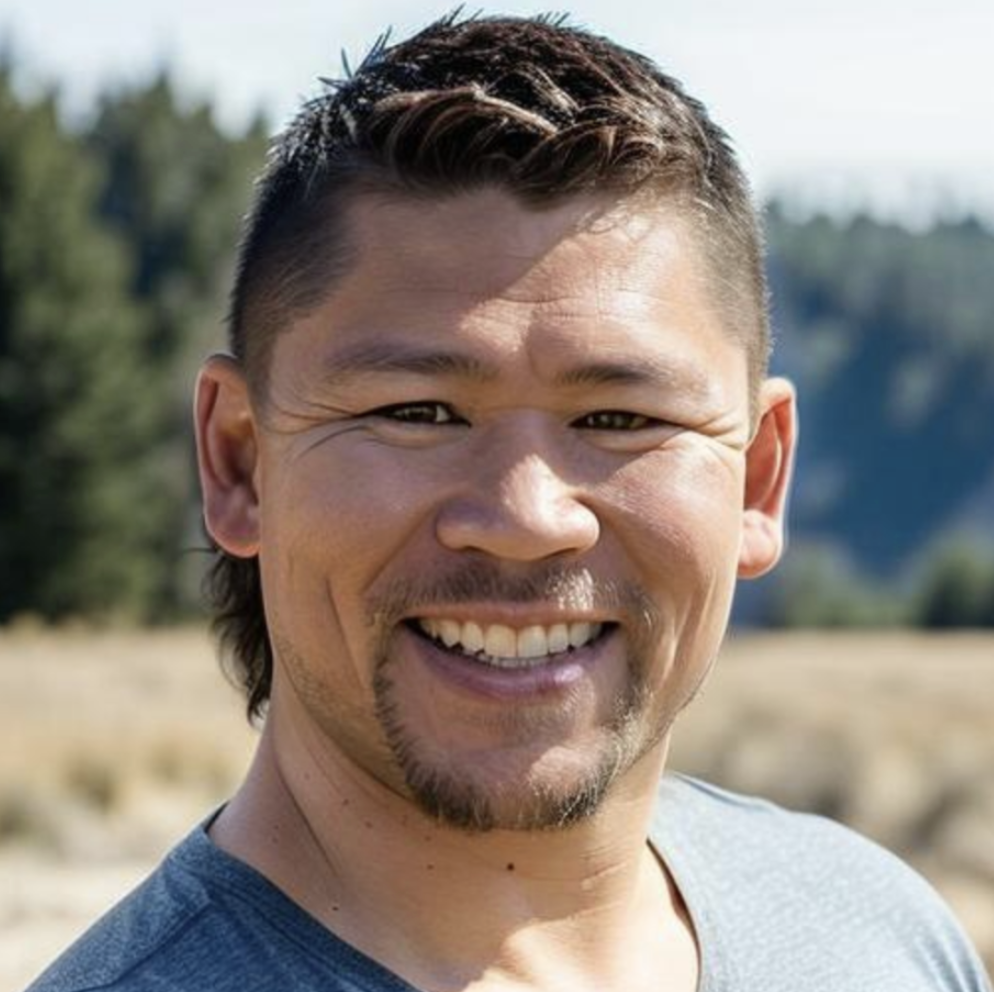
Business Buyer | Owner Coach
I've spent 25+ years building and scaling businesses - three VC-funded startups through acquisition, including CARMERA which sold to Toyota. My sweet spot is helping founder-dependent businesses break through growth ceilings or transition out entirely while keeping employees and culture intact. I'm not your typical coach - in fact my primary focus is buying businesses, which means I think like an owner, not an advisor selling billable hours.
My background is unconventional: a decade in hospitality management (everything from Five Diamond hotels to neighborhood spots) taught me how to run tight operations and keep people engaged, then I took those lessons into tech scaling. At Vitu, I integrated 1,100 new employees post-acquisition with 98% retention. That's the kind of work I do - building systems that actually stick and treating people like humans, not resources.
Private Equity and other buyers seek a quick flip/exit. I buy local businesses to preserve what the founder built, not strip it for parts. And when I advise, I help owners who are either stuck or running on fumes and need a way out that doesn't destroy what they've created. Straight talk, fast decisions, and solutions that work in the real world - not some consultant's slide deck.